
Unbiased headlines. Facts, not spin.
Every story is an unbiased news briefing written from 110+ sources across the spectrum — sources linked so you can verify it yourself.
 tech
Major Story (7/10)
August 12, 2026 at 12:00 AM
tech
Major Story (7/10)
August 12, 2026 at 12:00 AM
Microsoft Is Booking 300,000+ Custom AI Chips From TSMC to Cut Its Nvidia Bill
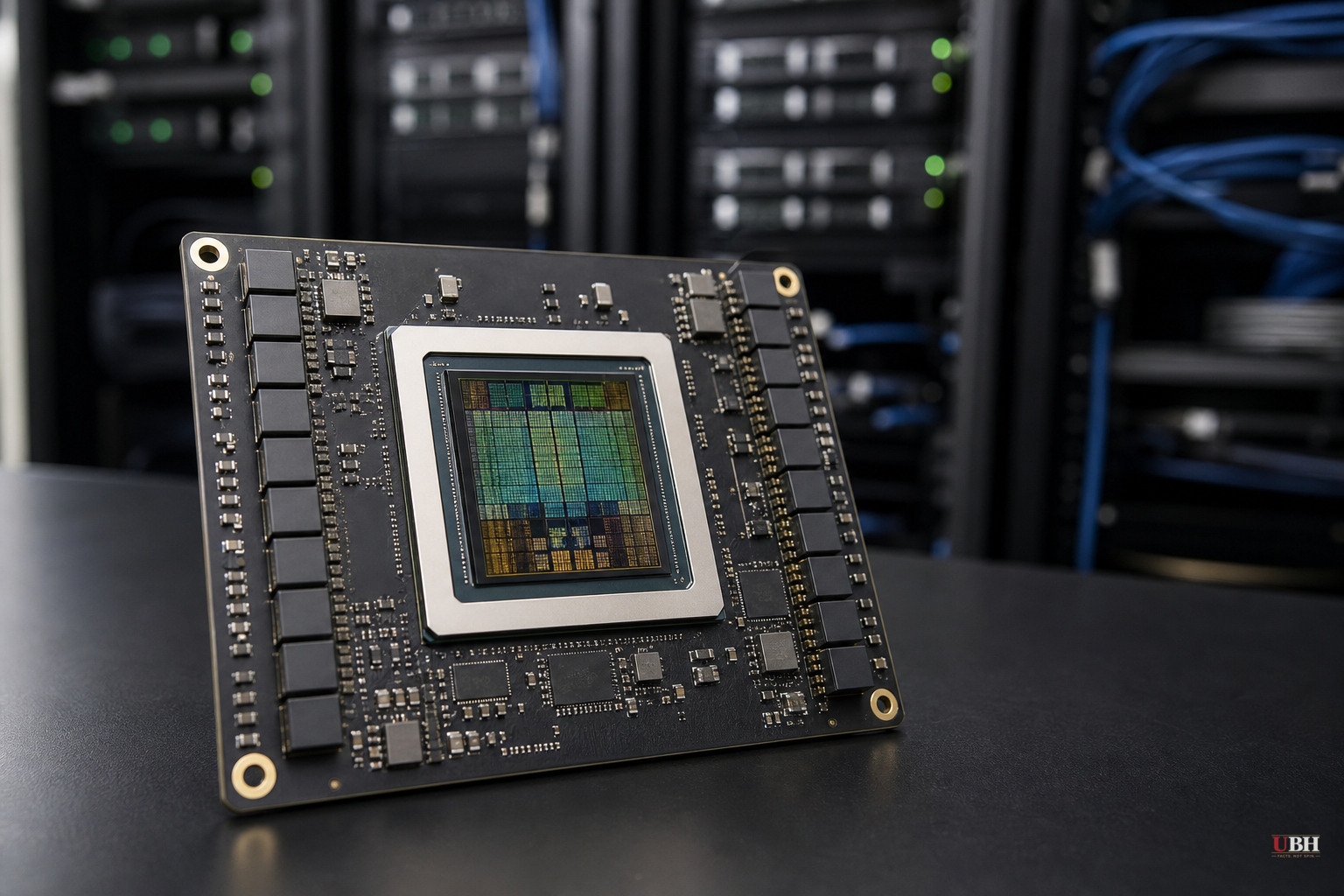
Microsoft is in talks with Taiwan Semiconductor Manufacturing Co. to secure production capacity for more than 300,000 of its next-generation Maia 300 AI chips in 2027, according to The Information, which cited a person with direct knowledge of the discussions. The company reportedly plans to unveil the chip this fall.
Microsoft has produced only tens of thousands of its current-generation Maia 200 chip, and as of late July those accelerators were running in just two U.S. data centers, according to The Information. Andrew Wall, general manager for Azure Maia, declined to confirm specific production numbers when asked by The Information, saying the reported figures didn't reflect the scale of Microsoft's program. Wall said Microsoft expects Maia deployments to eventually support AI demand measured in gigawatts. He gave no chip count or timeline to back that up.
Microsoft has told investors the Maia 200 costs 30% to 40% less to operate than Nvidia's top-tier chips for running OpenAI and Microsoft's own models, according to Crypto Briefing and Stocktwits. Nvidia's high-end chips run above $30,000 a unit. Analysts cited by Crypto Briefing put total cost of ownership savings at 20% to 30% versus Nvidia GPUs for inference workloads specifically, the phase where a trained model actually answers a query rather than the far more compute-intensive training phase.
Microsoft rolled out the Maia 200 in January, built on TSMC's 3-nanometer process with 216 gigabytes of HBM3e memory and support for lower-precision FP4 and FP8 math, useful for running inference cheaply. The chip is already powering GPT-5.2 workloads and Microsoft's internal MAI models, according to Crypto Briefing. But runtimewire reported the rollout was delayed after early tests missed Microsoft's internal performance targets, and Microsoft remains the only known user of the chip. No outside company has adopted Maia 200.
Microsoft wants outside cloud customers, not just its own workloads, running on the chip. Anthropic is the name that keeps coming up. Microsoft has held talks with Anthropic about using Maia, according to The Information's reporting relayed by runtimewire, and landing that deal would be the external validation Maia 200 never got.
Amazon says nearly 1 million of its Trainium2 chips are already training and serving Anthropic's Claude models through a project called Rainier. Alphabet has told investors Anthropic plans to access up to 1 million Google TPUs. Google reportedly produces 3 million TPUs a year, according to BigGo Finance. Microsoft's custom silicon program, which started with the original Maia chip in November 2023, is younger and smaller than both.
Microsoft's ambitions go beyond the 300,000-chip figure. The company ultimately wants capacity for more than 1 million Maia chips, according to multiple reports including thenextweb and Stocktwits, though component supply constraints and the ongoing TSMC negotiations could limit how much of that actually gets built. TSMC's advanced packaging capacity is tight through 2027. This constrains how fast any of the major cloud players can scale custom silicon.
Azure and other cloud-services revenue jumped 40% year over year in Microsoft's fiscal third quarter, with Microsoft Cloud revenue hitting $54.5 billion, according to figures reported by TradingView. Feeding that growth with Nvidia GPUs alone is expensive, and Nvidia's supply has been chronically tight industry-wide. thenextweb also reported that Microsoft recently told employees to stop what it internally called "tokenmaxxing" and set division-level AI budgets, a sign compute costs are pinching even a company spending $35.8 billion a quarter on infrastructure.
Nvidia's CUDA software ecosystem and general-purpose flexibility still make its GPUs the default choice for training new models and for customers who need hardware that handles varied workloads, not just narrowly optimized inference. Custom chips like Maia are built to excel at specific, well-defined tasks. They are not a drop-in replacement for the full range of what Nvidia GPUs do. Microsoft's own strategy remains a mix of Maia, Nvidia and AMD silicon rather than an all-in bet on homegrown chips.
TSMC capacity is contested by every major chip buyer right now, and Microsoft's track record with Maia 200, delayed rollout, missed internal targets, zero outside customers, gives reason for skepticism about a September unveiling turning into a real 2027 production ramp. Whether Anthropic signs on, and whether TSMC actually grants the capacity Microsoft is asking for, will determine if Maia 300 becomes a genuine Nvidia alternative or another expensive science project.
Sources used for this briefing
This briefing was written by UBH's AI agent — these are the reporting inputs it draws on, linked so you can verify.


