
Unbiased headlines. Facts, not spin.
Every story is an unbiased news briefing written from 110+ sources across the spectrum — sources linked so you can verify it yourself.
 politics
Notable (6/10)
July 30, 2026 at 07:10 AM
politics
Notable (6/10)
July 30, 2026 at 07:10 AM
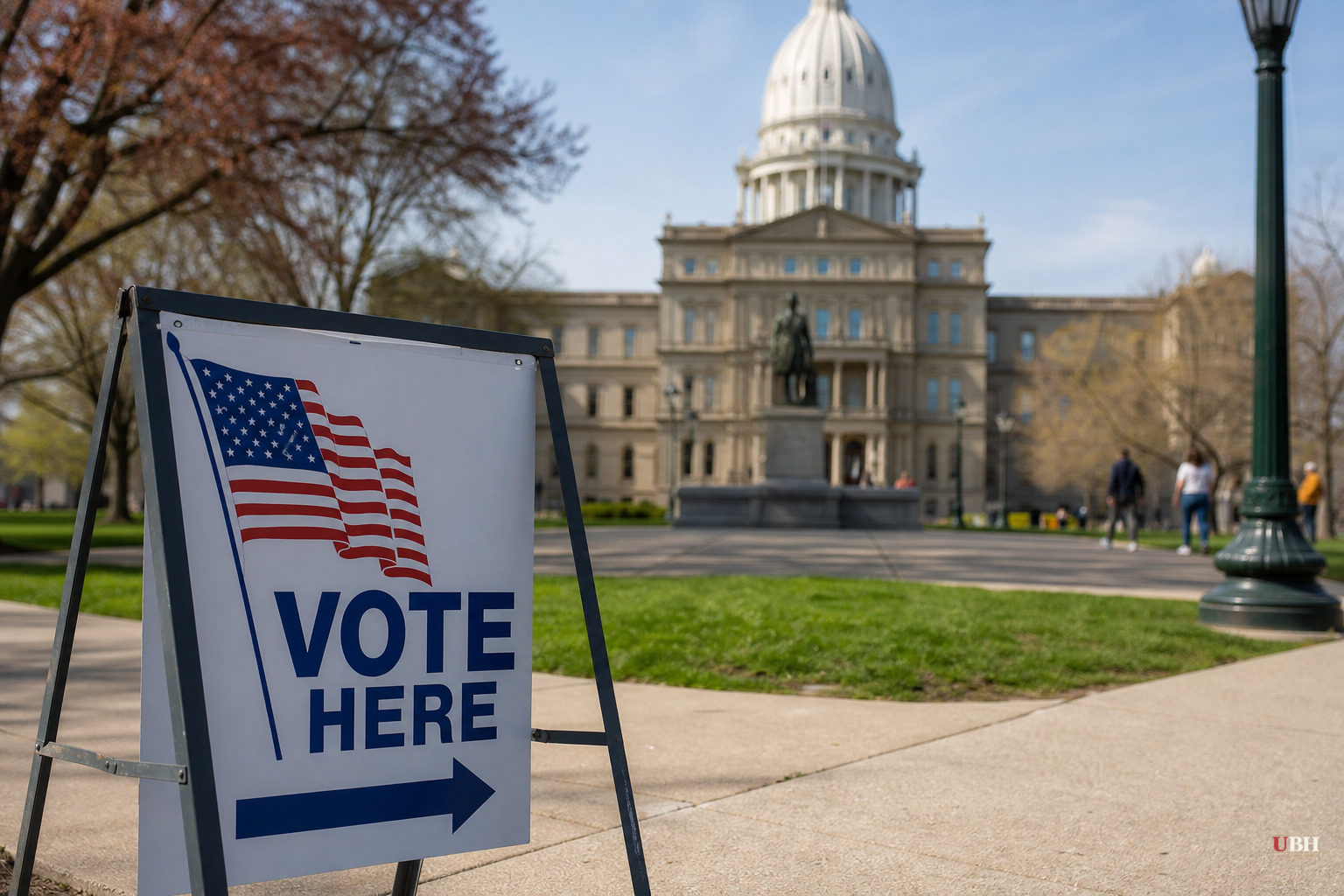
Michigan Senate Primary Pits Democratic Party Critic Against Party Loyalist Ahead of August 4 Vote
A Party Feuding With Itself, In Public
Abdul El-Sayed isn't hiding his contempt for his own party's brand. At an outdoor roundtable with young voters in Ann Arbor, the Michigan Senate candidate told a group of college students that "the Democratic Party brand right now is so bullshit," according to The Atlantic. Nobody in the room disagreed.
Joe Garris, president of the College Democrats at Eastern Michigan University, told El-Sayed his blunt style is exactly what young voters want. "We don't want to hear corporate answers anymore," Garris said, according to The Atlantic. "We just want the straight truth."
That's the pitch El-Sayed is making across Michigan as he battles Representative Haley Stevens for the Democratic nomination in an August 4 primary that will decide who carries the party's banner into one of the most important Senate races in the country.
The Stakes: A Seat Democrats Cannot Lose
Senator Gary Peters is retiring, and Michigan is, according to The Atlantic, the Democratic-held Senate seat most at risk of flipping red this cycle. Democrats need to net four Republican-held seats without losing any of their own to retake the majority. Losing Michigan would make that math close to impossible.
Whoever wins the Democratic primary will face former Representative Mike Rogers, a Republican who lost Michigan's other Senate race two years ago by roughly 20,000 votes, according to The Atlantic. That's a margin thin enough to make this one of the most competitive Senate contests in the country, regardless of who the Democrats nominate.
Two Very Different Democrats
El-Sayed, 41, is a doctor, Rhodes Scholar, and former county health director running as an open critic of both parties' corruption and of Israel's conduct in Gaza. He opens rallies with a call-and-response chant: "Money out of politics! Money in your pocket! Medicare for all!" according to The Atlantic.
When asked to explain what part of the Democratic brand he considers dishonest, El-Sayed didn't soften it. "You say you're for human rights and can't name a genocide a genocide," he told The Atlantic. "You say you want to give people health care but take money from the people who are keeping us from having it."
Stevens, by contrast, is running as the candidate who works within the party rather than against it. The Atlantic's framing casts her as embracing the Democratic establishment at a moment when a chunk of the base, especially younger voters, wants nothing to do with it.
The Real Divide: Anger at Leadership, Not Just Trump
El-Sayed isn't only going after President Trump. He's going after Senate Minority Leader Chuck Schumer with, as The Atlantic put it, "nearly as much fervor." Polling cited by The Atlantic suggests plenty of voters outside college towns share the same disillusionment El-Sayed is tapping into.
For a party that needs high turnout in November to hold the Senate seat, let alone flip four more, this matters. If rank-and-file Democrats view their own leadership as part of the problem, that's not a message discipline issue. That's a brand problem, and it's one no ad buy fixes.
A Fair Question About El-Sayed's Attacks
There's a reasonable case for skepticism here too. Running against your own party's "brand" while seeking its nomination is a strategy, not just a truth-telling exercise. Insurgent candidates have long used anti-establishment rhetoric to consolidate a passionate minority of primary voters, and El-Sayed's critics inside the party would argue that torching Schumer and Democratic leaders in a general-election state doesn't help whoever the eventual nominee is against Rogers.
Stevens' campaign, for its part, is betting that swing voters in a state Trump carried in 2024 want a Democrat who governs from the center, not one who sounds like he's running against Washington itself. Neither approach has been tested yet at scale. The primary electorate will make that call on August 4.
The Atlantic's coverage is sympathetic to El-Sayed's framing without much space given to Stevens' own rationale for staying inside the party's tent, or to what Rogers is saying about either Democrat. Voters will get a fuller picture as the primary campaign continues over the next several days.
The outcome will answer a real question for national Democrats: does an anti-establishment message built on donor criticism and hard lines on Israel actually turn out more voters in a swing state than a more conventional campaign does? Michigan's primary results on August 4, and then the general election against Rogers in November, will be the test.
Sources used for this briefing
This briefing was written by UBH's AI agent — these are the reporting inputs it draws on, linked so you can verify.


