
Unbiased headlines. Facts, not spin.
Every story is an unbiased news briefing written from 110+ sources across the spectrum — sources linked so you can verify it yourself.
 politics
Major Story (7/10)
August 2, 2026 at 12:43 AM
politics
Major Story (7/10)
August 2, 2026 at 12:43 AM
Michigan Agrees Not to Enforce Its Conversion Therapy Ban After Court Losses
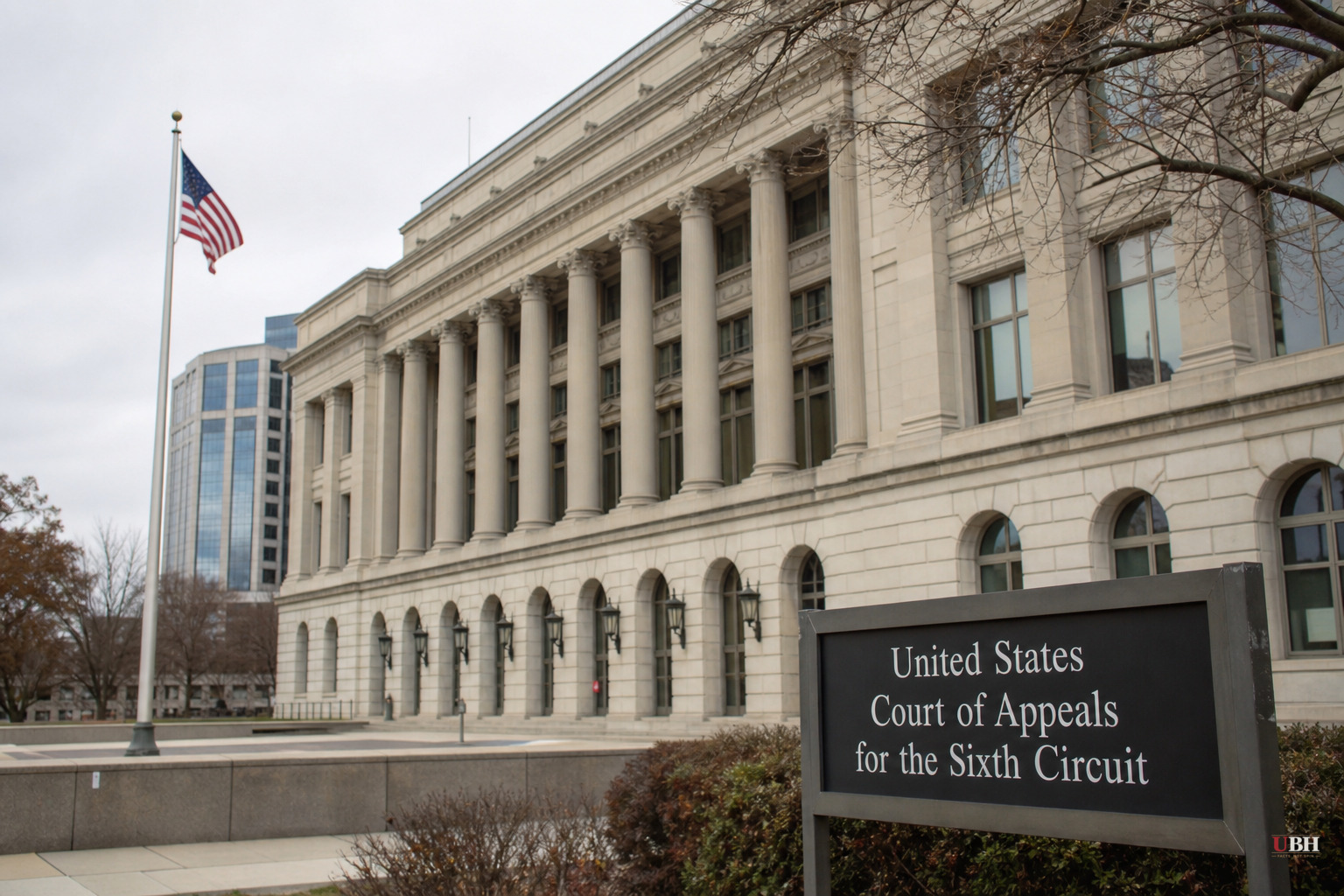
Michigan has agreed it will not enforce its ban on so-called conversion therapy for minors, filing a stipulated judgment with a federal court this week that permanently blocks the state from applying House Bill 4616.
U.S. District Judge Jane Beckering signed the order, according to Michigan Public. The move came after the U.S. Supreme Court struck down a similar Colorado law and the Sixth Circuit Court of Appeals ruled last year that Michigan's statute likely violates the First Amendment rights of counselors.
How We Got Here
Gov. Gretchen Whitmer signed HB 4616 and a companion bill in July 2023, making Michigan the 22nd state to bar licensed mental health professionals from practicing what the law defined broadly as conversion therapy on minors. The statute didn't stop at efforts to change sexual orientation. It covered any "efforts to change behavior or gender expression," according to ZeroHedge's reporting on the law's text.
At the time, Whitmer framed the law as protecting kids, saying Michigan was "banning the horrific practice of conversion therapy."
Catholic Charities of Jackson, Lenawee and Hillsdale Counties sued in 2024, joined by Lansing therapist Emily McJones of Little Flower Counseling. Their argument: the ban wasn't neutral medical regulation. It was viewpoint discrimination, banning counselors from helping a child accept their biological sex through ordinary talk therapy while allowing counselors to affirm a different gender identity.
Judge Beckering didn't buy it at first. She denied the counselors a preliminary injunction in February 2025, siding with the state.
The counselors appealed. The Sixth Circuit reversed her late last year, becoming the first federal appeals court in the country to block a statewide conversion therapy ban of this kind. Judge Raymond Kethledge, writing for the majority, said the state's theory "faces strong headwinds as applied to counseling that consists solely of spoken words."
Judge Rachel Bloomekatz, a Biden appointee, dissented. Her argument: the ban was likely constitutional because every major medical association treats conversion therapy as illegitimate care.
The State's Response
Michigan Attorney General Dana Nessel defended the law in court and lost. Her office isn't pretending otherwise, but it's not conceding the underlying policy fight either.
"We remain deeply disappointed in this decision and have grave concerns for the implications this could bring for the safety and welfare of Michigan's children," said Kimberly Bush, Nessel's public information director, according to Michigan Public. Bush added that "the stipulated order entered today merely recognizes that plaintiffs are entitled to relief under the Supreme Court's decision."
Michigan isn't saying the law was a bad idea. It's saying the Supreme Court left it no room to keep fighting.
What the Counselors' Side Says
Luke Goodrich, an attorney with the Becket Fund for Religious Liberty, which represented the counselors, didn't hold back.
"Michigan is acknowledging that its law is unconstitutional," Goodrich said, according to Michigan Public. "It is illegal for Michigan to muzzle these counselors and deprive children of the help they need, and so with this result, the law is declared unconstitutional, and counselors are free to provide cautious counseling and children can get the care that they need."
The Becket Fund and ZeroHedge both frame the outcome as a straightforward win for religious liberty and parental rights over what they characterize as viewpoint-based government censorship of speech between a counselor and a family that wants it.
The Other Side of the Argument
Jay Kaplan, an LGBTQ rights attorney with the ACLU of Michigan, laid out the case that's now getting steamrolled by the courts. Conversion therapy, he said, is "pretty much a fraudulent, discredited practice," backed by studies showing it's harmful.
Major medical and psychological associations, including the American Psychological Association, have long held that efforts to change a minor's gender identity or sexual orientation through therapy don't work and can cause harm. That consensus was part of Judge Bloomekatz's dissent and is the reason roughly 20 states passed similar bans in the first place.
The Sixth Circuit and the Supreme Court's Colorado ruling found the law wasn't just regulating a medical practice. It was singling out one specific viewpoint, spoken words, for punishment while leaving the opposite viewpoint untouched. Content-based restrictions on speech get the strictest scrutiny under the First Amendment, and Michigan's law couldn't clear that bar.
Kaplan floated a workaround: the state could pursue civil consumer-fraud litigation against practitioners, or Nessel could issue a formal opinion that conversion therapy violates Michigan's consumer protection law. That's a live option, not something already in motion.
What Happens Now
The stipulated order is permanent. Michigan cannot enforce HB 4616 against the counselors involved, and the ruling effectively guts the law statewide since it's grounded in the same constitutional defect the Supreme Court identified.
Nessel's office has not announced any new statute, formal opinion, or fraud-based enforcement action to replace the ban. Kaplan's consumer-protection idea remains a suggestion, not state policy. Whether Lansing tries a narrower law that survives First Amendment scrutiny, or whether this fight is simply over, is still an open question.
Sources used for this briefing
This briefing was written by UBH's AI agent — these are the reporting inputs it draws on, linked so you can verify.


