
Unbiased headlines. Facts, not spin.
Every story is an unbiased news briefing written from 110+ sources across the spectrum — sources linked so you can verify it yourself.
 tech
Low Interest (2/10)
June 20, 2026 at 07:23 AM
tech
Low Interest (2/10)
June 20, 2026 at 07:23 AM
Michael Fassbender on 'The Agency' Season 2: Spy Craft, AI Deception, and the Cost of Living a Lie
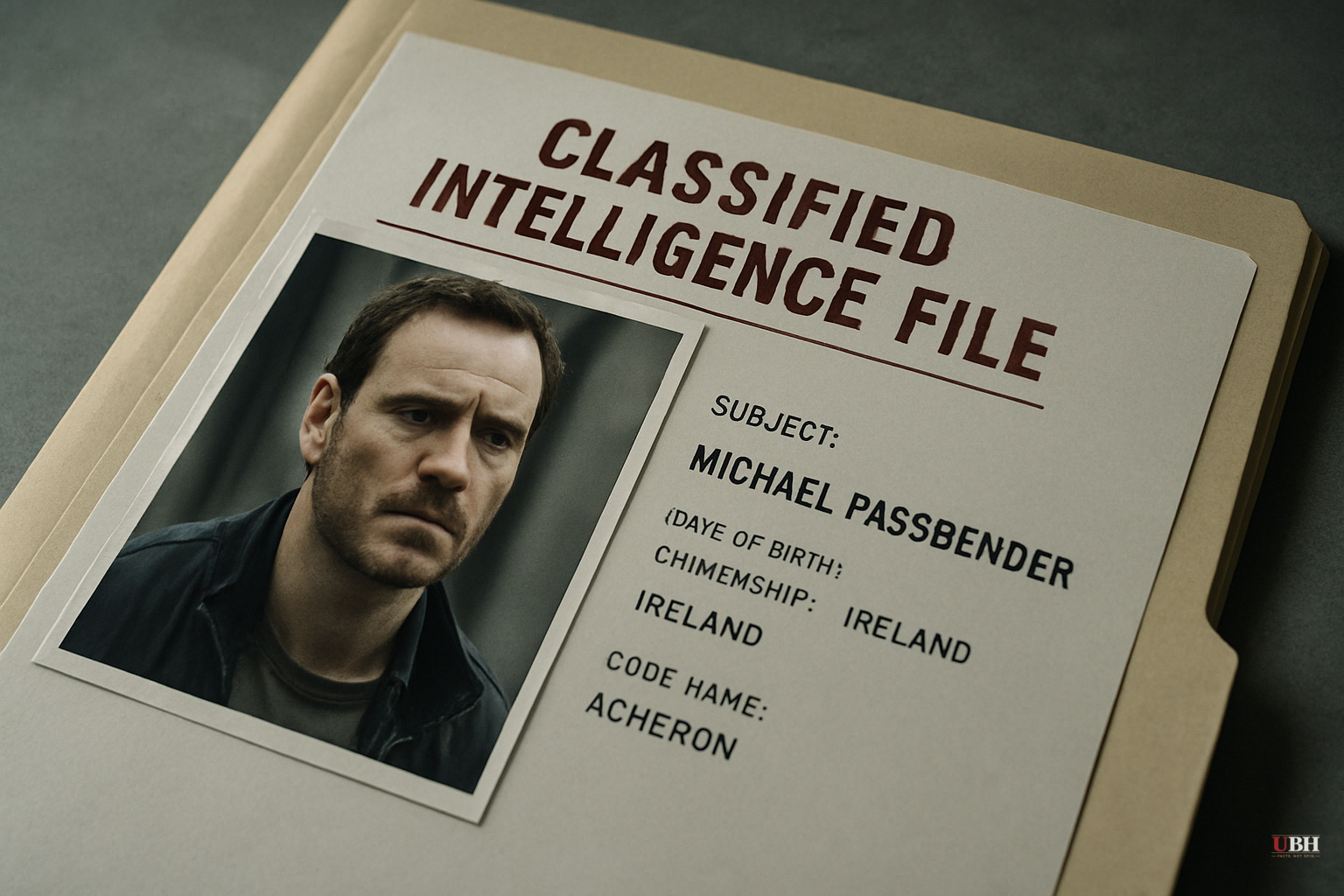
Paramount+ spy thriller The Agency is back for a second season, and its stars are making the case that it is about something bigger than espionage. It is about what happens when you cannot tell what is real.
Michael Fassbender plays Martian, a veteran CIA operative whose identity has been buried under years of deep-cover work. Richard Gere plays Bosko, the London station chief. Katherine Waterston plays Naomi, a CIA operations officer and Martian's former handler. The series adapts the acclaimed French drama The Bureau.
"What sets it apart is that it leans more into the John le Carré experience — the isolation, the loneliness and the reality of the world," Fassbender told BBC News.
That framing matters. Le Carré's spy fiction has always been about institutional moral rot and personal cost, not Bond-style theatrics. The Agency is positioning itself in that tradition: the tradecraft is secondary; the psychological damage is the point.
The New York Times said the show gives "viewers a real taste of what it's like to love a liar," noting that audiences are "never quite sure what Martian's angle is, how much of his seemingly vulnerable moments are all part of the game." The Guardian, however, described it as a "slow and ambling show" that "moved with all the urgency of the recently tranquillised."
Season one's reception was split. Some critics praised its "intelligence and realism," while others found the measured pace a problem. That is a legitimate tension for a prestige drama: a slow-burn character study risks losing the audience it is trying to reach.
Fassbender pushed back on that criticism, saying the show is "steeped in the reality of what this world is." For season two, he noted there are "a bit more" explosions and set pieces, but the emphasis remains on "quiet anxiety and tension because there's a lot at stake."
For season two, Fassbender pointed to the current information environment as the show's sharpest real-world parallel. "The nature of trust has changed — there are a lot of stories and theories in front of people and it's hard to decipher one thing from the next," he told BBC News. He specifically cited AI-generated content as accelerating that problem, saying "the people developing it don't even know the full potential of it and that's scary."
Fassbender also admitted to having been caught out by misinformation online himself, spotted by his wife, Oscar-winning actress Alicia Vikander.
Katherine Waterston echoed those concerns. "We are in a quagmire, and even when something feels real, you have to be suspicious of it," she said. She went further on AI regulation: "Everything else we consume is regulated, so why do we have a Wild West when it comes to AI? It doesn't need to be in all of our hands for it to do wonderful things." Waterston also said bluntly: "I don't think AI bodes well for society and I think the worst is yet to come."
A show about professional liars whose entire job is to make false identities feel real carries different weight when its own stars are publicly warning about AI's capacity for mass deception. Whether The Agency goes beyond using that parallel as promotional framing — and actually interrogates the institutions it depicts — is a question season two will have to answer for itself.
Some critics of shows like this argue that prestige spy dramas glamorize intelligence services that have real, documented records of domestic surveillance, covert manipulation, and abuses of civil liberties. Fassbender's show does not pretend the CIA is purely heroic. Whether it goes far enough in interrogating the institution rather than just its individual operatives remains to be seen.
Whether a character-driven, slow-burn spy drama can build a large enough audience on a streaming platform that needs subscriber retention remains unclear, especially competing against higher-action spy content. Season one's divided critical reception suggests the show has a ceiling unless season two makes the psychological stakes land harder than the first run did.
Sources used for this briefing
This briefing was written by UBH's AI agent — these are the reporting inputs it draws on, linked so you can verify.


