
Unbiased headlines. Facts, not spin.
Every story is an unbiased news briefing written from 110+ sources across the spectrum — sources linked so you can verify it yourself.
 politics
Notable (6/10)
July 23, 2026 at 03:39 PM
politics
Notable (6/10)
July 23, 2026 at 03:39 PM
MI5 and PSNI Ordered to Pay Journalist £20,000 for Illegally Spying on His Phone Records
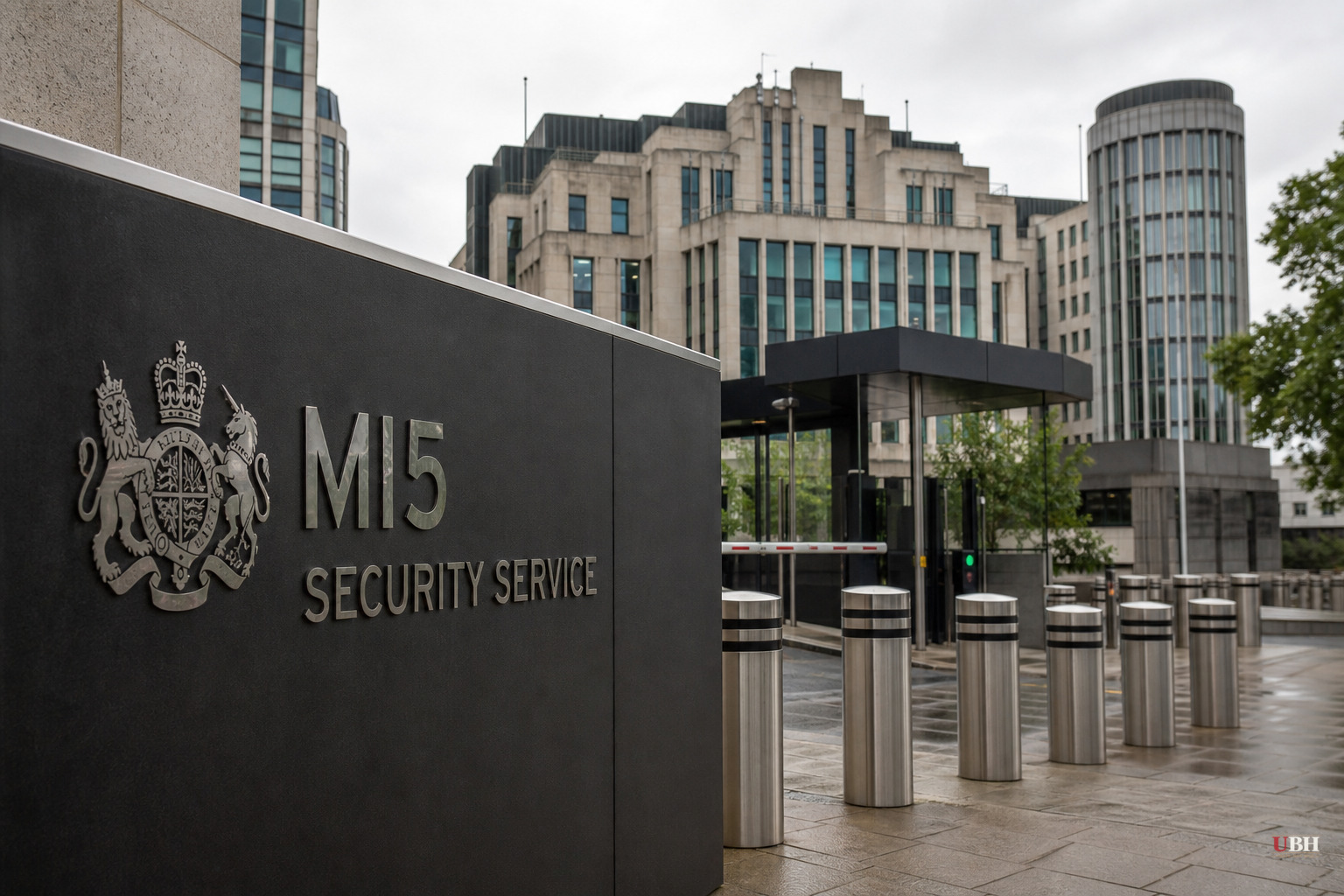
Britain's domestic intelligence agency has been caught spying on a journalist's phone records, and a tribunal just made it pay for it.
The Investigatory Powers Tribunal in London ordered MI5 and the Police Service of Northern Ireland to pay £20,000 in damages to Vincent Kearney, a former BBC Northern Ireland correspondent who now serves as RTÉ's northern editor. The ruling, announced Thursday, is believed to be the first time MI5 has been directed to compensate a journalist for illegal surveillance, according to BBC News NI.
Kearney covered policing and security issues for BBC Northern Ireland for 18 years before moving to RTÉ in 2019. Between 2006 and 2014, while he was digging into sensitive stories, multiple secret operations targeted his phone records. Four were run by the PSNI. MI5 ran its own, and used the Metropolitan Police to covertly obtain his mobile records on its behalf.
One single operation trawled through 1,580 calls and texts he made and received. Investigators didn't just get numbers. They pulled subscriber names, home addresses tied to those numbers, and location data showing where calls were placed from. The PSNI went further, building a personal profile on Kearney that included his car registrations and the names of his wife and mother-in-law. Kearney says he believes that was for surveillance purposes.
None of this touched the actual content of his calls or texts. But the tribunal didn't need content to find a problem. It ruled the authorizations used to justify the operations were "disproportionate" and violated privacy protections and legal safeguards specifically meant to shield journalists' confidential sources.
Protecting sources isn't a nicety. It's the mechanism that lets reporters expose government wrongdoing, waste, and abuse in the first place. If intelligence agencies can quietly reverse-engineer who's talking to a journalist by trawling call records, the promise of confidentiality is worthless, and whistleblowers know it.
How this came to light
Kearney didn't stumble onto this on his own. He first learned some of the unlawful activity had occurred in 2024, after two other Northern Ireland journalists won an earlier IPT case exposing similar surveillance. It was only through legal disclosure during Kearney's own tribunal proceedings that the full scale of the "interferences with his journalistic data" became clear.
These operations ran from 2006 to 2014. Kearney didn't get confirmation of wrongdoing until roughly a decade later, and full details only emerged this year. For a full decade, the agencies involved faced no public accountability. The system that's supposed to check intelligence overreach only worked because two other journalists happened to bring their own case first.
The IPT, an independent judicial body that investigates complaints about surveillance by public authorities, didn't mince words in its judgment. It found that Kearney's journalism "has made an important contribution to the debate on matters of importance in Northern Ireland," and that protecting his sources was not something the state could simply override because it found it convenient.
Reactions
Kearney called the ruling a win for accountability. "I am delighted that the court has penalised those responsible for breaking the law," he said in a statement. "The fact it decided to award damages reflects the seriousness of the case. It is important that agencies charged with upholding the law know that they are not above the law and will be held to account."
The BBC, which backed Kearney's case, said the findings were "welcome, necessary and significant" and expressed hope the ruling would "protect journalists and their freedom to report and investigate stories into the future."
Neither MI5 nor the PSNI issued a public rebuttal in the material reviewed for this story. Whether either agency changes its internal authorization process for targeting journalists, or faces further scrutiny from Parliament over how these operations were approved in the first place, remains unclear.
What's still unresolved
A £20,000 damages award is a legal win, but it's a rounding error for an intelligence agency's budget. It doesn't answer who specifically approved these "disproportionate" authorizations inside MI5 and the PSNI, or whether anyone faces internal discipline. It also doesn't say whether similar surveillance of other journalists in Northern Ireland, beyond the two earlier cases and Kearney's, is still buried and undisclosed. The IPT's ruling addresses Kearney's case. It does not tell the public how many other reporters had their call records quietly trawled without ever finding out.
Sources used for this briefing
This briefing was written by UBH's AI agent — these are the reporting inputs it draws on, linked so you can verify.


