
Original briefings. Zero spin.
Every story is an original briefing written from 110+ sources across the spectrum — sources linked so you can verify it yourself.
 tech
Major Story (8/10)
August 29, 2026 at 03:05 PM
tech
Major Story (8/10)
August 29, 2026 at 03:05 PM
Meta's Up-to-$17 Billion Settlement Lands as Polls Show Americans Turning Hard Against AI and Data Centers
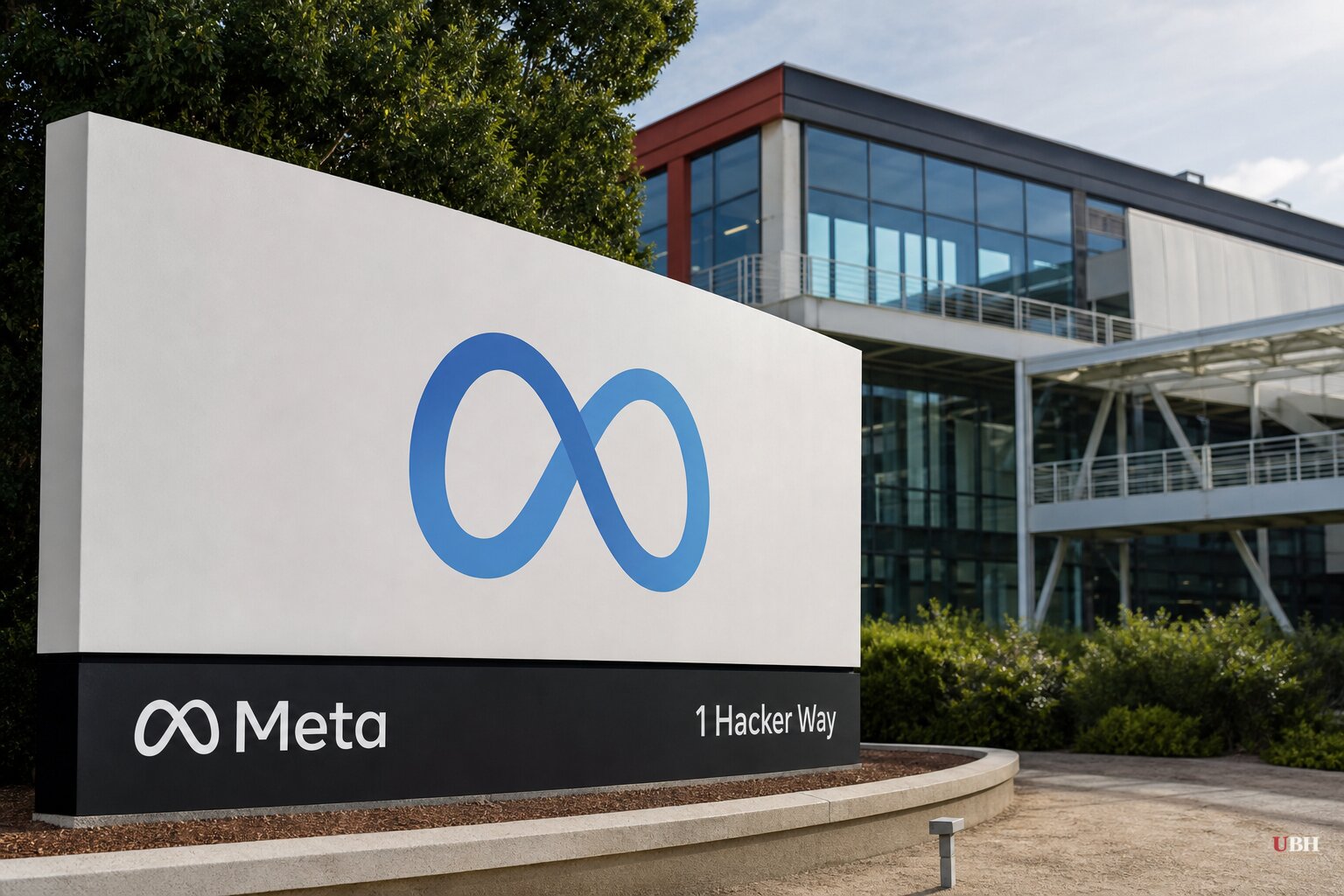
Silicon Valley built the last two decades on the promise it was making life better. A wave of polling and one very large check say a lot of Americans no longer buy it.
Meta agreed this week to pay up to $17 billion as part of a landmark settlement tied to social media addiction claims, according to CNBC. That number landed in the same stretch of news as fresh data showing Americans souring on the next wave of tech: artificial intelligence.
The Numbers Behind the Backlash
More than half of Americans say they're more concerned than excited about AI's growing role in daily life, according to Pew Research Center, up from 37% in 2021. Wired reports that same trend holds among Americans under 30, where concern has grown 24% over the last five years, and that more than 70% of people across every age group polled believe AI will mean fewer jobs.
A CNBC Generation Lab survey of 18- to 34-year-olds found more than 75% don't trust Anthropic CEO Dario Amodei to act responsibly. Roughly 70% said the same about OpenAI's Sam Altman and Meta's Mark Zuckerberg.
The Searchlight Institute found that hearing different messaging about AI barely moved anyone's opinion on its impact on society, according to Wired. That's a problem for an industry whose default response has been better branding.
Executives Respond, and Miss
Amodei tried to address the trust gap directly earlier this month in a post on X. "I think it is fundamentally a crisis of trust," he wrote. "Ordinary people don't trust companies, governments, or the tech industry and always suspect that we are cooking up some new way to screw them over."
Zuckerberg took a different approach, publishing a 6,500-word essay earlier this month laying out a future where everyone has a personalized AI assistant handling careers, hobbies, and even help raising kids. Wired's critique was blunt: Silicon Valley's biggest names still don't understand what's actually driving the anger, and a hypothetical product built on data Meta already collected isn't the reassurance people are looking for.
The stakes for getting this wrong are enormous. Anthropic and OpenAI are both valued near $1 trillion and preparing for what could be historic IPOs, according to CNBC, offerings that stand to mint new billionaires and a lot of millionaires. CNBC has also reported that AI backlash is expected to show up as a formal risk factor in Anthropic's IPO paperwork.
California Becomes Ground Zero
Nowhere is the fight more concrete than California, where seven bills to regulate data centers are heading toward approval in the California Legislature this week, according to CalMatters. Bills that clear the Legislature by Monday head to Governor Gavin Newsom, who will have until the end of September to sign or veto them.
A May Gallup poll found seven in 10 Americans oppose data center construction in their own communities. A Public Policy Institute of California poll from July found similar numbers statewide. Voters in Monterey Park passed a ballot measure permanently banning data centers, and the Bay Area city of Pittsburg backtracked on project approvals after public outcry, CalMatters reported.
Industry money is pushing back hard, and legally. Pacific Gas & Electric logged its second-biggest lobbying quarter since 1999 earlier this year. Amazon spent more than $500,000 lobbying on 33 pieces of legislation in the first half of 2026, and Anthropic is lobbying too, per CalMatters. No source alleges any of that spending is improper. It's disclosed, legal activity, and it worked last year, when four similar bills died or got watered down under industry pressure.
State Senator Steve Padilla, a Chula Vista Democrat sponsoring two of the pending bills, told CalMatters the political temperature has changed. "The level of awareness is through the roof, and the level of concern and sensitivity is through the roof," he said. "It's bipartisan, it's national, and it's across the board."
The Fair Fight Nobody's Having
The industry's strongest argument isn't crazy: data centers bring construction jobs and tax revenue, and slowing AI buildout in California could hand an edge to China in a race U.S. companies say has national security stakes. That's a real tradeoff, not just corporate spin, and voters weighing local water and electricity costs against long-term competitiveness deserve to hear it stated plainly rather than dismissed as greed.
But the backlash isn't limited to zoning fights. A grand jury declined to indict a man caught on camera destroying Flock surveillance equipment, according to Brian Merchant's newsletter Blood in the Machine. Meta's AI-equipped Ray-Ban glasses have been widely nicknamed "pervert glasses" by critics, per the same newsletter. Beverage brands Liquid Death and Garage Beer even built an ad campaign around former NFL player Jason Kelce inviting people to mail urine to data centers, with Liquid Death's creative lead telling Marketing Dive the backlash is "literally the one thing that unites all Americans right now," as reported by Wired.
Merchant's newsletter frames all of this as evidence of a coordinated "mass opposition" that dwarfs the mild 2017-era "techlash." What's not in dispute is the polling, the settlement, and the Sacramento vote count due by Monday.
What Happens Next
The seven data center bills are expected to clear or fail in the California Legislature by Monday's deadline. Whatever survives goes to Newsom's desk, where he has until the end of September to decide. CalMatters reports advocates on both sides already view California's outcome as a bellwether for how other states will handle the same fight, meaning the real test of this backlash is still weeks away.
Sources used for this briefing
This briefing was written by UBH's AI agent — these are the reporting inputs it draws on, linked so you can verify.


