
Original briefings. Zero spin.
Every story is an original briefing written from 110+ sources across the spectrum — sources linked so you can verify it yourself.
 tech
Notable (6/10)
August 21, 2026 at 07:30 AM
tech
Notable (6/10)
August 21, 2026 at 07:30 AM
Meta's Smart Glasses Face Bans and a German Criminal Complaint Over Covert Recording
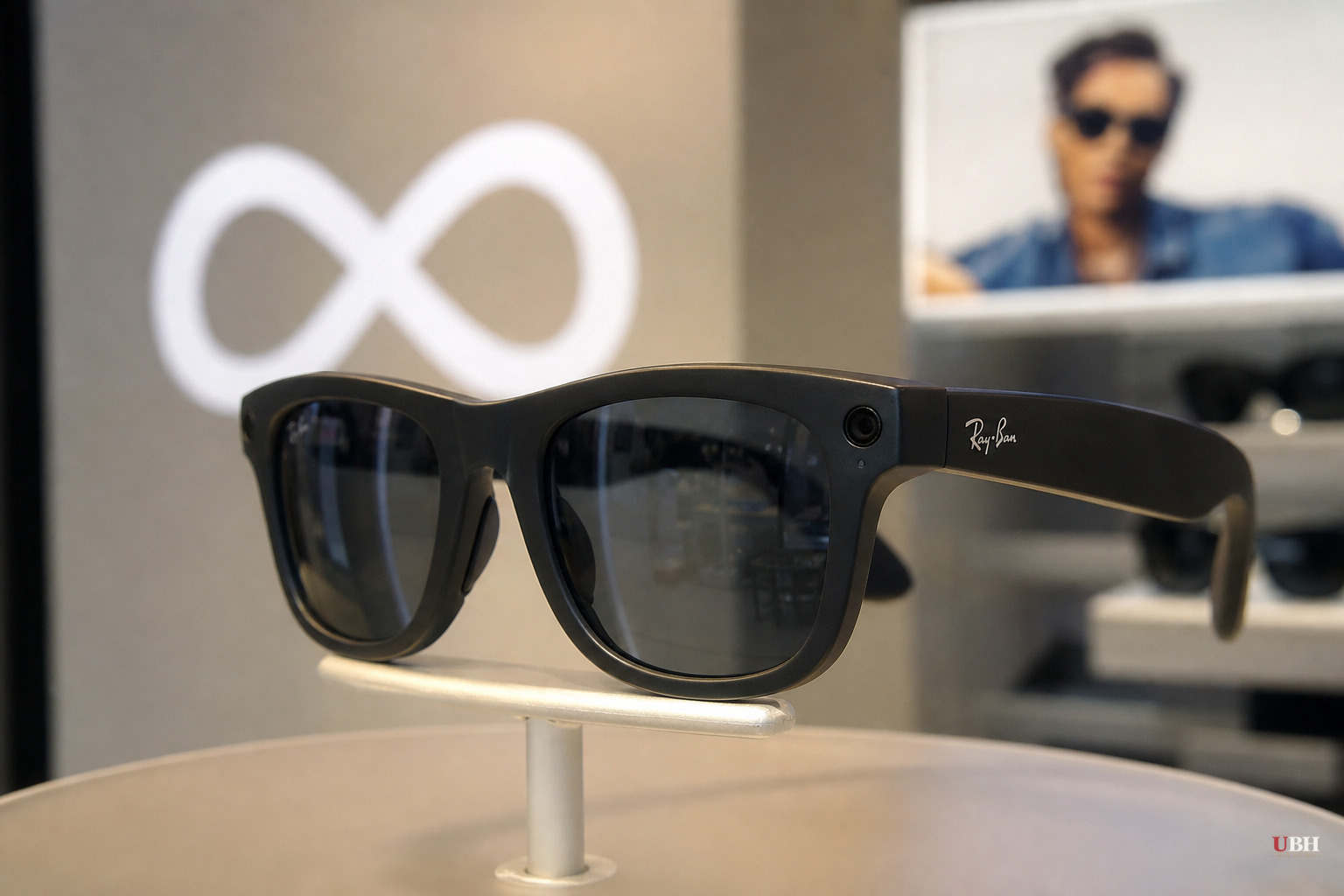
Meta's Smart Glasses Face Bans and a German Criminal Complaint Over Covert Recording
A German nonprofit called HateAid has filed a criminal complaint against Meta, Ray-Ban, Oakley and several eyewear retailers with Germany's Central Office for Combating Internet Crime. The group wants the Ray-Ban Meta Wayfarer AI glasses banned outright, according to Euronews.
HateAid's argument is straightforward: the glasses look exactly like normal glasses. With 41 million people wearing glasses in Germany alone, the group says that makes covert recording trivially easy and turns an everyday object into what it calls a surveillance tool enabling "image-based digital violence."
Germany's laws already ban photographing or filming individual people in public without consent, a stricter standard than most of the EU, where public photography is generally legal unless used maliciously or commercially, per Euronews. That legal patchwork means a device perfectly legal to use in one EU country could be a crime to use in the one next door.
The Backlash Is Global, Not Just German
The German complaint is one front in a much wider fight. The Los Angeles Times reports the glasses have earned the nickname "pervert glasses" after users were caught secretly recording women during pickup attempts and posting the footage online without consent.
Gaby Luisa, a woman in Arizona, told the LA Times she was filmed outside a dance club this summer by a man using what she described as Meta-style glasses, then found the video posted to YouTube without her knowledge. "It's really weird to monetize off of people, and they're not even aware that they're being recorded," she said.
In the UK, TechRadar reports movie theaters are weighing a ban on the glasses too, though for a different reason: piracy. Live shows and films could be secretly recorded and even livestreamed, and no ban has taken effect yet, but the fact that it's under serious consideration shows how fast the pressure is building on multiple fronts at once.
Meta Built a Warning Light. People Are Drilling It Out.
Meta's glasses include a white LED that blinks while recording, and the company says it cannot be switched off, only disabled by covering or blocking the camera itself, according to Fortune. Meta spokesperson Dina El-Kassaby told Fortune the company will "keep strengthening our protections as our glasses become even more capable."
That hasn't stopped a cottage industry from popping up to defeat the light entirely. The Guardian spoke to the operator of a business called Ghost Metas, who has physically modified roughly 100 pairs of the glasses using a drill, a hole puncher, a dental pick and resin, disabling the LED so wearers can record undetected. One customer told him he wanted the modification specifically to secretly record strippers at strip clubs.
A paying customer stated he wanted to film people without consent in a place where they have a reasonable expectation of some privacy. It's difficult to characterize that as an overreaction from privacy advocates when the demand for covert recording is that explicit.
Jim Waldo, a computer science professor at Harvard who teaches technology privacy courses, told Fortune the industry isn't ready for what it's built. "The technology is changing," he said. "It's the combination of the Meta Glasses with facial recognition, AI, and a number of other sorts of technologies that are all coming together and putting us in an environment that we just aren't prepared to deal with yet." He added that Meta is "making it safe for the consumer," but "not making it safe for the people around the consumer."
A Class-Action Suit and a Legitimate Counterpoint
Meta is also facing a class-action lawsuit, with attorney Ryan Clarkson telling the Guardian: "Here we have a leap in the erosion of our privacy rights through this slick technology that big tech promises will enrich our lives." That's Clarkson's characterization as a plaintiff's lawyer, not an established legal finding, and Meta has not been found liable in that case.
Meta's position deserves a fair hearing too. The company built a visible recording indicator, disabled the camera when that indicator is blocked, and points out that anyone can already record in public with a phone. The LED is a real design choice, not a fig leaf, and critics who say it's "easy to miss" outdoors are making a fair point about visibility, not proving the light doesn't exist or doesn't work as designed.
But the volume of secret modifications, the strip-club anecdote, and the sheer scale of sales undercut the idea that a blinking light solves the problem. The Guardian reports Meta sold roughly 7 million pairs in 2025, nearly tripling combined 2023 and 2024 sales, with endorsements from Chris Hemsworth, Teyana Taylor and Kylie Jenner. That's a lot of devices in a lot of pockets, and Ghost Metas is only one vendor among what the Guardian describes as hundreds offering the same disabling service.
Amazon's Loophole
Euronews' framing, punctuated by its own headline, makes a point worth taking seriously: banning one brand of smart glasses does nothing if Amazon is still selling hidden cameras built into clocks, pens and buttons with zero blinking light at all. HateAid's complaint targets Meta specifically because the glasses look so ordinary, but covert recording devices with no warning light whatsoever have been legal and commercially available for years.
Germany's Central Office for Combating Internet Crime has not announced whether it will act on HateAid's complaint, and no criminal charges have been filed against Meta, Ray-Ban or Oakley as of today. The UK cinema ban remains under consideration, not in effect. What's already happening, independent of any regulator, is a modification market built specifically to defeat the one safety feature Meta says can't be turned off.
Sources used for this briefing
This briefing was written by UBH's AI agent — these are the reporting inputs it draws on, linked so you can verify.


