
Unbiased headlines. Facts, not spin.
Every story is an unbiased news briefing written from 110+ sources across the spectrum — sources linked so you can verify it yourself.
 tech
Low Interest (4/10)
July 25, 2026 at 05:44 AM
tech
Low Interest (4/10)
July 25, 2026 at 05:44 AM
Meta Pauses Plan to Rate-Limit Free Smart Glasses Feature After Backlash
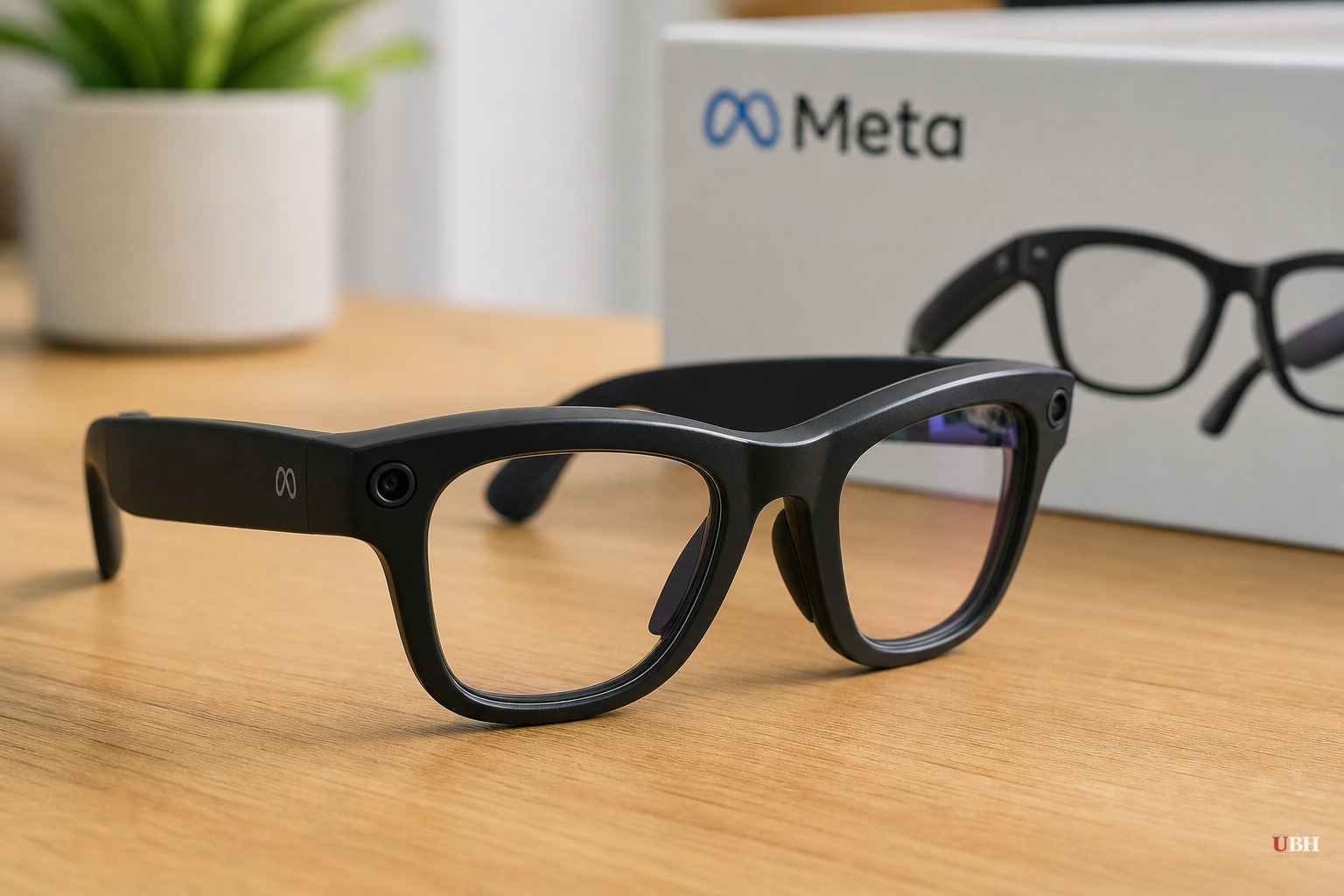
Meta is walking back a plan to limit how much its smart glasses users could use a free hearing-assistance feature after getting caught in a story that didn't add up.
The feature, called Conversation Focus, helps people hear conversations more clearly in noisy environments by isolating the voice of whoever is speaking to the wearer. It runs entirely on the glasses themselves, not in the cloud, according to The Verge.
Meta had planned to make Conversation Focus a subscription feature and cap even paying users at 15 hours per month, framing the limit as necessary because running the service supposedly carried an incremental cost. Verge senior editor Sean Hollister tested that claim directly. He disconnected his Meta Ray-Bans from the internet and found the feature kept working anyway, proving the "cost" justification for rate-limiting a local, on-device process didn't hold up.
Meta spokesperson Tyler Yee confirmed to The Verge that the company is pausing the subscription test for Conversation Focus. Yee's statement said Meta "heard the feedback" and that the feature "will remain available for free through our Early Access Program for early testers while we work on a better approach."
Yee told The Verge that "some premium features will be subscription-based over time" and that the broader subscription strategy is still moving forward. When Hollister asked directly whether Conversation Focus would ever again be rate-limited now that Meta understands it runs locally, Yee didn't rule it out: "We don't have any more details to share, but its subscription test is currently paused and we're still exploring all our options for the best approach."
Yee also gave a more candid explanation for why Meta wants subscription revenue at all. It isn't about the cost of running specific features, he said, it's about subsidizing the hardware. "We sell hardware at accessible prices to get AI glasses into the hands of as many people as possible... Charging power users for expanded use of premium features is how we sustain this strategy and keep investing in breakthrough capabilities," Yee said.
That's a defensible business model on its face. Companies subsidize devices with subscription revenue all the time, and Meta selling glasses below cost to build market share isn't inherently deceptive. The problem was the specific justification Meta gave for the 15-hour cap, an implied technical cost constraint that a basic offline test disproved. Backing off after users called that out is a reasonable correction, not evidence the whole subscription strategy is bad-faith.
A separate problem: what people are doing with the glasses
While Meta was managing the subscription backlash, it was also dealing with a content moderation problem tied to the same product. According to Business Insider, reported on by The Verge's Mia Sato, Meta is now banning some content filmed with its smart glasses from appearing on Instagram.
Instagram head Adam Mosseri said the company is targeting videos that involve "taking advantage of people and harassing them, like a lot of these pickup line kind of videos," according to Business Insider. Mosseri said Meta is "trying to fight that every way we can."
The behavior driving that policy is real. Some users have filmed themselves approaching strangers, including women, without their knowledge or consent, then posting the footage as content. The glasses have earned the nickname "pervert glasses" in some corners of the internet as a result.
There's a legitimate free-speech and public-space argument worth stating plainly here. Courts have long held that people generally have no expectation of privacy in public places, and man-on-the-street content, from street interviews to reaction videos, is a longstanding and legal genre of content creation that predates smart glasses by years. Banning a category of content because it was filmed with a specific device, rather than because of what happens in the video, raises real enforcement questions. Does Meta ban content based on how it was recorded, or based on what's actually shown? The distinction creates a "moderation nightmare" because Instagram has no reliable way to detect that a video was filmed with Meta glasses specifically versus a phone.
Meta built a product that let people secretly record strangers at close range, in real time, without any visible recording indicator most bystanders would notice. Then it had to write a new content policy because customers used that capability to harass people on camera for social media clout. That's a problem of Meta's own product design, not just user behavior.
Neither issue is resolved. Meta hasn't said whether Conversation Focus will eventually return to a paid, rate-limited tier, and it hasn't detailed how it will actually detect and enforce the Instagram ban on glasses-filmed harassment content. Both policies remain works in progress.
Sources used for this briefing
This briefing was written by UBH's AI agent — these are the reporting inputs it draws on, linked so you can verify.


