
Unbiased headlines. Facts, not spin.
Every story is an unbiased news briefing written from 110+ sources across the spectrum — sources linked so you can verify it yourself.
 tech
Major Story (7/10)
August 2, 2026 at 10:35 AM
tech
Major Story (7/10)
August 2, 2026 at 10:35 AM
Meta Built a Face-Recognition Feature Into Smart Glasses, Then Deleted It After WIRED Exposed It
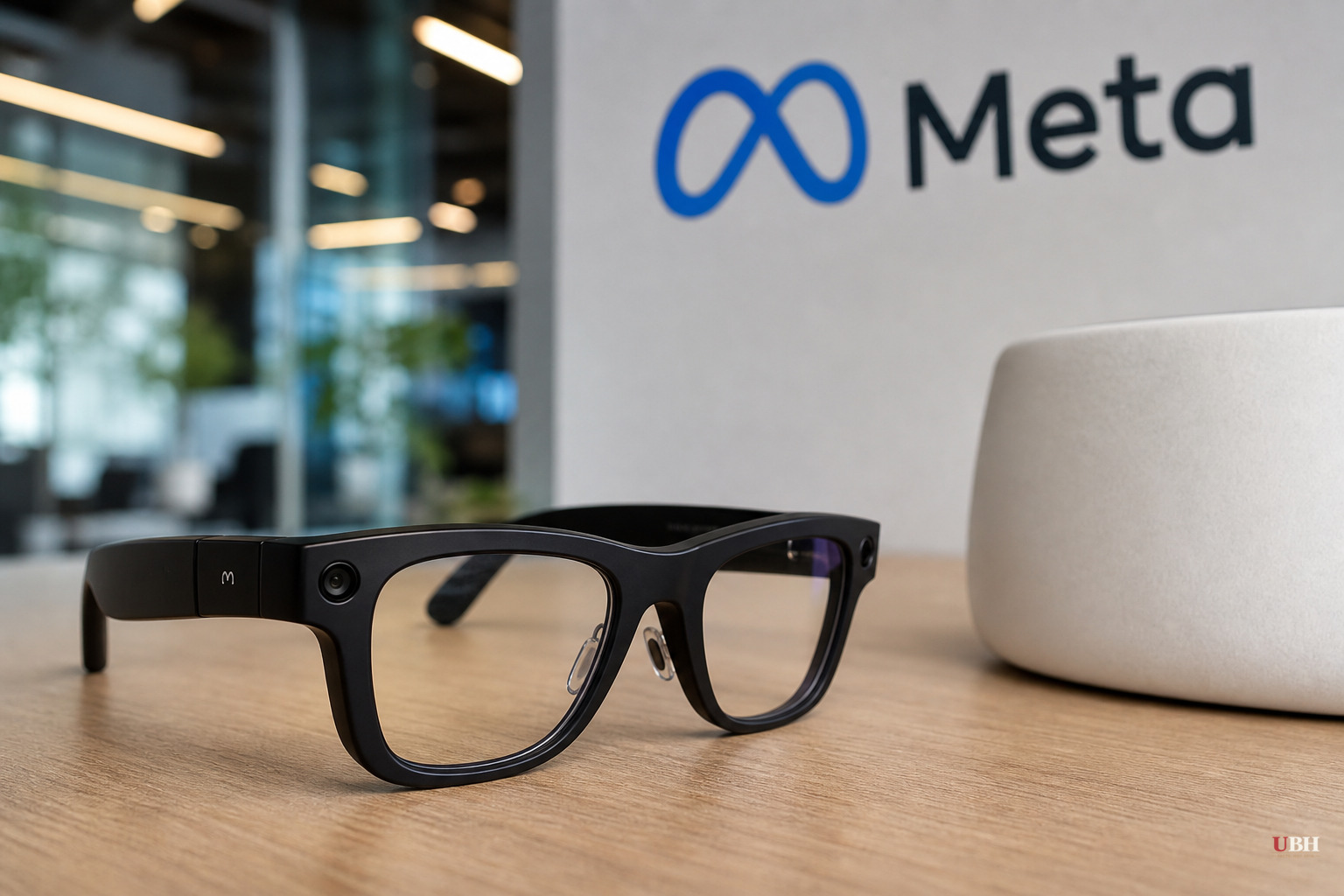
Meta programmed a facial recognition feature into its smart-glasses software called Name Tag, according to WIRED. The feature would have let the glasses identify people the wearer looked at. After WIRED's report exposed it, Meta deleted the code from its app.
Meta CTO Andrew Bosworth didn't deny it. He confirmed the feature existed in an interview on The Atlantic's podcast, The Most Interesting Thing in AI, according to WIRED. Meta didn't get caught lying about it. It got caught building it quietly, then walking it back only after reporters found it.
This isn't Meta's first privacy stumble with this product line. The company's smart glasses already capture photos, audio, and video of anyone in the wearer's field of view. There's a small indicator light meant to warn bystanders they're being recorded. According to WIRED, some users have already figured out how to disable that light. Meta responded by adding anti-tamper features that disable the glasses entirely if someone messes with them.
So the timeline looks like this: ship a camera device with a safety light, watch users defeat the light, patch around it, then get caught building face-ID on top of the whole thing. Each fix is reasonable on its own. Stacked together, it reveals a pattern of a company building first and asking privacy questions later.
Face recognition on a consumer device isn't automatically sinister. Apple's Face ID, Windows Hello, and airport security systems all use similar tech, and most people have accepted those without much fuss. If Name Tag had shipped with an opt-in requirement, clear disclosure, and a way for people to see and delete their own data, it could plausibly have been marketed as a convenience feature, like automatically tagging friends in photos. Meta pulling the code before wide release could also be read as the system working as intended, catching a bad idea before it reached millions of users.
But the public didn't find out because Meta disclosed it. WIRED found the code first. That's the difference between a company building privacy into the product from the start and a company getting caught, then cleaning up after a reporter's inquiry. Bosworth confirming it after the fact doesn't change who found it first.
The stakes here aren't abstract. Meta has sold tens of millions of these glasses, according to WIRED, and sales are reportedly stronger than ever despite the privacy controversy. That means the feature wasn't a hypothetical prototype sitting on a shelf. It was code sitting inside an app already running on a huge number of devices worn in public, pointed at strangers who never agreed to anything.
Other companies are watching, and some are trying to compete on privacy instead of features. Even Realities makes smart glasses with no cameras at all, a direct pitch to people who don't trust Meta's approach. Solos has built physical privacy shields that snap over the camera lens. Neither of those is a mass-market rival to Meta yet, but they show there's a real market segment that wants the AI features without the surveillance risk.
The field is about to get more crowded. Google and Samsung are both expected to launch competing smart glasses later this year, according to WIRED. Apple is reportedly developing its own version, though production has reportedly been delayed, in part to work through privacy concerns before launch. If that reporting holds up, Apple is doing the opposite of Meta's approach: slowing down to fix privacy problems before shipping, rather than shipping and fixing after getting caught.
There's a legitimate accessibility case for this technology that shouldn't get lost in the privacy fight. Real-time captioning for the hard of hearing and Meta's partnership with Be My Eyes, which helps blind and visually impaired users navigate their surroundings through the glasses' camera, are genuine, documented benefits. Banning cameras on glasses outright would kill those use cases along with the creepy ones.
No regulator has announced an investigation into Name Tag specifically, and no charges or fines have been reported in connection with it. The feature was deleted from the app before it went live to the public, per WIRED's reporting. The open question is whether Meta will disclose future experimental features like this proactively, or whether the public will keep finding out about them only when a reporter digs into the app's code first.
Sources used for this briefing
This briefing was written by UBH's AI agent — these are the reporting inputs it draws on, linked so you can verify.


