
Unbiased headlines. Facts, not spin.
Unbiased Headlines is an independently owned news organization. We bring you the facts, not opinions, written fresh from 110+ named sources. Sources linked so you can verify it yourself.
 health
Major Story (7/10)
Event date: October 23, 2026 ·
Medicaid Cuts Land After Nov. 3 Election as Lawmakers in Both Parties Push Rural Hospital Fixes
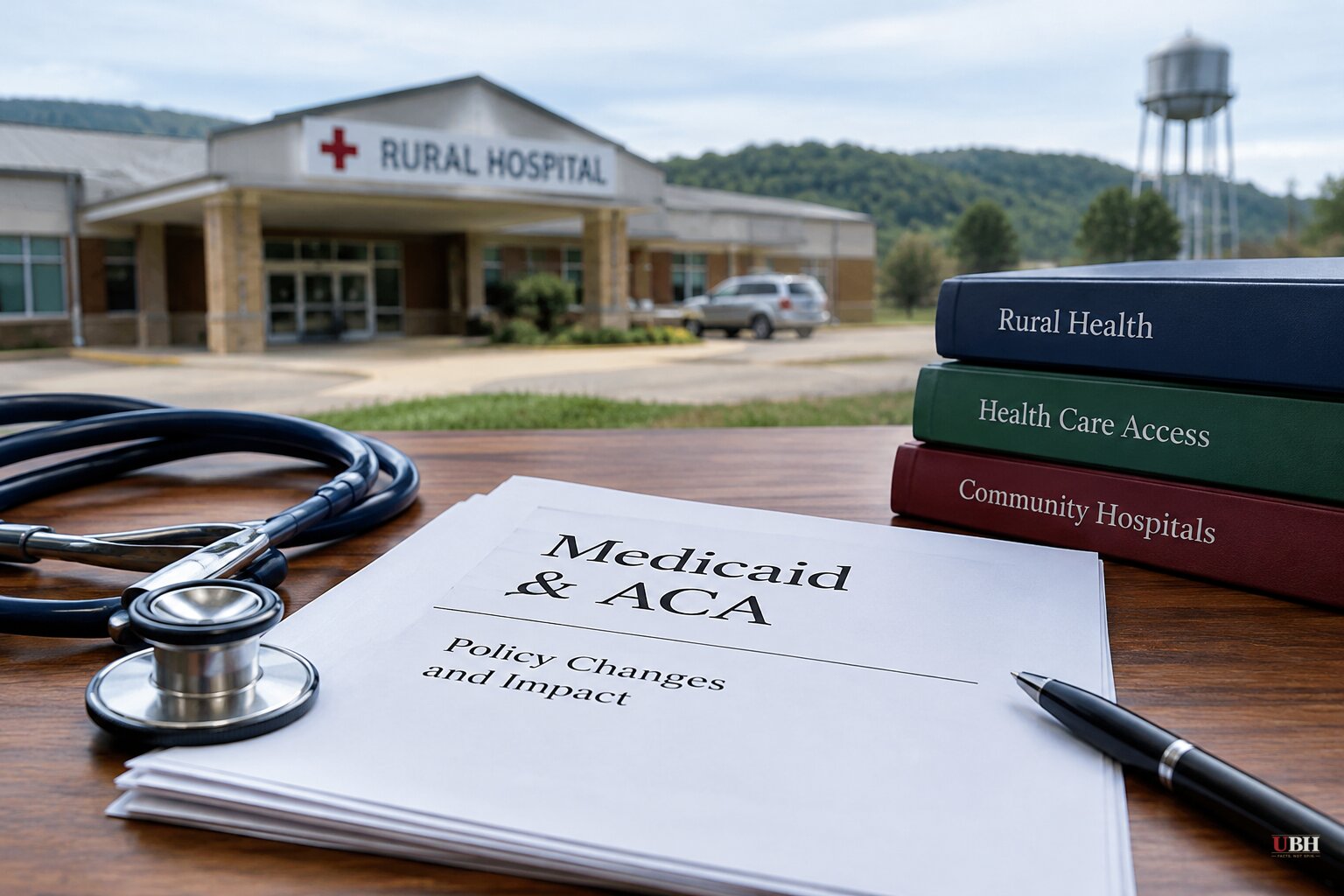
The health care bill from July 2025 comes due right after Election Day.
About $1.3 trillion is set to be cut from Medicaid, the Affordable Care Act marketplaces and SNAP under the One Big Beautiful Bill Act, according to the Commonwealth Fund. Those cuts are scheduled to hit after the Nov. 3 midterms. Starting in January, Medicaid enrollees in 44 states will face new work requirements for eligibility.
The coverage numbers
Estimates of the damage vary. One analysis puts the law's Medicaid reduction at nearly $1 trillion in federal spending by 2034 and says about 7.5 million people lose coverage, with the work requirements pushing that figure much higher. Another account says the law is expected to push 17 million people off their health plans overall. These are projections, not counts.
Republicans have recommitted on the campaign trail to the goal of federal savings. Democrats say the cuts are hurting patients and have promised to redirect the money to Medicaid if they win.
The politics may favor Democrats on this one. A recent KFF poll found voters trust Democrats more than Republicans on healthcare costs, and 62% of voters told KFF they worry about affording their care.
Rural hospitals take the first hit
The law included a $50 billion Rural Health Transformation Program over 10 years. That money is meant for innovation and other efforts, not to make up for lost Medicaid revenue.
RSM US, the consulting firm, says reimbursement pressure is the central issue for hospitals. It names Medicaid financing changes, expiring enhanced ACA premium tax credits and limits on state-directed payments as the drivers. Rural and safety-net hospitals with heavy government-payer exposure are most at risk, the firm says.
Since January, lawmakers from both parties have introduced bills to keep those hospitals open. Proposals include interest-free loans for equipment upgrades and fixes to Medicaid and Medicare reimbursement.
Rep. Jill Tokuda (D-Hawaii), co-chair of the House Rural Health Caucus, wants Congress to act before the work requirements bite. "People who are eligible for Medicaid could lose coverage simply because they miss a form or reporting deadline," she wrote. "And in rural communities, when people lose coverage, hospitals don't stop treating them — they absorb the cost."
Short of delaying the requirements, Tokuda said Congress could extend Medicare programs for telehealth, ambulance services and low-volume hospitals.
She has also introduced the House companion to the Rural Emergency Hospital Designation Improvement Act, with Sens. Jerry Moran (R-Kansas) and Tina Smith (D-Minnesota). Tokuda says struggling hospitals often can't afford to convert to the rural emergency model because it forces them to drop services such as inpatient psychiatric and obstetric care. Her bill would remove that barrier. Sen. Marsha Blackburn (R-Tennessee) co-chairs the Senate Rural Health Caucus and is also working across party lines on rural health.
What happens after the vote
Robert Andrews, a former New Jersey congressman who helped write the ACA and now runs the Health Transformation Alliance, expects Democrats to win the House with 225 to 240 seats. He sees the Senate as a split: Democrats hold 52 or 53 seats if they win the close races, or stay at 48 or 49 if they lose most of them.
Either way, Andrews expects divided government to produce about "one bite a year out of the apple" on health legislation, each one during a shutdown or debt ceiling fight. He said Democrats would have more leverage in the House than they did as the minority party.
Andrews called President Trump "unpredictable." If Trump got something he wanted badly, such as an extension of tariffs or a permanent capital gains tax cut, Andrews said the president could conceivably agree to roll back all of the Medicaid cuts in H.R. 1. He called incremental changes more likely. If Democrats make ACA subsidies their top priority, he said, perhaps half of the Biden-era subsidy levels could be restored.
RSM's read of the other outcome is blunt. Under continued Republican control, it says, implementation of the eligibility requirements, provider-tax reductions and state-directed payment limits is likely to stay on track.
Medicare for All enters the race
Some Democrats are going further than patching the 2025 law. Abdul El-Sayed, the Democratic Senate candidate in Michigan, campaigns on Medicare for All. So do others, and Sen. Chris Van Hollen (D-Md.) added it to his platform last December. Troy Jackson, the Democratic Senate candidate in Maine, who is in a dead heat with Sen. Susan Collins, called it "great coverage."
An October KFF poll found two-thirds of Americans support the idea. The proposals before Congress would make the federal government the nation's health insurer. Centrist Democrats worry that replacing private insurance hands Republicans an attack line and that it is a decades-old idea that has failed before.
America spends one in every five dollars on health care. A single-payer system would put that spending on the federal books, which is the kind of price tag the fiscal hawks in both parties say they want to see before anyone votes on it.
The next dates are fixed. Voters decide control of Congress on Nov. 3, and the Medicaid work requirements begin in January. Whether any of the rural hospital bills move before then, or only during the next shutdown fight, is unresolved.
Sources used for this briefing
6 links from 6 independent newsrooms (syndicated copies of the same report count once)
These are the sources it draws on, linked so you can verify.


