
Unbiased headlines. Facts, not spin.
Unbiased Headlines is an independently owned news organization. We bring you the facts, not opinions, written fresh from 110+ named sources. Sources linked so you can verify it yourself.
 health
Major Story (7/10)
Event date: October 26, 2026 ·
H5N1 Has Spread Through a Utah Mink Farm Since August, and No Federal Rule Covers Mink
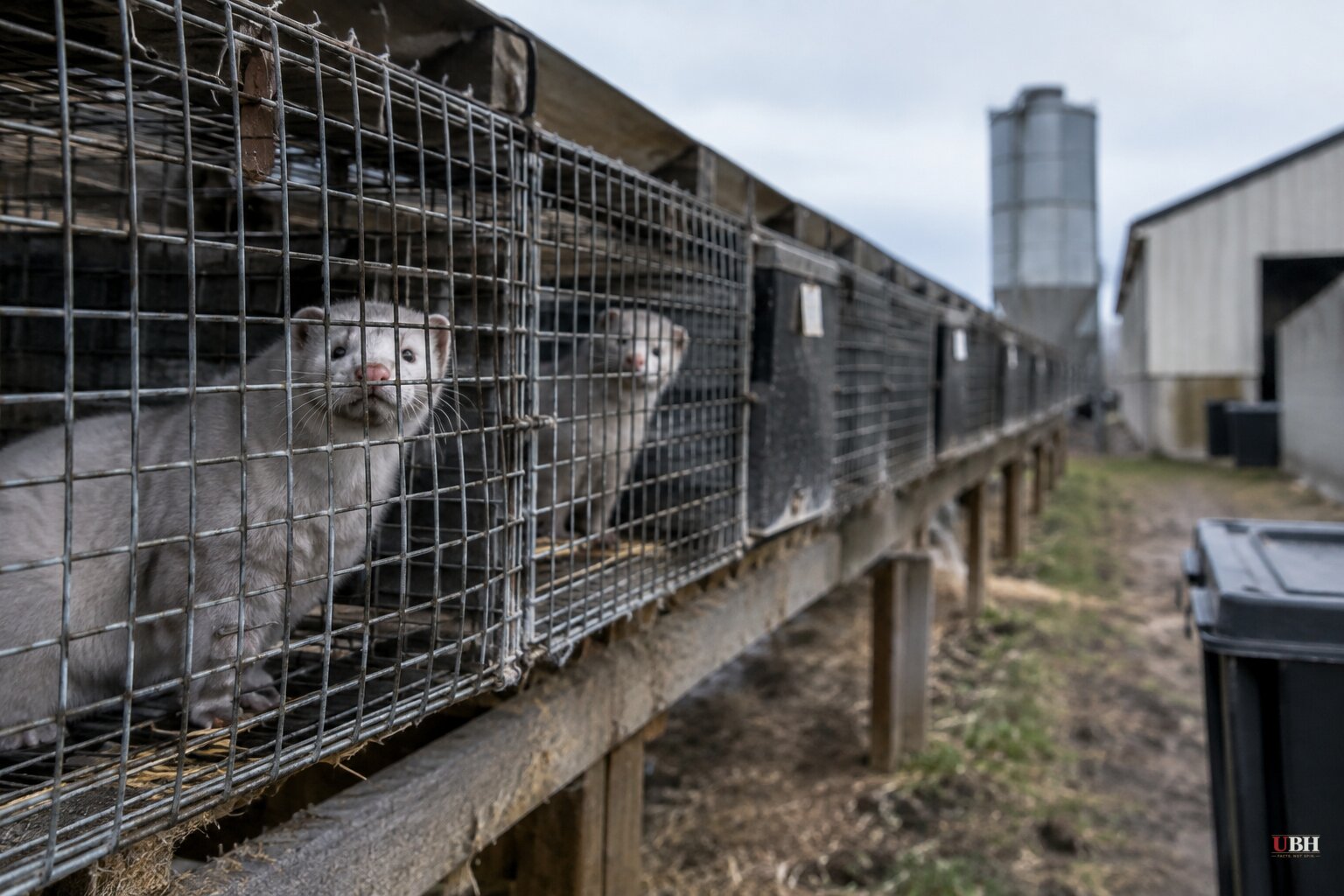
The H5N1 bird flu strain that has torn through American poultry barns for four years has been sitting on a Utah mink farm for more than two months. Nobody with clear authority has moved to shut it down.
The farm is C&T Fenn Farms, west of Provo near Payson, which raises thousands of mink for fur. A ProPublica investigation found that Utah agriculture officials learned in mid-August that mink there were dying of the virus. The USDA's own database of mammal detections lists H5N1 in captive mink in Utah, with samples collected Aug. 7 and detections recorded Aug. 17, 2026.
A gap in the rulebook
If the same virus turned up in a single chicken, the federal playbook is automatic: kill the whole flock. Poultry farmers are reimbursed for the loss.
Mink are different. There are no federal rules for sick mink, and no funded compensation for mink farmers.
State veterinarian Amanda Price asked the USDA for help. According to records ProPublica obtained under Utah's public records law, USDA officials told her they do not regulate mink and have no vaccine approved for them. CDC officials spoke with Utah health department staff, ProPublica reported, but never with Price. Price described Utah's approach to ProPublica as "sit and wait."
Why mink worry flu researchers
So far the virus has behaved like a bird virus. The two U.S. deaths from this strain involved people who caught it from sick animals, and no one is known to have passed it to another person.
For that to change, researchers say the virus likely needs an intermediate host. Mink fit. Their airways are cellularly similar to human airways, and they have caught and spread other flus and infected some people with COVID-19. Packed together on a farm, each new infection is another roll of the dice for a mutation.
A 2021 study in Emerging Microbes & Infections found farmed mink susceptible to multiple human and avian influenza subtypes. When two flu viruses infect the same cell, they can swap genes. That does not automatically produce a virus that spreads between people, but it raises the odds of something new.
Workers and the fur industry
The CDC recommends monitoring people who have contact with infected animals. ProPublica reported that is not happening at the Utah farm. A worker there temporarily developed eye redness, which is often the only symptom in human H5N1 cases, ProPublica reported.
The farm has not been ordered to cull. ProPublica reported that a fur industry representative warned that killing the mink could destroy the business and harm the industry.
Tom Peacock, an avian influenza researcher at the Pirbright Institute, told ProPublica that depopulation is typically done quickly and called the delay "very concerning." Other flu experts the outlet interviewed called the response "irresponsible" and "puzzling." One called it "playing with fire."
What the state says
The Utah Department of Agriculture and Food pushes back on the alarm. A spokesperson said in a statement that the CDC says "the current risk to the general public remains low" and that the department "takes (bird flu) seriously." The CDC's current assessment is that no mink-to-human transmission has been confirmed.
The low-risk assessment and the experts' warning can both be accurate. One describes the situation today. The other describes what could happen if an uncontrolled outbreak runs long enough.
The money question
The poultry system works because the government pays farmers to destroy infected birds, so reporting a case does not bankrupt anyone. Mink farmers have no such arrangement. A farmer facing the loss of an entire herd, with no reimbursement, has an obvious reason not to want a cull.
Whether taxpayers should fund indemnity for a fur operation is a legitimate fight. It is also a fight no one in government has started. The USDA says mink are not its job. The state has chosen to wait. The CDC's monitoring recommendation has not been carried out at the farm.
No agency has announced a cull order, a worker-monitoring program, or a plan to close the regulatory gap. Until one does, the outbreak's course rests on a herd, a handful of workers, and the virus.
Sources used for this briefing
6 links from 6 independent newsrooms (syndicated copies of the same report count once)
These are the sources it draws on, linked so you can verify.


