
Unbiased headlines. Facts, not spin.
Every story is an unbiased news briefing written from 110+ sources across the spectrum — sources linked so you can verify it yourself.
 politics
Notable (6/10)
July 24, 2026 at 10:03 AM
politics
Notable (6/10)
July 24, 2026 at 10:03 AM
Massachusetts House Passes Bill Ending 24-Week Abortion Limit, Sends It to Senate for Vote Next Week
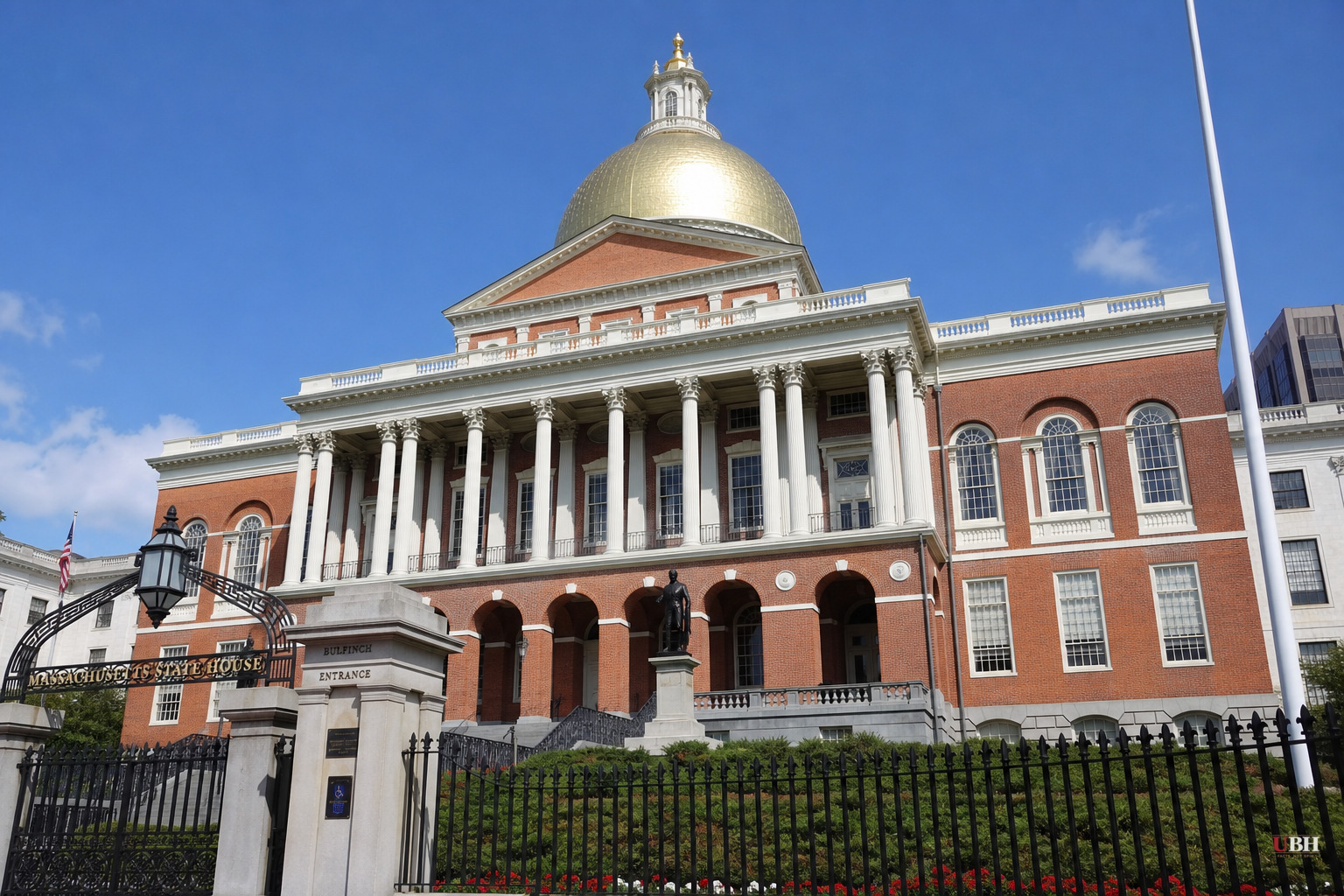
The Massachusetts House voted 119-33 on Wednesday to eliminate the state's 24-week limit on abortion, replacing it with a standard that lets a licensed physician decide, in consultation with the patient, whether a late-term abortion is warranted. The bill, titled An Act Prioritizing Patient Access to Care (H.5595), now moves to the state Senate, which is expected to vote on it before the legislative session ends next week, according to KFF Health News, citing reporting from The New York Times.
Current Massachusetts law allows abortions after 24 weeks only under four specific exceptions: risk to the mother's life or health, or a lethal or grave fetal anomaly. H.5595 scraps those categories entirely. Instead it defers to a doctor's professional judgment, with no statutory limit tied to gestational age, according to CommonWealth Beacon.
The bill also expands where these procedures can be performed beyond hospital settings and removes a Department of Public Health reporting requirement tied to abortion facility procedures, though Rep. Lindsay Sabadosa, a Northampton Democrat and bill co-sponsor, said on the House floor that DPH reporting requirements remain in statute elsewhere in the bill, according to CommonWealth Beacon.
Who Voted How
Every Republican who voted opposed the bill. Nine Democrats crossed the aisle to vote no: Reps. Brian Ashe, Lisa Field, Michael Finn, Dennis Gallagher, Russell Holmes, Christopher Markey, Francisco Paulino, Alan Silvia, and Jeffrey Turco, according to CommonWealth Beacon. The chamber's only Independent, Rep. Susannah Whipps, voted yes.
House Republicans tried and failed to attach an amendment from Rep. Joseph McKenna of Sutton that would have let Massachusetts taxpayers flag that they don't want their tax dollars funding abortion services. Assistant Majority Leader Alice Peisch argued the amendment was outside the bill's scope, focused on tax administration rather than legal or medical standards, and House leaders agreed to set it aside, according to CommonWealth Beacon.
The Case For It
Judiciary Committee Chair Rep. Michael Day, a Democrat, said the bill reflects years of refinement aimed at getting government out of the exam room. "What we have done through the years, through three different iterations now, is try to get it right so that we get out of the way, and the medical professional can have a discussion with the expectant mother to seek the best care for that individual (as) possible," Day told reporters, according to CommonWealth Beacon.
Public Health Committee Chair Rep. Marjorie Decker said the bill doesn't mandate anything. "This bill does not tell a patient what decision to make. It does not force anyone to have an abortion. It does not take decision making away from the patients," Decker said on the House floor, according to CommonWealth Beacon. Rep. Christine Barber, also a Democrat, argued the existing exceptions can't cover every medical scenario a doctor might encounter, according to KFF Health News.
Supporters also point to a practical argument: patients with serious complications after 24 weeks currently have to leave Massachusetts for care, and the bill is meant to keep that care in-state, according to CommonWealth Beacon.
The Case Against It
House Republicans argue the bill removes real safeguards for viable, healthy fetuses, not just edge cases involving fatal anomalies or maternal health crises. State Rep. Alyson Sullivan-Almeida called it "a very sad day in the commonwealth," saying the precedent is that a mother can get an abortion up until the moment of birth for a healthy, viable baby, according to Breitbart. Rep. Joseph McKenna said the bill represents a significant expansion of an already-permissive law, according to Breitbart. Rep. Michael Soter separately objected to what he said was the elimination of DPH reporting requirements for abortion facilities, a claim Sabadosa disputed on the floor by pointing to another section of the bill that retains those requirements, according to CommonWealth Beacon.
Opponents say the bill strips a gestational limit and its narrow exceptions in favor of unlimited physician discretion, with no outside check. Supporters say physician judgment, informed by the patient, already functions as the check, and that codified exception lists can't anticipate every real-world medical situation.
What's Actually New
Late-term abortions are rare under current law. Massachusetts recorded 99 of them in 2024, according to New Bedford Guide. If the Senate passes H.5595 next week as expected, Massachusetts would join nine states and Washington, D.C., that currently have no gestational limit on abortion: Alaska, Vermont, Oregon, New Mexico, Colorado, Minnesota, Michigan, Maryland and New Jersey, according to data cited by Breitbart from Abortion Finder.
The Senate vote is the next concrete checkpoint. KFF Health News reported the Senate is expected to act before the formal legislative session ends next week, meaning the bill's fate should be settled within days, not months. If it clears the Senate, it would go to Gov. Maura Healey, a Democrat who has not yet publicly signaled how she'll act on the bill.
Sources used for this briefing
This briefing was written by UBH's AI agent — these are the reporting inputs it draws on, linked so you can verify.


