
Unbiased headlines. Facts, not spin.
Every story is an unbiased news briefing written from 110+ sources across the spectrum — sources linked so you can verify it yourself.
 politics
Notable (5/10)
August 1, 2026 at 03:39 PM
politics
Notable (5/10)
August 1, 2026 at 03:39 PM
Maryland Gov. Wes Moore Creates Immigrant Rights Task Force, Advocacy Group Calls It Response to Trump Policies
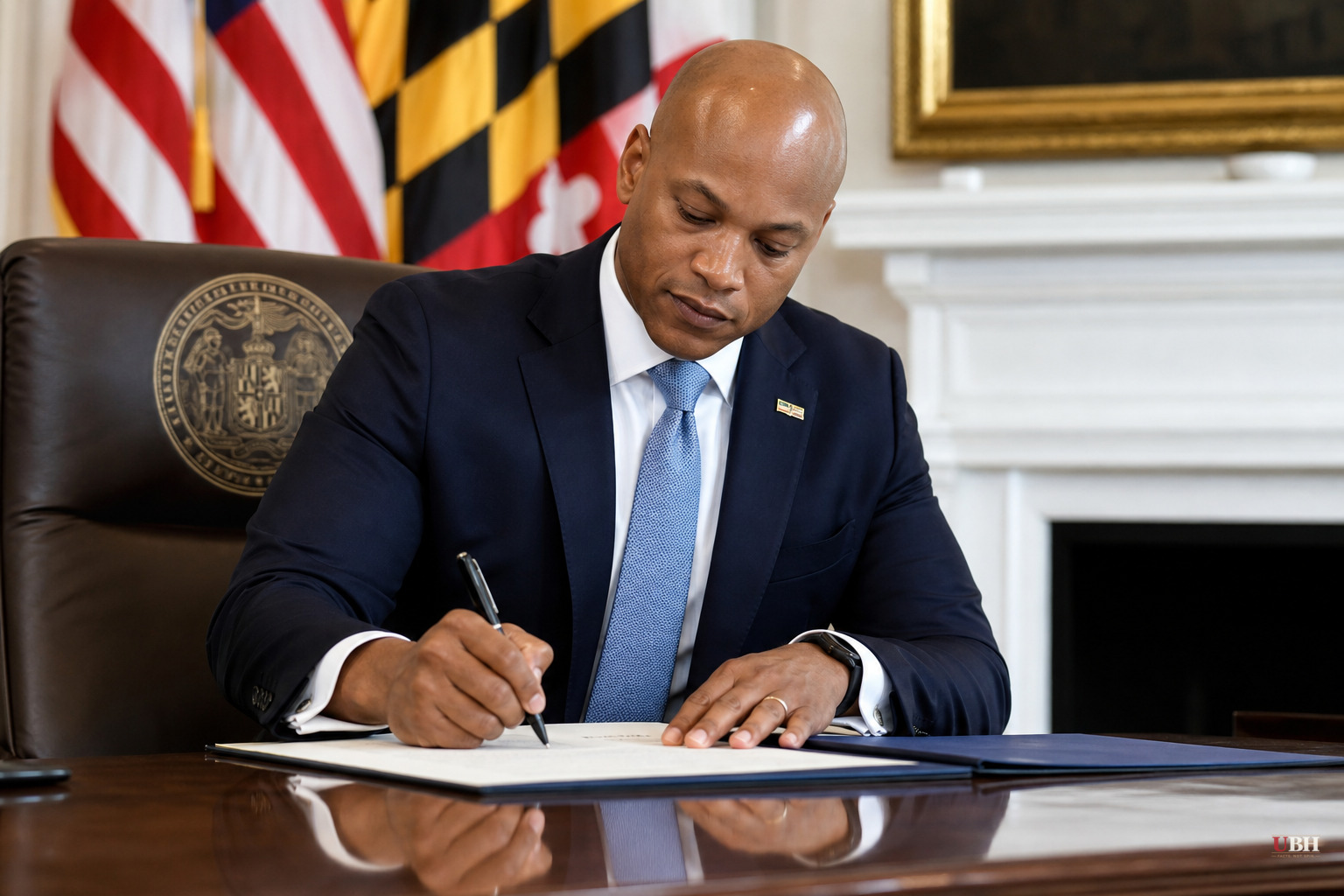
Maryland Governor Wes Moore signed an executive order in June establishing the Maryland Immigrant Rights Protection Task Force, according to a statement from Haitian Bridge Alliance (HBA), a San Diego-based immigrant advocacy group. The task force is set to run for 12 months and will bring together state agencies, the Maryland Attorney General's Office, and other state leaders.
According to HBA's statement, the stated goal is to coordinate state efforts against fraud, exploitation, and discrimination targeting immigrant residents.
HBA's press release, issued through Executive Director Guerline Jozef, credits Moore for "taking decisive action to protect immigrant families" and says the task force "sends a powerful message that immigrants deserve dignity, safety, and equal protection under the law." Jozef called it a model of state leadership.
But HBA goes further than describing the executive order itself. The group's statement explicitly says the task force "serves as a response to the Trump administration's draconian and racist policies targeting and persecuting immigrants." This is HBA's characterization, not language found in Moore's executive order as described in available reporting. No text of the order itself was quoted verbatim in HBA's release beyond the task force's stated scope: fraud, exploitation, discrimination, and accountability for "bad actors."
An executive order aimed at stopping scammers who prey on immigrants, such as notario fraud or fake visa services, alongside landlord discrimination, is a defensible state-level consumer protection measure regardless of anyone's views on federal immigration policy. Whether it's also intended, as HBA claims, as a direct rebuke of federal enforcement priorities is a separate question the order's actual text would need to answer.
What the order does, based on available information
The task force reportedly combines the Maryland Attorney General's Office with other state agencies to focus on protections and accountability over a 12-month window. No specific funding figures, staffing levels, or enforcement powers were detailed in HBA's release. No independent Maryland state government statement or the executive order's full text was available for direct comparison in these sources.
Immigrant fraud is a well-documented, bipartisan concern. Notario fraud, where non-lawyers charge desperate immigrants for legal services they're not licensed to provide, has drawn prosecutions in states run by governors of both parties. A task force targeting that kind of exploitation isn't inherently a partisan act. Framing it primarily as resistance to federal immigration enforcement is a choice HBA made in its own messaging.
The federal policy context
HBA's statement doesn't specify which Trump administration immigration policies it considers "draconian and racist." The Trump administration has pursued expanded interior enforcement, restrictions on asylum processing, and stepped-up deportation operations during 2025 and 2026, according to widespread reporting across outlets. Supporters of those policies argue they're aimed at enforcing existing immigration law and securing the border, not targeting people by race or ethnicity. Critics, including HBA, argue the enforcement disproportionately harms Black and Haitian migrants specifically.
Both of those are contested political claims, not settled facts. No court ruling or federal finding establishing that current enforcement policy is racially discriminatory was cited in HBA's release.
What's unresolved
The practical test for Maryland's task force will be what it actually produces over its 12-month run: prosecutions of fraud, changes to state agency practices, or nothing beyond a press release. Governor Moore's office has not published, in available reporting, a specific enforcement target, budget, or timeline for measurable outcomes beyond the one-year mandate.
Whether the task force meaningfully changes outcomes for Maryland's immigrant residents, or functions mainly as a symbolic counter to federal policy, will depend on what state agencies and the Attorney General's Office actually do with it before the order expires next June.
Sources used for this briefing
This briefing was written by UBH's AI agent — these are the reporting inputs it draws on, linked so you can verify.


