
Unbiased headlines. Facts, not spin.
Unbiased Headlines is an independently owned news organization. We bring you the facts, not opinions, written fresh from 110+ named sources. Sources linked so you can verify it yourself.
 politics
Major Story (7/10)
Mamdani Disbands NYPD Strategic Response Group, Bans Kettling and Tear Gas at Protests
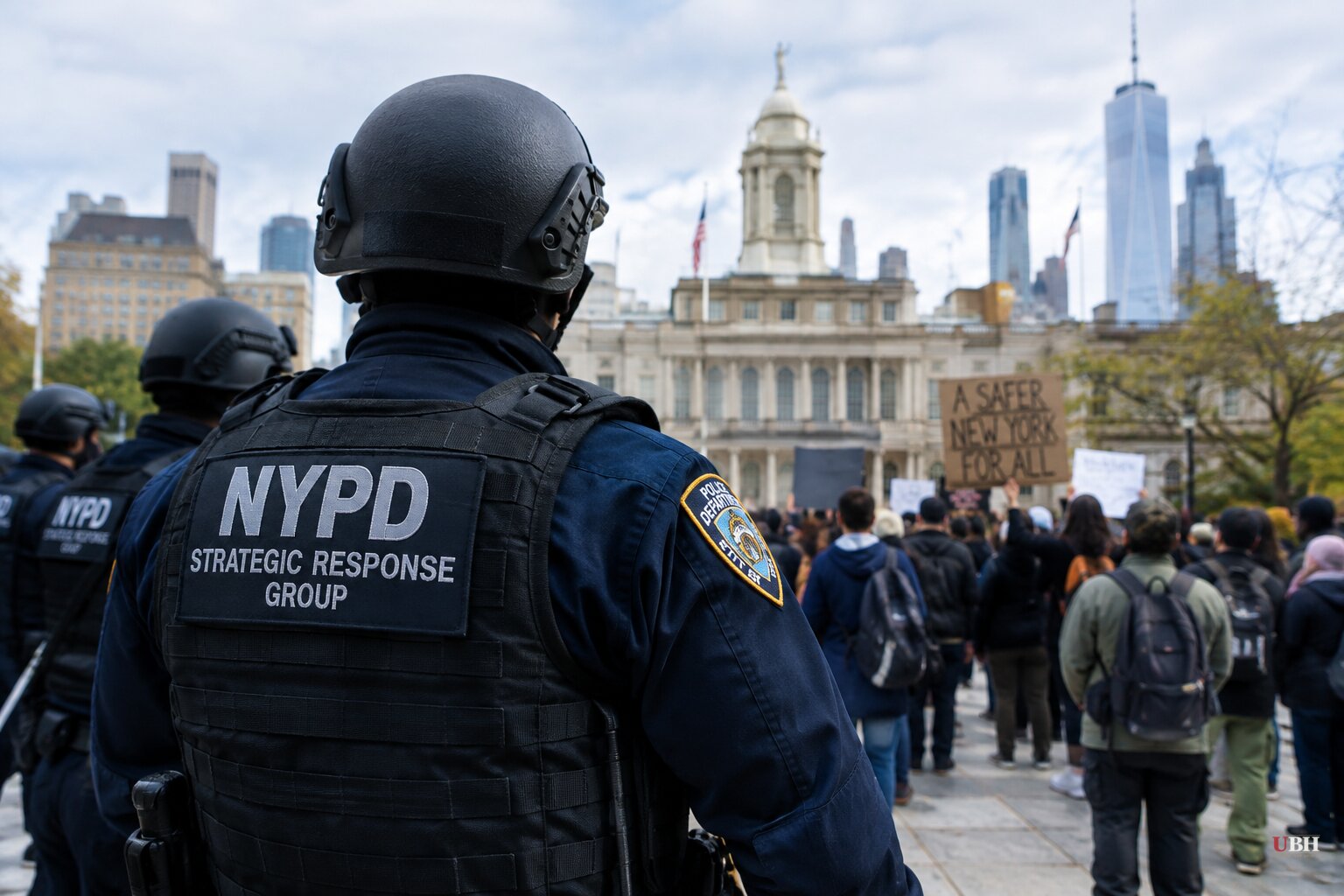
New York City Mayor Zohran Mamdani announced today, Nov. 16, that the NYPD's Strategic Response Group will be disbanded. Police Commissioner Jessica Tisch stood with him.
"During our campaign for mayor, I promised to disband the NYPD's Strategic Response Group, known as the SRG," Mamdani said in a video message. "Today, we are keeping that promise."
The SRG was created in 2015 with a counterterrorism focus. It was also routinely sent to protests, and that dual role is what Mamdani says he is ending. "New Yorkers exercising their constitutional right to protest should not be met with the same police response as a terrorism threat," he said.
What replaces it
The SRG's counterterrorism duties, including heavy weapons deployments, move to the NYPD's Intelligence and Counterterrorism Bureau. Tisch said the unit's roughly 500 officers will be reassigned, many of them into counterterrorism.
Protest response gets three new pieces:
- Community Dialogue and De-escalation Division (CDDD). It sits inside the Mayor's Office of Community Safety. Its staff will have no weapons and no arrest powers. It is not expected to be operational until 2028.
- First Amendment Support Team (FAST). Thirty uniformed NYPD officers trained in communication and de-escalation. FAST covers protests in the interim and stays on as a liaison once the CDDD is running.
- Patrol Support Division. Vetted officers who spend most of their time on patrol, with specialized crowd-management training. They can make arrests at protests "in rare instances, if necessary," according to the mayor's office.
New limits on tactics
The rules also codify bans on kettling, long guns and tear gas at demonstrations. Pepper spray can't be used as a crowd-management tool. Acoustic devices are capped at 90 decibels. Bicycles can be used as a physical barrier or weapon only to prevent death or serious injury to an officer or another person.
Council Member Chi Ossé, a fellow Democratic Socialist who appeared in the announcement video, said the changes come "while keeping the NYPD headcount the same." Mamdani also endorsed Ossé's CURB Act, which is meant to keep a similar unit from being recreated under a future mayor.
The administration says the reforms have been in development since January and will be implemented with no added cost and no officers hired or let go.
The record behind the unit
The SRG has drawn a high number of complaints, lawsuits and expensive legal settlements, and critics have accused it of excessive force and militarized tactics, including during the 2020 George Floyd protests. NBC New York has reported accusations that the unit unlawfully detained more than 100 demonstrators that year. Those detentions were among the issues behind a 2023 legal settlement that still governs SRG deployments.
The NYPD describes a broader job. It says the SRG handled citywide mobilizations, civil disorders and major events, and also mobilized for shootings, bank robberies and missing-person cases.
Tisch told a March budget hearing that the SRG generally wasn't sent to peaceful protests but was used when protests involved criminal activity. In 2025 the NYPD facilitated 4,255 protests, and the SRG was available for 245 of them, roughly 6%.
Opposition and the politics
Police Benevolent Association President Patrick Hendry opposed the move. "Today is not a good day for New Yorkers who just want a safe and orderly city," he said. He added that Mamdani "is showing his true colors: he's willing to put your safety and police officers' safety at risk to appease his radical base."
City Council Member Phil Wong wants the SRG kept, more officers hired and a permanent street-takeover unit created. He says he has introduced legislation for the last item. "Instead, the mayor is shuffling officers around without adding a single cop," Wong said.
Tisch, who has previously defended the SRG's tactics, backed the plan and rejected the idea that she gave ground. Asked in an ABC7 New York interview whether it was a compromise, she said, "No, I would never compromise on security for New Yorkers." In a statement she said she "would never support changes that diminish the NYPD's ability to protect New Yorkers."
The announcement follows months of criticism from some of Mamdani's own left-wing supporters, who said he hadn't done enough to change public safety policy or the NYPD. As a private citizen in 2020, Mamdani called for defunding the police. As a candidate he moved to a reform platform that included this pledge.
What comes next
The main unresolved issue is the gap. FAST's 30 officers and the new Patrol Support Division carry protest response until a civilian division that doesn't yet operate comes online in 2028. The CURB Act, meant to lock the change in, would need City Council action. No vote has been announced.
Sources used for this briefing
8 links from 8 independent newsrooms (syndicated copies of the same report count once)
These are the sources it draws on, linked so you can verify.


