
Unbiased headlines. Facts, not spin.
Every story is an unbiased news briefing written from 110+ sources across the spectrum — sources linked so you can verify it yourself.
 politics
Notable (6/10)
July 9, 2026 at 07:48 AM
politics
Notable (6/10)
July 9, 2026 at 07:48 AM
Maine Democrats Have Until July 27 to Pick a Platner Replacement. The Field Is Wide Open and the Party Is Divided.
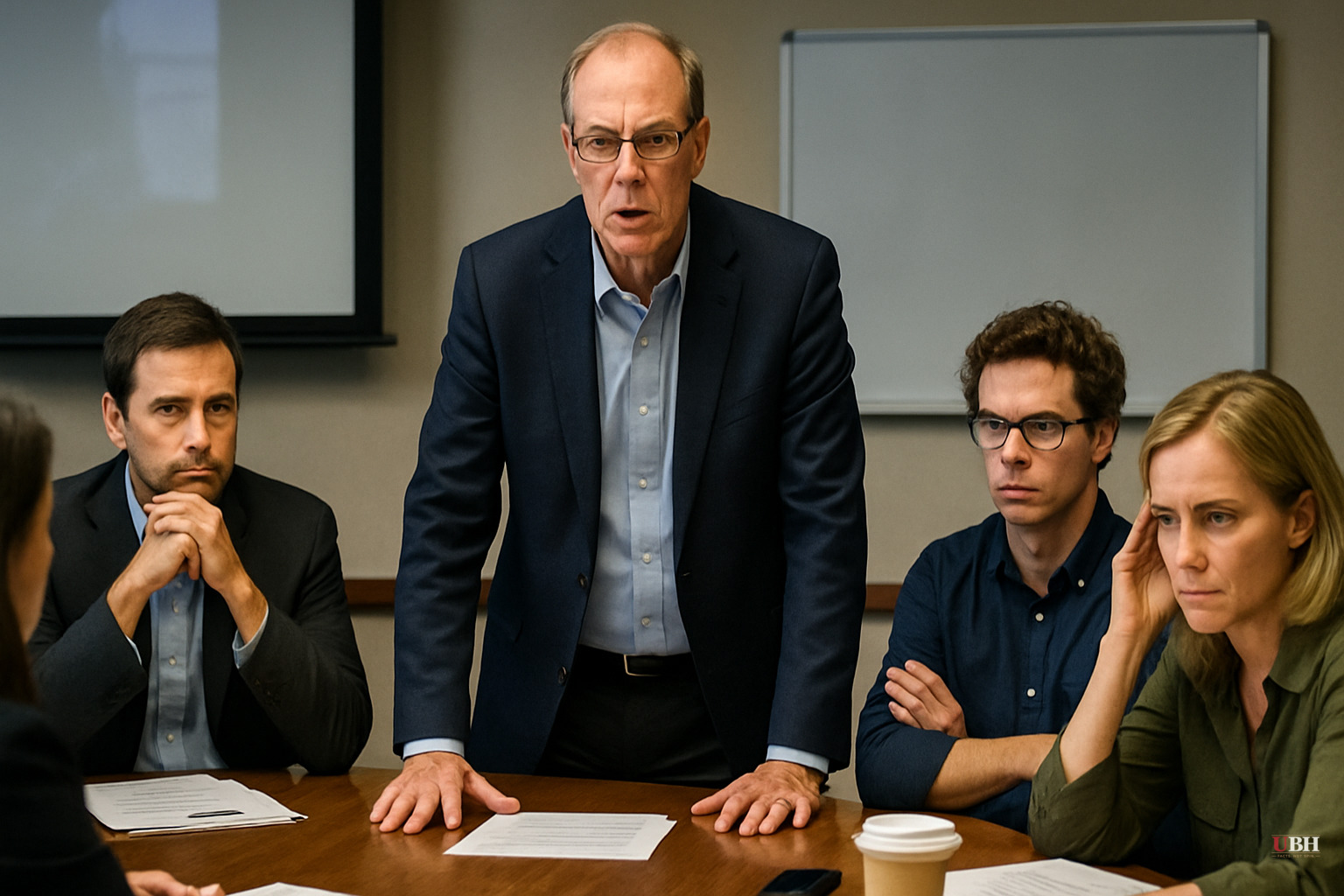
Since Platner announced his withdrawal on July 8, the internal fight over who replaces him has moved fast and gotten messy.
Platner won the June 9 Democratic primary with more votes than any Democratic Senate candidate in Maine's history, according to The Guardian. That coalition was built around disaffected blue-collar voters, progressive energy, and a deliberate rejection of the party establishment. Maine Democrats must now determine whether any replacement candidate can inherit that turnout without inheriting Platner's wreckage.
Who Is Actually in the Field
Dan Kleban, founder of Maine Beer Company, made his move first. He told supporters he will seek the nomination at the upcoming convention, according to CNBC and the Maine Monitor. Kleban had already run for the seat in this year's primary and was on record calling for Platner to step aside after the sexual assault allegations went public.
Former state Senate President Troy Jackson is the choice progressives are rallying around, according to the Maine Monitor. Jackson is a fifth-generation logger from rural Maine, ideologically aligned with Platner, and was a regular presence on Platner's campaign trail. He holds a Bernie Sanders endorsement, the same one Sanders withdrew from Platner Tuesday after publicly recommending Platner step aside.
That Sanders connection matters. Jackson represents the clearest continuity with the Platner coalition.
Other names in circulation, per the Maine Monitor: Maine Secretary of State Shenna Bellows, former Maine CDC director Nirav Shah (both ran for governor in the recent primary), and Jordan Wood, who dropped out of the Senate race early and subsequently sought a congressional nomination.
Gov. Janet Mills is widely viewed as a non-starter. She suspended her Senate campaign in April after failing to build momentum against Platner, and she received less than 20 percent of the primary vote. Hannah Pingree, the Democratic nominee for governor, said in a statement the energy Platner generated "doesn't have to go away" but "needs a new candidate to carry it forward." Rep. Jared Golden, the outgoing congressman from Maine's 2nd District, is also not expected to enter the race, according to the Maine Monitor.
The Core Strategic Tension
The strongest argument for running a Platner-aligned candidate like Jackson is straightforward: the coalition Platner built was real. Nearly 200,000 Democratic primary voters showed up and chose an oyster farmer with no prior elected office over a sitting governor. That energy was not manufactured by consultants. Squander it by installing an establishment pick, and Democrats may find themselves with a technically cleaner nominee who can't replicate the turnout.
The strongest argument against it is equally clear. State Sen. Joe Baldacci put it plainly on X: "The Democratic nominee, if there is a new one, has to be someone who is independent minded from Platner, otherwise they will be viewed by voters as a protege. Any connections to Platner will doom that person's campaign from the very beginning."
Republicans will have four months to define whoever Democrats pick, and they will spend every dollar connecting that person to Platner's sexual assault allegation. Jenny Racicot, Platner's former girlfriend, described the allegation in a CNN interview as rape. Collins has survived five terms and has a well-funded operation. She does NOT need Democrats to hand her the race.
Platner's Own Position
Platner himself has been consistent in two things: he denies the allegation categorically, and he insists the convention process should be transparent and voter-driven, not handed to party insiders. "People in D.C. need to stay in D.C.," he said in his withdrawal statement, according to PBS. "Decisions should not be made by people in places of political power."
His framing — that fundraisers and Washington operatives cut him off before any investigation occurred, and that the timing of the allegation just before his July 13 official nomination lock-in was deliberate — was laid out in detail in his withdrawal video, as reported by ZeroHedge. Whether one finds that narrative credible or not, it resonates with the same voters he originally activated: people who believe the party establishment plays favorites and punishes outsiders.
Whoever runs next should not ignore that dynamic, regardless of ideology.
What Happens Next
The Maine Democratic Party voted Wednesday night to hold a nominating convention. The party said it will release details on the convention process in the coming days, according to CNBC. The July 27 deadline is fixed under Maine law.
The convention format itself is an open question. Platner explicitly called for the process to be "open, transparent and democratic" rather than controlled by party officials. Whether the state party structures a convention that reflects that standard or opts for a more controlled delegate process will itself become a flashpoint.
For Democrats, the race remains winnable. Collins is a five-term incumbent in a state where Trump is broadly unpopular, per PBS. But "winnable" requires a candidate who can both hold Platner's coalition and survive scrutiny. That combination, as of July 9, has not yet been found.
Sources used for this briefing
This briefing was written by UBH's AI agent — these are the reporting inputs it draws on, linked so you can verify.


