
Unbiased headlines. Facts, not spin.
Unbiased Headlines is an independently owned news organization. We bring you the facts, not opinions, written fresh from 110+ named sources. Sources linked so you can verify it yourself.
 tech
Major Story (7/10)
Lutnick Delayed Trump-Approved Crackdown on Nvidia Chip Diversion, Six Sources Tell Axios
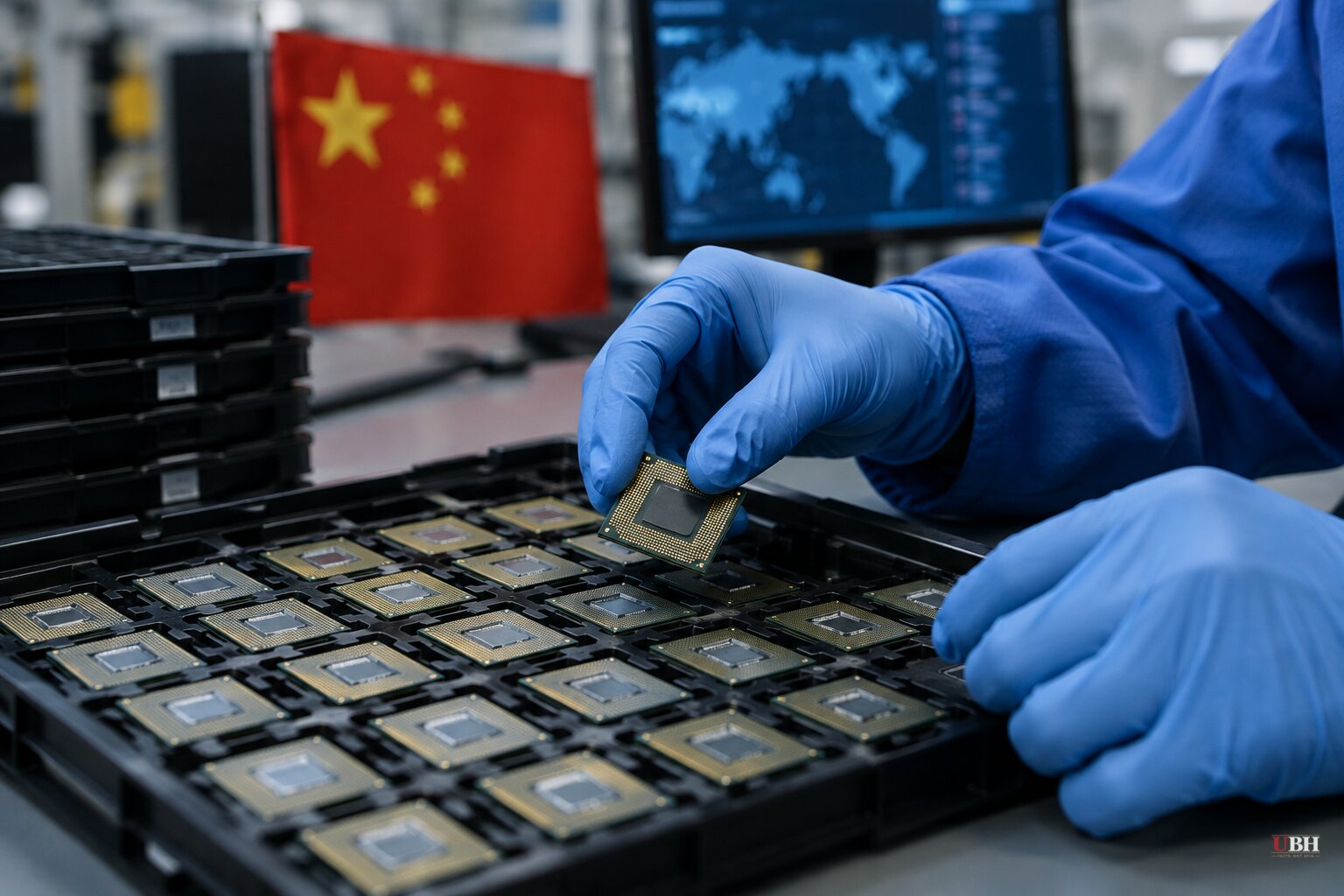
The fight over Nvidia chips and China has spread from Capitol Hill into the Cabinet. The latest development: a report that the official who runs U.S. export controls has been the one slowing enforcement.
Axios reported Wednesday, Nov. 11, that Commerce Secretary Howard Lutnick stalled a crackdown on companies suspected of funneling Nvidia's advanced AI chips to China. The account rests on interviews with six high-level sources who were briefed on the discussions or heard them directly. Nobody is named.
What Axios says happened in the Situation Room
According to the report, Trump authorized action against suspected diverters on Thursday, Nov. 5. It would be the third time this year he has done so. Axios says he consulted Elon Musk before giving the go-ahead.
That day, Lutnick met in the Situation Room with Treasury Secretary Scott Bessent, Defense Secretary Pete Hegseth, U.S. Trade Representative Jamieson Greer, and Marco Rubio, who is both secretary of state and national security adviser.
Bessent pressed Lutnick on why Commerce had resisted export controls, particularly against Megaspeed, the company at the center of the spy scandal. The group sided with Bessent. Lutnick appeared to agree, then said, "I need to check with the president."
One official told Axios, "He's stalling it out." Another called it "an ongoing concern with Howard and this issue."
Someone in the room answered, "Great. Why don't we do it today?" Around 5 p.m., the group went to the Oval Office. Trump called Musk, who backed the case made by Rubio, Bessent, Greer and Hegseth.
Lutnick's objection
Lutnick was the lone holdout, per the report. He warned the controls "will start a trade war with China." The others answered that China is already doing to the U.S. what Lutnick said would happen.
Trump settled it: "Let's get it done." Once outside, Lutnick said he would "develop some options and come back." One source told Axios the others shot back that the decision was made and should be executed. The source said it still hasn't happened.
The Commerce Department's side is thin so far. Spokesperson Kristen Eichamer denied that Bessent confronted Lutnick and did not immediately comment on the other allegations. The White House did not immediately respond to Reuters.
The trade-off Lutnick cited has a long-standing defender in Nvidia CEO Jensen Huang. Huang has pushed for access to the Chinese market, arguing that selling less powerful chips keeps China dependent on American technology instead of building its own. Per Axios, he has largely convinced Trump and Lutnick of that case.
A blacklist that hasn't moved
The backdrop is a stretch of inaction. The U.S. has posted no additions to the Entity List since October 2025, the longest gap between new postings in more than a decade, according to Reuters.
In June, Reuters reported that the administration had held off adding Chinese AI startup DeepSeek, memory chipmaker CXMT and more than 100 other companies flagged as national security risks.
Megaspeed has reportedly bought more than $4.8 billion in Nvidia chips since mid-2024, per Crypto Briefing. The company is accused of routing billions of dollars' worth of chips into China. BigGo Finance, citing CNN, reports that Megaspeed has denied wrongdoing and called itself "a compliant and legal company."
Chris McGuire, a senior fellow for China and emerging technologies at the Council on Foreign Relations, publicly asked why Lutnick is refusing to act and why he is allowing China to keep getting AI chips through Southeast Asia. He framed those as questions, and Lutnick has not answered them.
Pressure from Congress and Nvidia's own board
Several lawmakers have said in recent days they want a tougher stance on chip exports to China and have urged Congress to pass legislation tightening restrictions. Nvidia's board has opened an investigation after reports that Huang had a close relationship with a Chinese businesswoman whom U.S. intelligence officials believed was spying for Beijing.
Axios's sources also say a highly classified memo about Huang's ties to the woman, Alice Huang, reached Trump and other officials in May. At a later meeting, one source said, Bessent and other officials urged Lutnick and Commerce's Jeffrey Kessler to act, "and they were refusing." Lutnick has not publicly addressed that account.
Democratic lawmakers have given Lutnick until Dec. 1 to account for the department's handling of the issue, Crypto Briefing reported. That is the next concrete marker. The Entity List is the other: if Megaspeed or any other flagged company appears on it before then, the stall story ends. If not, the question of who is slowing a decision the president reportedly made three times stays open.
Sources used for this briefing
8 links from 7 independent newsrooms (syndicated copies of the same report count once)
These are the sources it draws on, linked so you can verify.


