
Unbiased headlines. Facts, not spin.
Every story is an unbiased news briefing written from 110+ sources across the spectrum — sources linked so you can verify it yourself.
 politics
Major Story (7/10)
July 1, 2026 at 11:26 AM
politics
Major Story (7/10)
July 1, 2026 at 11:26 AM
Lawler Calls Raskin 'a Disgrace' at House Sanctuary Hearing. Raskin Tells Him to 'Get the Hell Out.'
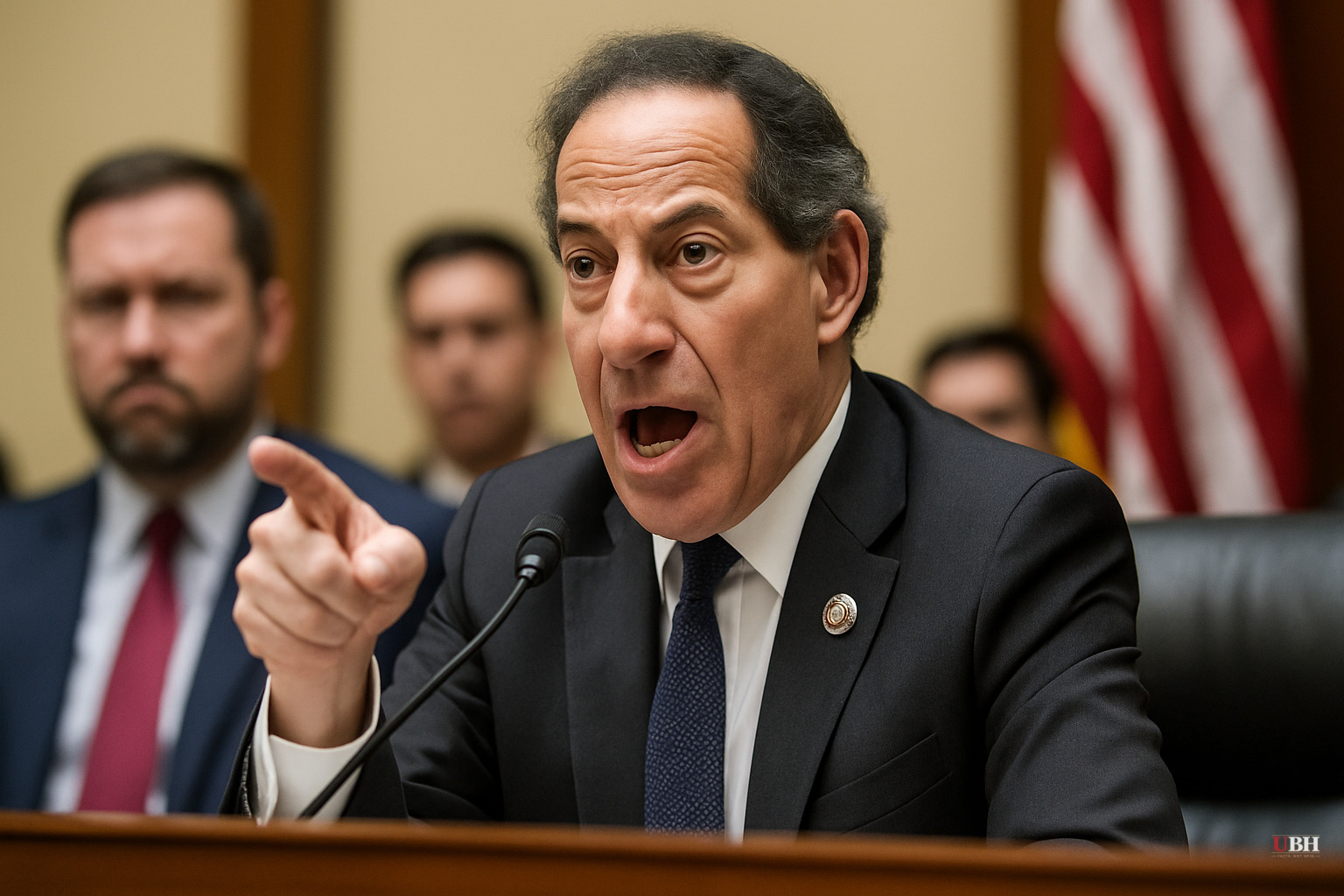
A scheduled hearing on sanctuary jurisdictions at the House Judiciary subcommittee turned into a full-on screaming match Tuesday, with Rep. Mike Lawler (R-NY) calling Rep. Jamie Raskin (D-MD) "a disgrace" and Raskin firing back, "You should get the hell out of here," according to Particle News. Lawler ultimately stormed off.
Lawler had come to introduce a witness, not to testify. Committee members cut him off when he began criticizing sanctuary city policies directly, arguing he was exceeding his limited procedural role. Lawler pressed on anyway, pointing to the death of Sheridan Gorman as evidence that cities shielding undocumented immigrants from federal enforcement cost American lives. He said cities such as New York and Chicago ignore federal immigration law and provide a safe haven for criminals.
The exchange escalated when Raskin pushed Lawler to condemn the January Minneapolis shootings of Alex Pretti and Renee Good. Lawler's response: he had already written a New York Times opinion piece about those deaths, published in January, in which he described both cases as "tragic and preventable" and called for comprehensive immigration reform.
"So while some of my colleagues may not want to hear the truth, the same outrage you feel about Renee Good and Alex Pretti, you should feel about Sheridan Gorman and Laken Riley and every angel family in this country," Lawler said, according to Breitbart's transcript of the exchange.
Raskin replied that he did feel that outrage. Lawler's comeback: "You do not, because if you did, you would not support sanctuary jurisdictions. You should be ashamed of yourself, Jamie. You're a disgrace."
The underlying policy dispute
Sanctuary jurisdictions — cities and counties that limit cooperation with federal immigration enforcement — were the focus of the hearing. Lawler's argument was concrete: specific named individuals — Sheridan Gorman, Laken Riley, Alex Pretti, Renee Good — died in cases where, he argues, federal immigration enforcement could have intervened if local jurisdictions had cooperated.
What the hearing produced
Particle News noted that coverage has focused almost entirely on the on-camera confrontation rather than any new policy action. No formal committee discipline has been announced. No legislation was advanced.
The procedural breach Lawler committed — using his witness-introduction slot to deliver a policy argument — drew objections from committee members before Raskin and Lawler even got to each other. The fireworks began partly because Lawler was already out of bounds on process.
Two politicians, two sets of victims
Both men were invoking real people who died in real crimes. Raskin pushed Lawler on the Minneapolis shootings of Alex Pretti and Renee Good. Lawler invoked Sheridan Gorman and Laken Riley. Both demanded the other feel the same outrage they claimed to feel.
Lawler's op-ed in the New York Times does establish that he wrote about Pretti and Good's deaths, so the charge that he ignored those victims doesn't hold up. Whether that op-ed constitutes an adequate policy response is a separate argument.
Next steps
Particle News flagged the episode as one that "may increase scrutiny of hearing rules and decorum going forward." No committee chair statement on that question had been reported as of this writing.
Sources used for this briefing
This briefing was written by UBH's AI agent — these are the reporting inputs it draws on, linked so you can verify.


