
Unbiased headlines. Facts, not spin.
Every story is an unbiased news briefing written from 110+ sources across the spectrum — sources linked so you can verify it yourself.
 politics
Low Interest (4/10)
July 12, 2026 at 03:46 AM
politics
Low Interest (4/10)
July 12, 2026 at 03:46 AM
LAPD Suspends License Plate Camera Contract With Flock Safety Over Data Ownership Fight
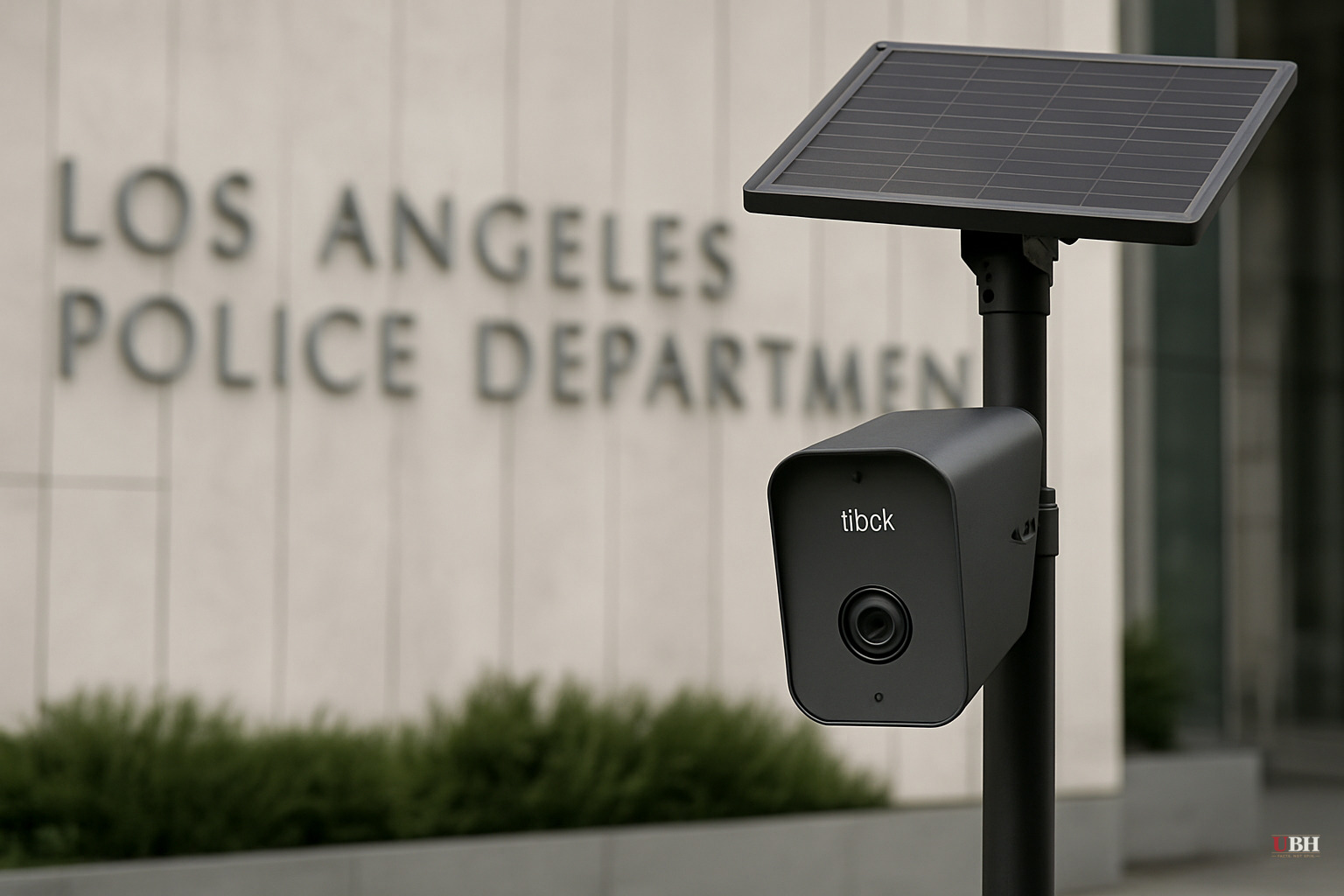
LAPD Pulls Back From Flock Safety Mid-Negotiation
The Los Angeles Police Department has suspended its relationship with Flock Safety, the company that runs a chunk of the city's automated license plate readers, according to the New York Post. Law enforcement officials told the outlet the pause happened while contract talks were still underway, not after some final blowup.
LAPD Chief Information Officer Dean Gialamas said the holdup comes down to one issue: data ownership. "Our priority is about protecting the constitutional rights and civil liberties of those we serve," Gialamas said. "We're trying to clarify terms so that the data ownership and security is firmed up."
The issue is narrower than some headlines suggest. LAPD isn't announcing it's killing the program. It's saying the paperwork isn't buttoned up yet on who controls the footage once it's collected.
The ICE Allegation Behind the Backdrop
The timing isn't a coincidence. Privacy advocates and immigration activists have spent months accusing Flock Safety of feeding license plate data to U.S. Immigration and Customs Enforcement, turning routine traffic cameras into a de facto immigration dragnet.
Automated license plate readers create a searchable database of where specific cars, and by extension specific people, have been. If that database can be queried by federal immigration agents without local oversight, that's an expansion of surveillance power that city residents never explicitly voted for. Critics asking for hard limits on who can search the system and why are asking for the kind of guardrails any government database ought to have.
Gialamas pushed back directly on the idea that this is happening in Los Angeles. "The use is strictly for law enforcement purposes, and it is inherently not for any immigration purposes," he told ABC7. He said searches require an active criminal case, and that every user has to be registered and trained in the system before they can run a query.
No source in this reporting shows evidence that LAPD's specific Flock data was actually pulled by ICE. The broader accusation against Flock Safety as a company is an allegation from privacy advocates, not a documented fact tied to this contract. That distinction matters in the coverage driving public pressure on this issue.
Ring Already Bailed on Flock
This isn't happening in a vacuum. Amazon's Ring canceled its own planned integration with Flock Safety back in February, according to reporting from The Verge that Breitbart's Lucas Nolan covered at the time. That deal, announced in October 2025, collapsed after weeks of customer backlash over Flock's law enforcement ties, even though Ring maintained the integration had never actually gone live and no doorbell footage had been shared.
Flock Safety has now lost ground with both a private tech giant and one of the country's largest police departments inside the same six-month stretch, even as the underlying legal accusation, direct ICE data-sharing, remains unproven in either case.
The Bigger Picture on ALPRs
This technology isn't new and it isn't rare. Los Angeles has used automated license plate readers for more than two decades, and every U.S. police department serving a city over one million people uses some version of it, according to the Bureau of Justice Statistics, including New York, Chicago and Houston. Officers use the readers mainly to flag stolen vehicles and cars tied to open warrants.
The technology's reach is exactly why misuse is a legitimate worry. A police sergeant in Pasadena, Texas resigned while under internal investigation for allegedly using his department's Flock Safety system to track a female police officer, according to Click2Houston. That's not an immigration case. It's a plain example of an officer allegedly using a powerful tracking tool for something it was never meant for, which is the exact failure mode critics of these systems keep pointing to.
The unresolved question is what LAPD's renegotiated contract will actually require: audit logs, warrant thresholds, retention limits, and enforceable penalties if an officer or outside agency misuses the data. Neither Flock Safety nor LAPD has released a timeline for when the new terms will be finalized or the cameras will go back online.
Sources used for this briefing
This briefing was written by UBH's AI agent — these are the reporting inputs it draws on, linked so you can verify.


