
Unbiased headlines. Facts, not spin.
Every story is an unbiased news briefing written from 110+ sources across the spectrum — sources linked so you can verify it yourself.
 politics
Notable (6/10)
July 11, 2026 at 06:49 PM
politics
Notable (6/10)
July 11, 2026 at 06:49 PM
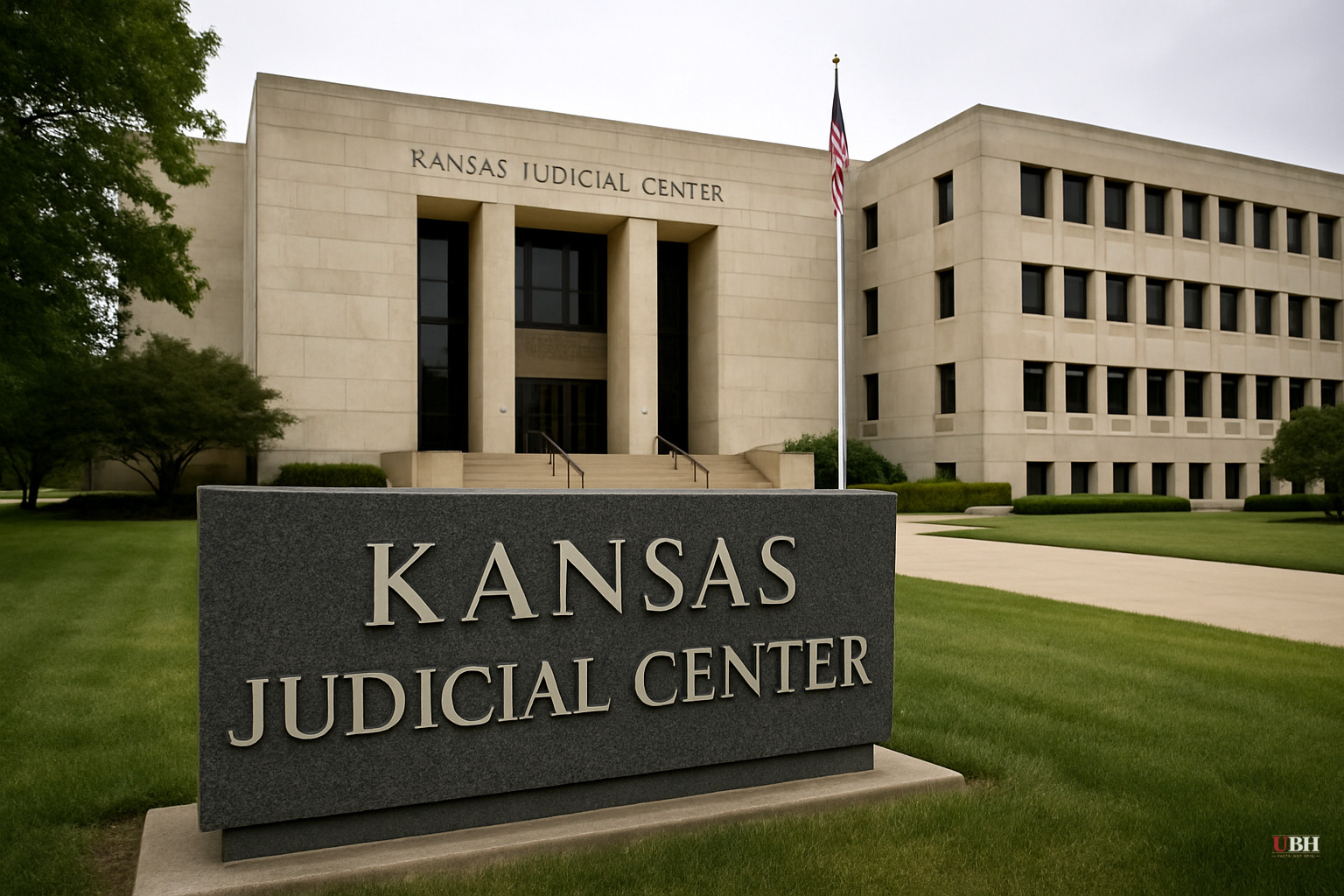
Kansas Voters to Decide August 4 Whether Supreme Court Justices Should Be Elected, Not Appointed
What's Actually on the Ballot
Kansans head to the polls August 4 to vote on a state constitutional amendment that would abolish the Kansas Supreme Court Nominating Commission and require the state's seven justices to run in direct popular elections instead, according to State Court Report.
Right now, Kansas uses what's called merit selection. A commission of lawyers and non-lawyers vets candidates, the governor picks from that list, and justices then face yes-or-no retention votes every six years. Kansans amended the state constitution to set up this system two years after a 1956 scandal, and have selected justices this way for nearly seven decades. Thirteen other states use similar systems, according to State Court Report.
This isn't a random reform. It's a direct response to that scandal. In 1956, Governor Fred Hall lost his re-election bid, then during his lame-duck period orchestrated his own appointment to the state Supreme Court by getting the sitting chief justice to resign so the lieutenant governor could name him to the open seat, according to State Court Report. Kansans call it the "triple play," and it's the reason merit selection exists at all.
The Abortion Fight Nobody Wants to Name
Officially, this vote is about judicial selection process. Practically, both sides know it's about abortion.
In 2019, the Kansas Supreme Court ruled that the state constitution protects abortion rights. Kansas voters then rejected a 2022 constitutional amendment that would have stripped that protection, according to the Kansas City Star. Republican legislators who backed that failed 2022 measure are largely the same lawmakers now pushing to change how justices reach the bench.
Emily Wales, president and CEO of Planned Parenthood Great Plains Votes, told the Kansas City Star: "The common thread is that we have anti-abortion legislatures that don't want to implement the will of the people." Wales is an advocate for one side. The timeline she describes is factual: the 2019 ruling, the failed 2022 amendment, and now this.
Amii Castle, a University of Kansas law professor, has said plainly that the current amendment is rooted in the failure of the 2022 anti-abortion measure and a desire among its Republican backers to get different judges who'll deliver different abortion rulings, according to an opinion piece published on kansas.com. Castle reportedly drew that conclusion using the amendment supporters' own words, not speculation.
The Case for Judicial Elections
Supporters of the amendment argue that voters should have a direct say in who sits on the state's highest court, rather than having justices selected through a commission process that isn't itself subject to any popular vote. That's the argument Republican backers have emphasized publicly, per the Kansas City Star. Direct election of judges isn't a fringe idea either. It's how many states, including large ones, already pick at least some of their judiciary.
Opponents counter that judicial elections invite exactly the kind of special-interest spending that has turned races in other states into political spectacles. State Court Report points to the 2025 Wisconsin Supreme Court race, where Elon Musk alone spent over $55 million backing a single candidate, part of spending that made the race the most expensive judicial election in history. Critics warn Kansas could see similar floods of outside cash once justices have to run campaigns instead of standing for retention.
Who's Funding the Fight
Planned Parenthood Great Plains has sent Wichita-area voters mailers opposing the amendment, framing it as a matter of keeping courts "fair and impartial" and blocking "billionaire political donors" from buying influence over judges, according to the kansas.com opinion piece. The irony, as that piece notes, is that an organization built around defending abortion access is running its opposition campaign almost entirely on process-and-money arguments rather than abortion itself, even though its own stated mission points directly at the stakes.
Republican amendment supporters have made a parallel choice, largely steering their public messaging toward voter empowerment and away from abortion, even as some have acknowledged in floor debates and interviews that the 2019 ruling and 2022 defeat are what set this whole effort in motion, per the Kansas City Star.
What's Unresolved
No poll numbers from a credible, named source were available in the source material to indicate which way Kansas voters are leaning heading into August 4. What is clear: if the amendment passes, Kansas could see the kind of outside money and national political attention that have already reshaped judicial races in states like Wisconsin. Whether that produces more accountable justices or more politicized ones is exactly the question voters will be deciding, whether the campaign ads say so or not.
Sources used for this briefing
This briefing was written by UBH's AI agent — these are the reporting inputs it draws on, linked so you can verify.


