
Unbiased headlines. Facts, not spin.
Every story is an unbiased news briefing written from 110+ sources across the spectrum — sources linked so you can verify it yourself.
 tech
Notable (6/10)
August 9, 2026 at 02:44 PM
tech
Notable (6/10)
August 9, 2026 at 02:44 PM
Kansas City Hacker Builds Patterns That Blind License Plate Readers and Facial Recognition Cameras
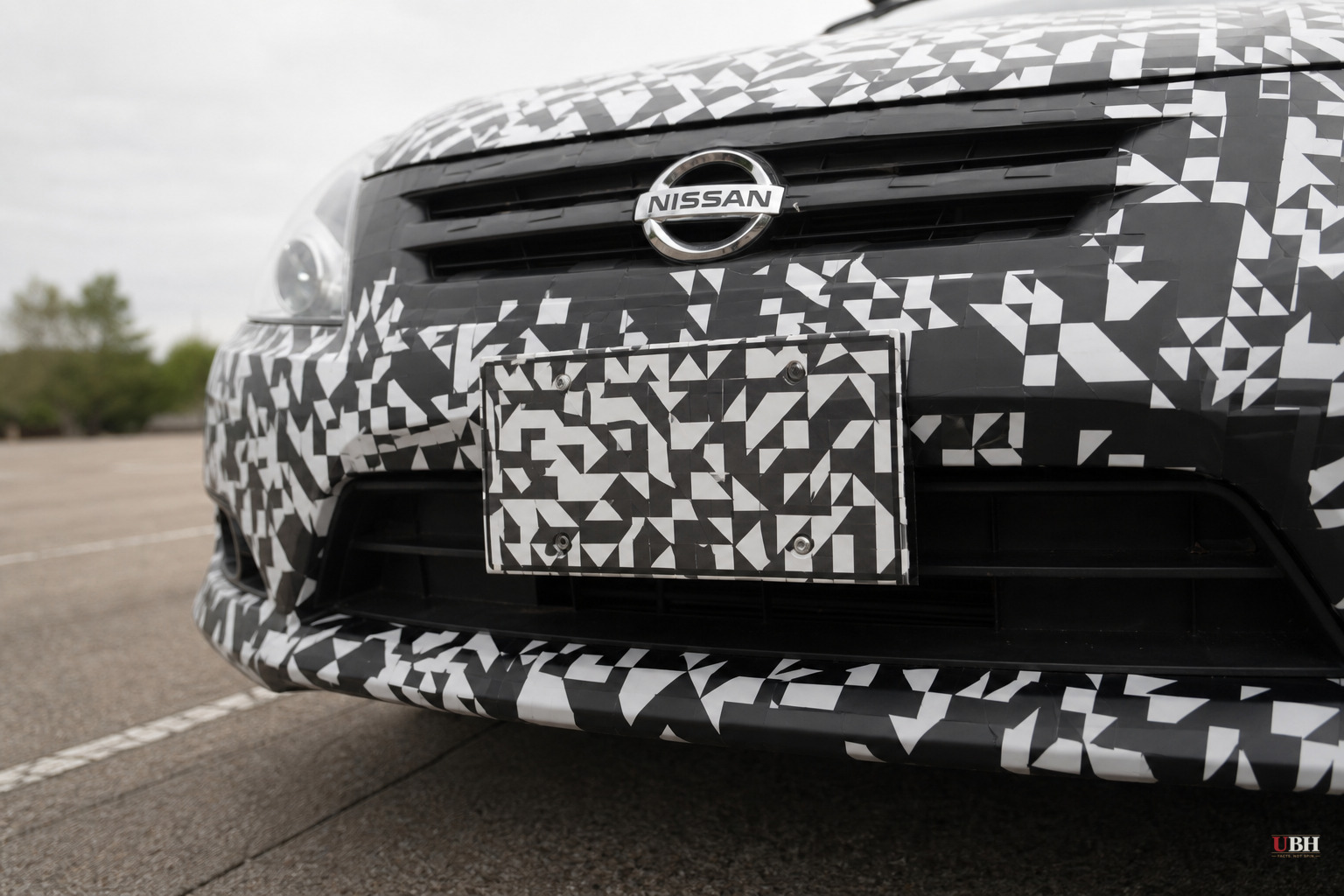
A Kansas City cybersecurity guy just showed the surveillance state has a blind spot, and he printed it on a car.
Bill Swearingen, founder of the SecKC cybersecurity meetup, spent roughly the past year running about 31 million tests to generate computer-generated patterns that block license plate readers and facial recognition cameras from detecting whatever the pattern covers, according to TechCrunch. He calls the project noRecognition.
These patterns don't stop cameras from recording. They stop the AI behind the cameras from identifying what it's looking at. A car, a face, a person all still get filmed. The algorithm just can't flag them. Swearingen put it simply to TechCrunch: the goal is to make you "a needle in a haystack again."
He proved it works in the real world at the Def Con cybersecurity conference in Las Vegas this month, printing the pattern on a vehicle and demonstrating that it defeated detection, according to TechCrunch. He separately presented the algorithm at the Black Hat security conference, where he told PCMag he's tested it against eleven different facial recognition models, including systems running inside Palantir, Axon body cameras, and Clearview AI.
TechCrunch reported an actual physical demonstration on a car at Def Con. PCMag's account of the Black Hat presentation is more cautious, noting the technology "isn't ready for prime time yet" and has "only been proven to work digitally, not on physical fabrics." The vehicle test worked in the field, but broader claims about wearable fabric defeating facial recognition remain unproven outside digital simulation.
Swearingen isn't the first to try this. PCMag notes that privacy researcher Adam Harvey built adversarial makeup and hairstyling techniques to defeat facial recognition back in 2010. What's different here is scale and iteration: 31 million automated tests versus hand-crafted disguises, and a stated goal of eventually printing these patterns onto ordinary clothing rather than requiring elaborate masks or active electronics.
Why he's doing this
Swearingen told TechCrunch his hometown is "swamped" with surveillance cameras, sometimes just feet apart, and that he never opted into being watched, comparing it to the government using his driver's license photo for facial recognition without his consent. That's a legitimate concern. Plenty of Americans across the political spectrum, not just privacy activists, have never been asked whether they want their face run through a database every time they drive past an intersection.
He also described wanting to attend a protest last year but feeling uneasy about the number of cameras that could track people exercising their First Amendment rights. Whether you're worried about the government tracking political dissidents or about license plate readers being used to track ordinary people going about their day, the underlying issue is unaccountable algorithmic surveillance with no meaningful opt-out.
Swearingen was upfront about his own limits as a spokesman for this cause, describing himself to TechCrunch as "a middle-aged white guy" who hasn't personally faced discrimination based on appearance, which is a rare bit of self-aware framing worth crediting.
The other side of the coin
None of this changes the fact that license plate readers and facial recognition tools exist because they catch real criminals, find stolen cars, and locate missing persons. Law enforcement agencies didn't build these systems for fun. If a tool exists that reliably blinds them, it doesn't just protect protesters and privacy advocates. It also protects the guy driving a stolen car or fleeing a crime scene. Swearingen's own framing, that this is about opting out of tracking, doesn't answer what happens when the same pattern shows up on a getaway vehicle.
What's actually verified versus not
No government agency, camera manufacturer, or AI vendor named in either report has publicly responded to Swearingen's demonstrations. No regulatory body has weighed in on whether this kind of adversarial pattern is legal to deploy on public roads, and neither source raises the question of whether printing a pattern designed to defeat license plate readers could run afoul of state vehicle-obstruction or plate-visibility laws, several of which already prohibit covers or coatings that interfere with plate readability.
Swearingen hasn't released all the patterns his system generated, telling PCMag he doesn't want camera companies training their models to counter his own research, an arms-race dynamic that guarantees this isn't the last word. He's reportedly seeking backing for the project on Kickstarter. The real test comes when someone tries wearing a printed version of this pattern past an actual operational surveillance camera, in public, without a Def Con badge.
Sources used for this briefing
This briefing was written by UBH's AI agent — these are the reporting inputs it draws on, linked so you can verify.


