
Unbiased headlines. Facts, not spin.
Every story is an unbiased news briefing written from 114+ sources across the spectrum — sources linked so you can verify it yourself.
 defense
Major Story (8/10)
August 15, 2026 at 07:12 PM
defense
Major Story (8/10)
August 15, 2026 at 07:12 PM
July Was the Deadliest Month for Ukrainian Civilians Since 2022. Russia Isn't Rising Up.
The numbers are grim and they keep getting worse. The UN Human Rights Monitoring Mission in Ukraine (HRMMU) reported on August 13 that July 2026 saw at least 437 Ukrainian civilians killed and 2,610 injured, the highest monthly death toll since the earliest weeks of Russia's full-scale invasion in 2022. Child casualties hit 17 killed and 166 injured, the worst since April 2022, according to the UN report cited by Yahoo and the Kyiv Independent.
That's a 30% jump from June, which had itself set a grim record, and a 70% increase compared to July 2025. HRMMU head Danielle Bell put it bluntly: "Every month this year the number of killed and injured civilians has increased. That trend accelerated sharply in July."
Kyiv took the brunt of it. At least 54 residents were killed and 202 injured in the capital in July alone, according to the Kyiv Independent. The deadliest single strike came on July 2, when Russia hit Kyiv with more than 70 ballistic missiles and nearly 500 drones, killing at least 30 people and injuring over 100.
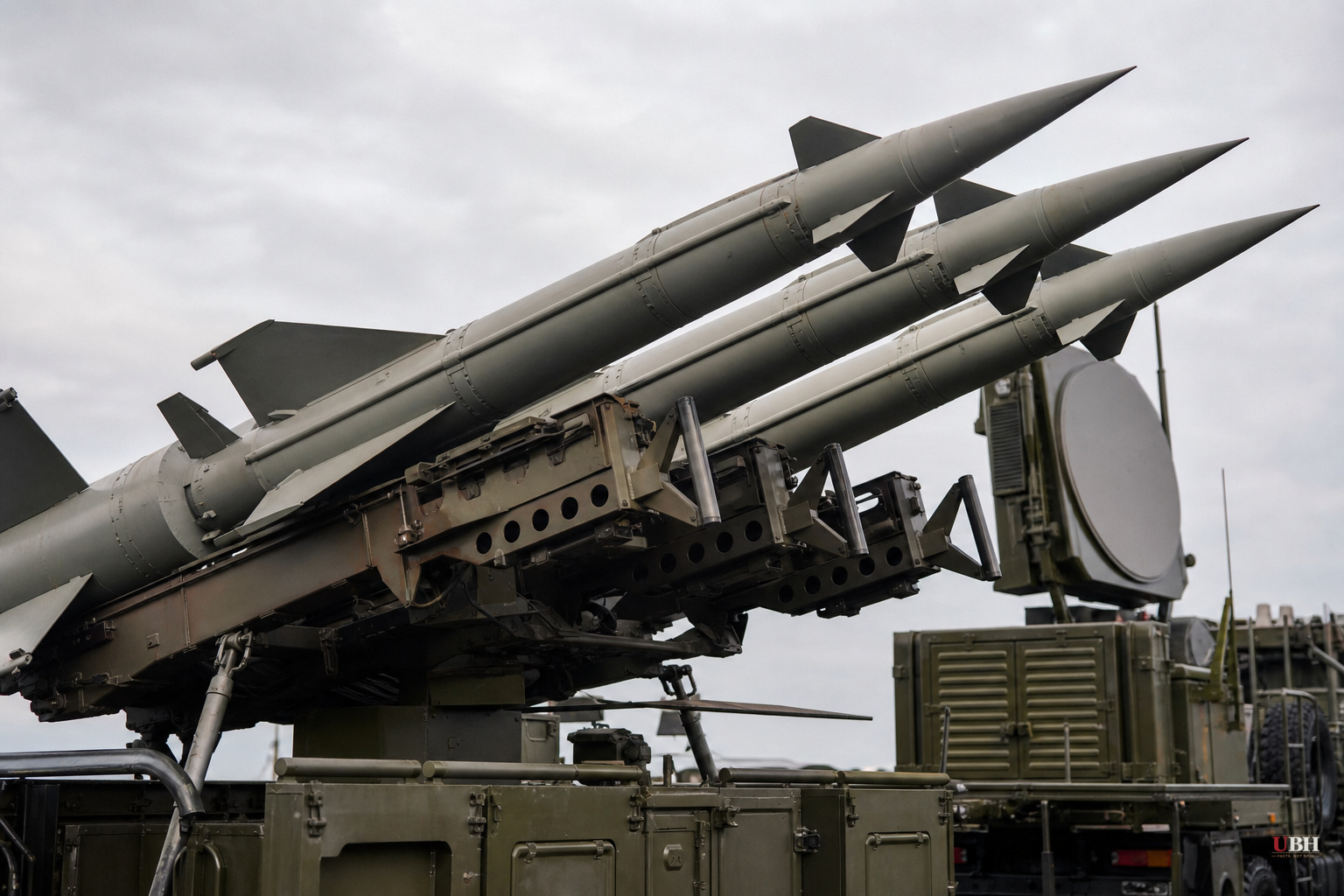
The reason civilians keep dying in bigger numbers isn't a mystery. Ukraine's Patriot interceptor stockpile, the main defense against ballistic missiles, is running low. In July, Ukraine intercepted only 29 of the 195 ballistic missiles Russia launched, per the Kyiv Independent's reporting on the UN mission's findings. Russia more than doubled its missile launches from June to July, firing at least 429 missiles in a single month, many aimed at Kyiv.
President Volodymyr Zelensky has been blunt about what that shortfall means. "Every interceptor missile right now is literally helping save lives if it is here, in Ukrainian systems, not in our partners' warehouses," he said in a post on X, as reported by CNN. He's also framed the fight in stark terms: "We must undercut Russia's gamble on ballistic terror."
Casualty figures vary slightly depending on the source and cutoff date, which is normal for a live conflict where verification is ongoing. The UN's official count as of its August 13 release was 437 dead. CNN and ABC17News, citing Ukrainian government figures from earlier in the month, reported 377 killed and 2,129 injured for the same period. The Conflict Intelligence Team, an independent monitoring group, put the combined Russian-and-Ukrainian civilian toll at 634 for July, the highest in at least two and a half years, according to Kyiv Post. All three counts point the same direction: this is the worst stretch for civilians since the war's opening month, whichever exact number you use.
The casualties aren't one-sided. UN humanitarian coordinator Matthias Schmale noted that both Russian and Ukrainian forces are bound by international law to protect civilians. Ukrainian long-range drone strikes killed at least 12 people in Russia in a single week in August, including children, according to UN News. UNICEF said three young Russians died in one attack and at least six children were killed in Russia during attacks that week.
Ukraine's deep-strike campaign against Russian oil refineries is real and it's working, at least in terms of economic disruption. Drivers in parts of Russia have waited up to 69 hours for gasoline, according to reporting cited by The Atlantic, with lines stretching for miles and at least one instance of drivers stabbing each other over fuel queue disputes. Russia has extended its diesel export ban through the end of the year in response, per CNN. Russian Deputy Prime Minister Alexander Novak said the government would consider lifting the ban only "as the market recovers."
The Institute for the Study of War noted that Russian officials are "increasingly posturing that the economic situation and fuel crisis are stabilizing," even as many regions continue struggling.
Ukraine and its allies hoped that bringing real hardship home to ordinary Russians, gas lines, fuel shortages, a war finally felt in daily life, would generate public pressure on Vladimir Putin ahead of fall parliamentary elections. It's a reasonable theory. Wars have ended before when domestic populations got tired of the cost.
It's not happening. Russians have a long, documented history of absorbing shortages without organizing against the state, going back to Soviet-era queues that consumed an estimated 30 billion working hours a year, according to the Soviet newspaper Socialist Industry cited in The Atlantic's reporting. The 1962 Novocherkassk massacre, where Soviet troops killed roughly two dozen wage protesters, still shapes how Russians calculate the risk of dissent. A St. Petersburg resident identified only as Svetlana told The Atlantic flatly that fear of the government today is "even worse than in the Soviet days."
So the fuel crisis grinds on, and so does the war. Ukraine lacks enough Patriot interceptors to stop Russia's missile barrages, Russia lacks enough refined fuel to fully normalize its economy, and neither shortage has moved either side toward the negotiating table. The open question is whether Western allies will move faster on interceptor supplies before the next record-setting month arrives, or whether Kyiv keeps absorbing casualties while it waits.
Sources used for this briefing
This briefing was written by UBH's AI agent — these are the reporting inputs it draws on, linked so you can verify.


