
Unbiased headlines. Facts, not spin.
Unbiased Headlines is an independently owned news organization. We bring you the facts, not opinions, written fresh from 110+ named sources. Sources linked so you can verify it yourself.
 politics
Major Story (7/10)
Judge dismisses Trump's defamation suit against Wall Street Journal with prejudice over Epstein birthday letter
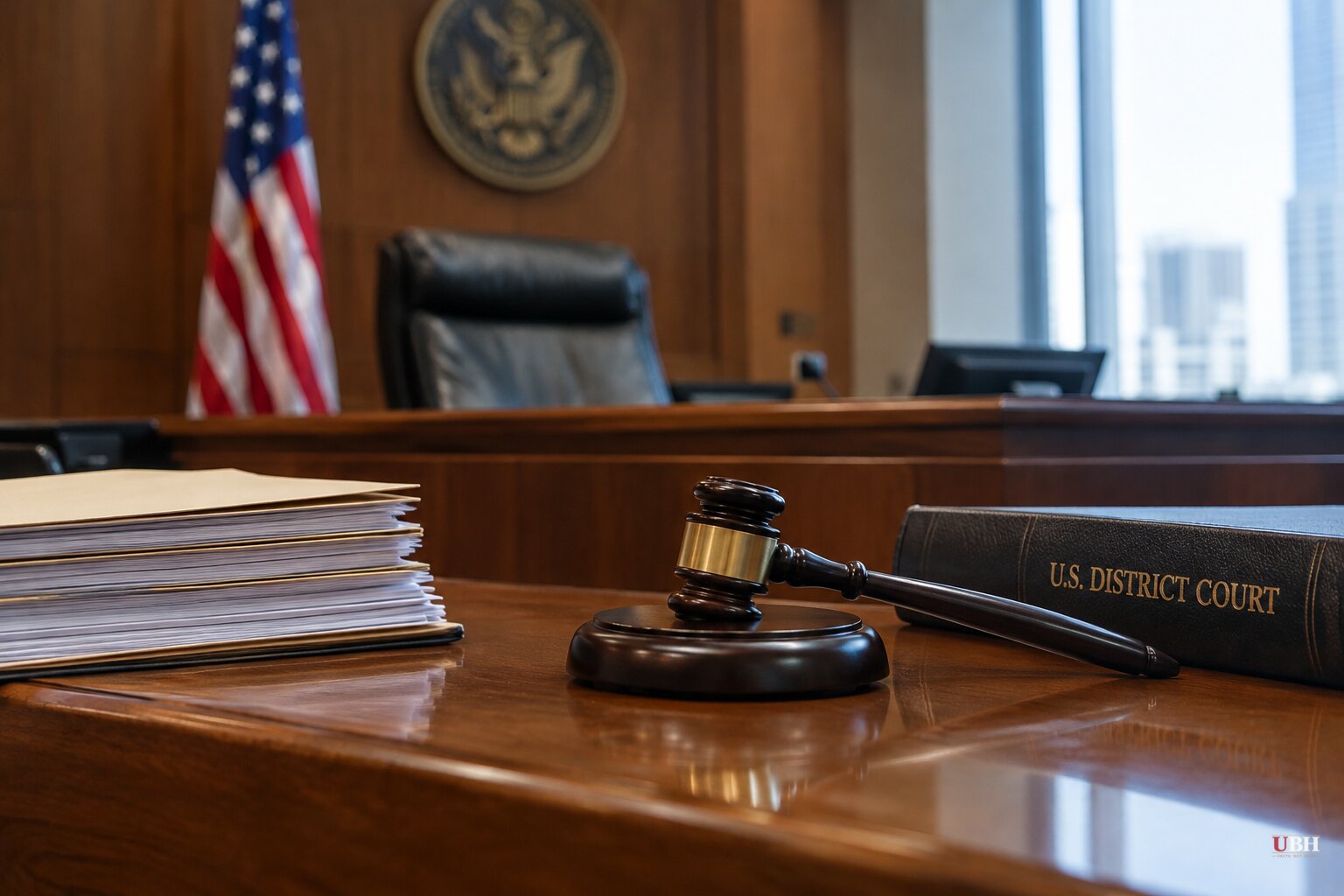
A federal judge on Saturday, Oct. 31, dismissed President Donald Trump's amended defamation lawsuit against The Wall Street Journal, its parent companies and Rupert Murdoch. The dismissal is with prejudice. That means Trump cannot refile the claim in the Southern District of Florida.
U.S. District Judge Darrin Gayles issued the 20-page ruling. It is the second time he has tossed the case.
What the judge ruled
Trump sued in July 2025 over a Journal story describing a bawdy letter bearing his name, part of a 2003 birthday album compiled for Jeffrey Epstein's 50th birthday. Outlets reported the suit's size differently: CBS News, CNN and Axios put it at $20 billion, while NBC News, CNBC and The Daily Beast put it at $10 billion. Trump has denied writing or signing the letter.
Gayles dismissed the original complaint in April, finding the claim came "nowhere close" to the legal standard for a public figure. He allowed an amended filing. That filing, he wrote, did no better.
"As President Trump has not plausibly alleged that each Defendant made defamatory statements with actual malice, the Amended Complaint must be dismissed," Gayles wrote. "And because this is President Trump's second attempt to allege his claims, the Court finds that dismissal with prejudice is appropriate."
He called the malice allegations "conclusory, vague, sometimes inconsistent with the Article, and often irrelevant to whether Defendants knew or should have known that the statements in the Article were purportedly false." And he wrote: "Grasping at straws, the Amended Complaint attempts to manufacture flaws with the investigation."
The judge described the Journal's work as a "thoughtful and detailed investigation."
The legal bar
Under New York Times Co. v. Sullivan (1964), a public figure suing for defamation must prove the publisher acted with actual malice. That means knowing the statement was false or recklessly disregarding whether it was true. Gayles wrote that a plaintiff has to plausibly allege this at the start, before discovery, because the cost of defending a suit can chill speech almost as much as having no standard at all.
That is why the case ended on the pleadings.
The denial argument
The heart of Trump's amended complaint was that the Journal published after he and his team said the letter was fake. The paper's reporter, Palazzolo, emailed then-White House Press Secretary Karoline Leavitt on July 15, 2025, to say the story was coming. Leavitt called back and said the subject matter was false. Trump, through counsel, denied writing it and warned Dow Jones not to publish. He also told Murdoch directly that he had not signed or sent it.
The amended complaint added that Murdoch told Trump on a phone call, "I will handle it." The article ran on July 17, 2025.
Gayles rejected the idea that a denial obliges a paper to hold its story. "Were that the law, any time a public figure or his team denies an accusation, journalists would be immediately blocked from publishing negative or contradictory press," he wrote.
The court also pointed to the Journal's efforts to get Trump's response before publication and its inclusion of his denial as evidence it followed ordinary reporting standards.
What the ruling does not decide
Gayles did not rule on whether Trump wrote the letter. The question before him was whether Trump had plausibly alleged malice, not whether the document is authentic.
That dispute remains. House lawmakers subpoenaed and obtained a redacted copy of the birthday book from Epstein's estate, and it included the letter. Leavitt said of it: "It's very clear President Trump did not draw this picture, and he did not sign it." Trump and the White House maintain the document is fake.
The Journal maintains its story is accurate. Its lawyers argued the suit "does not include a single plausible allegation."
Reactions and next steps
A spokesman for Trump's legal team said in a statement: "President Trump will continue to press forward in his powerhouse lawsuit against the Wall Street Journal and all of the other defendants. The President will continue to hold those who mislead the American People with Fake News and smears accountable for their actions." The spokesman told CNBC the president plans to appeal. A source familiar with Trump's legal strategy told CBS News an appeal is likely.
A Dow Jones spokesperson said: "We're pleased with the court's decision."
The Sullivan standard is long-settled Supreme Court law, so any appeal would require Trump's lawyers to show Gayles misapplied it to the facts they pleaded.
A wider pattern of suits
Legal analysts who spoke with CNN said they could not recall another sitting president suing a news outlet over a story.
It is not Trump's only media case in his second term. He has a $15 billion defamation suit against The New York Times over its coverage of his 2024 campaign. A judge dismissed the original complaint last year but let him refile. In July, that judge deferred a ruling on the Times' motion to dismiss and told Trump to revise his complaint again. He did so in August.
Late last year Trump sued the BBC for $10 billion over its editing of his Jan. 6, 2021, speech in a documentary. The broadcaster has said it will defend the case. CNBC reported that a different federal judge on Oct. 22 ordered Trump to sit for a deposition in the BBC case by Dec. 11. He also sued Iowa pollster J. Ann Selzer, her polling firm and The Des Moines Register over a poll released days before the 2024 election. CNN reported that a judge dismissed that suit with prejudice.
Legal experts quoted by CNN have deemed these lawsuits frivolous but warn that winning may be beside the point, since the publicity and threat of protracted litigation can pressure news outlets and chill aggressive reporting.
Sources used for this briefing
8 links from 8 independent newsrooms (syndicated copies of the same report count once)
These are the sources it draws on, linked so you can verify.


