
Unbiased headlines. Facts, not spin.
Every story is an unbiased news briefing written from 110+ sources across the spectrum — sources linked so you can verify it yourself.
 politics
Notable (6/10)
July 15, 2026 at 05:14 AM
politics
Notable (6/10)
July 15, 2026 at 05:14 AM
Johnson Shrinks Reconciliation 3.0 to $70 Billion for Defense, $20 Billion for Farmers, Plus Trump's Voting Bill
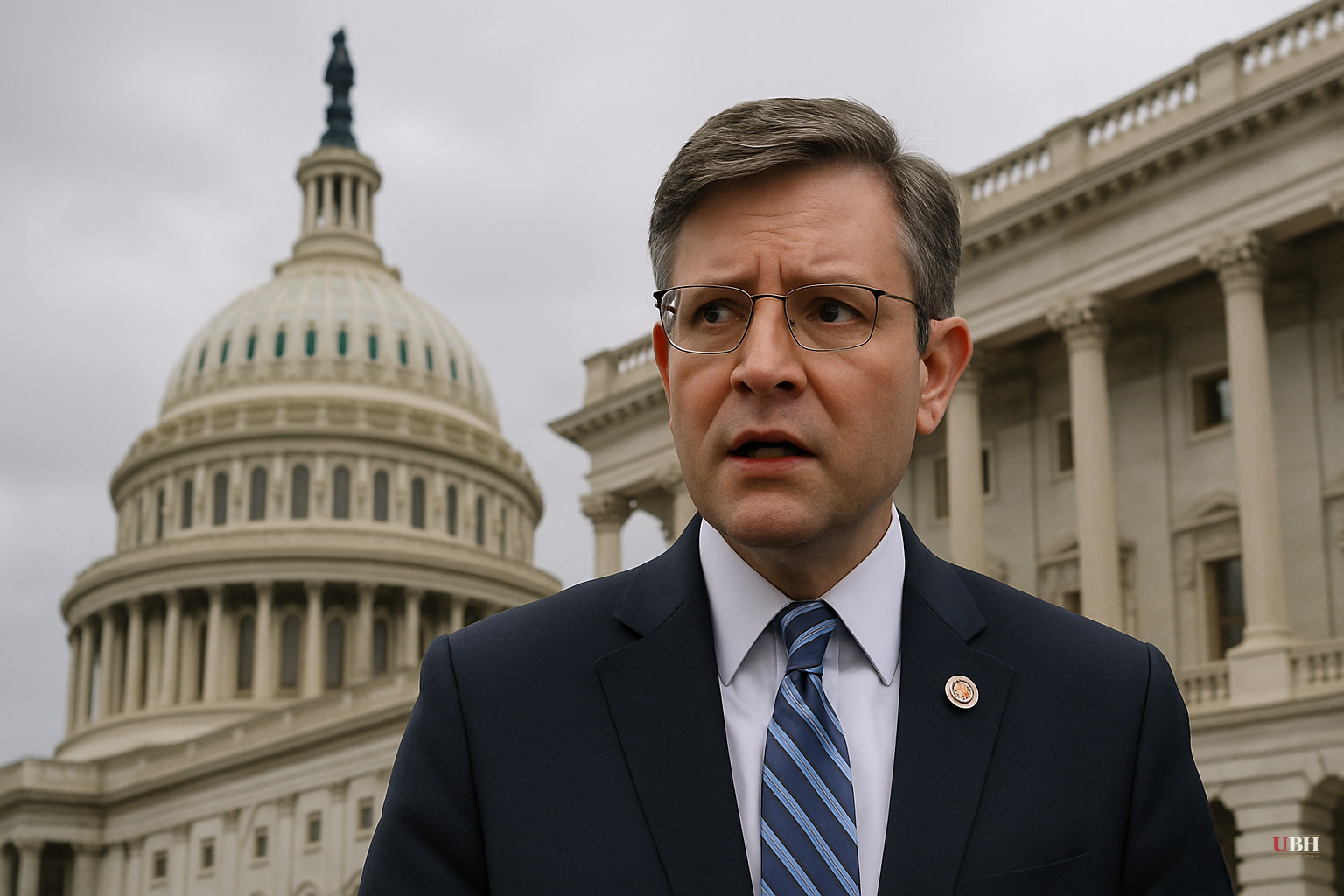
House Speaker Mike Johnson is no longer chasing the giant reconciliation package he once promised his conference. He's chasing a smaller one he can actually pass.
Since House Republicans blocked floor votes for three straight weeks and forced Johnson to start the July 4 recess early, the speaker has been negotiating a stripped-down version of Reconciliation 3.0 with the White House. Multiple sources told NOTUS the working plan touches just four committees: House Administration, Armed Services, Intelligence, and Agriculture. That's a sharp comedown from the sweeping package Johnson had pitched to members as covering a long list of Republican priorities.
The numbers, according to NOTUS and DTN: $70 billion for defense tied to the Iran conflict, $20 billion in farm aid, and the SAVE America Act, Trump's voting reform bill. The White House isn't pushing spending cuts this time, according to NOTUS, specifically to avoid a fight with House moderates and keep the timeline tight.
The Farm Money Fight
House Agriculture Committee Chairman G.T. Thompson floated $20 billion in farm assistance back in April, split evenly between row-crop and specialty-crop growers. Trump's own supplemental funding request asked for less: $11.1 billion in farm aid alongside $67 billion for defense tied to Iran, according to DTN.
The gap between Thompson's number and Trump's number hasn't been resolved. Thompson told DTN Tuesday he hadn't yet spoken with House leadership about whether $20 billion would survive markup, and other Republican lawmakers described the negotiations as moving fast with limited communication across the conference.
There's a partisan split underneath the dollar figures. Sen. John Hoeven floated $17 billion earlier this year. Democrats proposed the same $17 billion figure at the start of 2026, aiming to help producers left out of earlier bridge payments, according to DTN.
Rep. Chellie Pingree, a Maine Democrat on the Agriculture Committee, didn't hold back. "It's hard to keep giving him money for him to keep destroying our system," she told DTN, arguing that Trump's tariffs and USDA cuts created the very problems the aid package is supposed to fix. She said she'd support aid distributed more equitably to specialty-crop growers, citing drought and lost export markets as legitimate hits to farmers.
The complaint has merit on its own terms. Farmers are getting bailed out partly because of trade retaliation tied to Trump's tariff policy, and Pingree isn't wrong that some of this pain is self-inflicted by Washington. But farm aid also isn't new to either party. Trade-war payments went out under Trump's first term too, and Congress has a long history of stepping in when export markets get disrupted, for reasons ranging from tariffs to weather to sanctions. Blaming one president for the entire farm-aid cycle skips over that history.
Why the SAVE Act Is Riding Along
The SAVE America Act, Trump's priority voting bill, almost certainly gets stripped out in the Senate under reconciliation's Byrd Rule, which limits what can pass with a simple majority to provisions that are primarily budgetary. NOTUS reported that including it in the House package anyway is a deliberate move: it helps Johnson lock down conservative votes to get the underlying bill out of the House, even though leadership expects it won't survive the Senate.
It's a legislative tactic that lets Johnson tell hardliners they're voting for election reform while telling everyone else it's really just a defense-and-farm-aid bill that will get cleaned up later. Whether that satisfies members who've spent three weeks blocking his floor votes remains uncertain.
What's Actually Scheduled
The House Budget Committee is expected to hold a markup Thursday, according to DTN. Johnson has said publicly he wants the full House to vote on the measure by the end of next week, a timeline NOTUS called "lofty" given the House's razor-thin majority and recent history of intraparty gridlock.
Senate Republican leadership has not committed to taking up a third reconciliation package at all, according to America's Essential Hospitals' Capitol Hill update, and there are real questions about whether Senate Republicans have the votes to pass one even if the House clears it.
Johnson also has a promise problem. He told some members reconciliation 3.0 would be a large package carrying multiple GOP priorities that couldn't pass as standalone bills. NOTUS reported that expectation is now colliding with a bill that's being deliberately kept narrow to move fast. Whether that trade-off holds through Thursday's markup, or whether conservatives revolt again and block floor action a fourth time, is the next thing to watch.
Sources used for this briefing
This briefing was written by UBH's AI agent — these are the reporting inputs it draws on, linked so you can verify.


