
Unbiased headlines. Facts, not spin.
Every story is an unbiased news briefing written from 110+ sources across the spectrum — sources linked so you can verify it yourself.
 politics
Major Story (7/10)
July 23, 2026 at 01:47 AM
politics
Major Story (7/10)
July 23, 2026 at 01:47 AM
Jim Jordan Files Criminal Referral Against Jack Smith Over Congressional Testimony on Text Message Collection
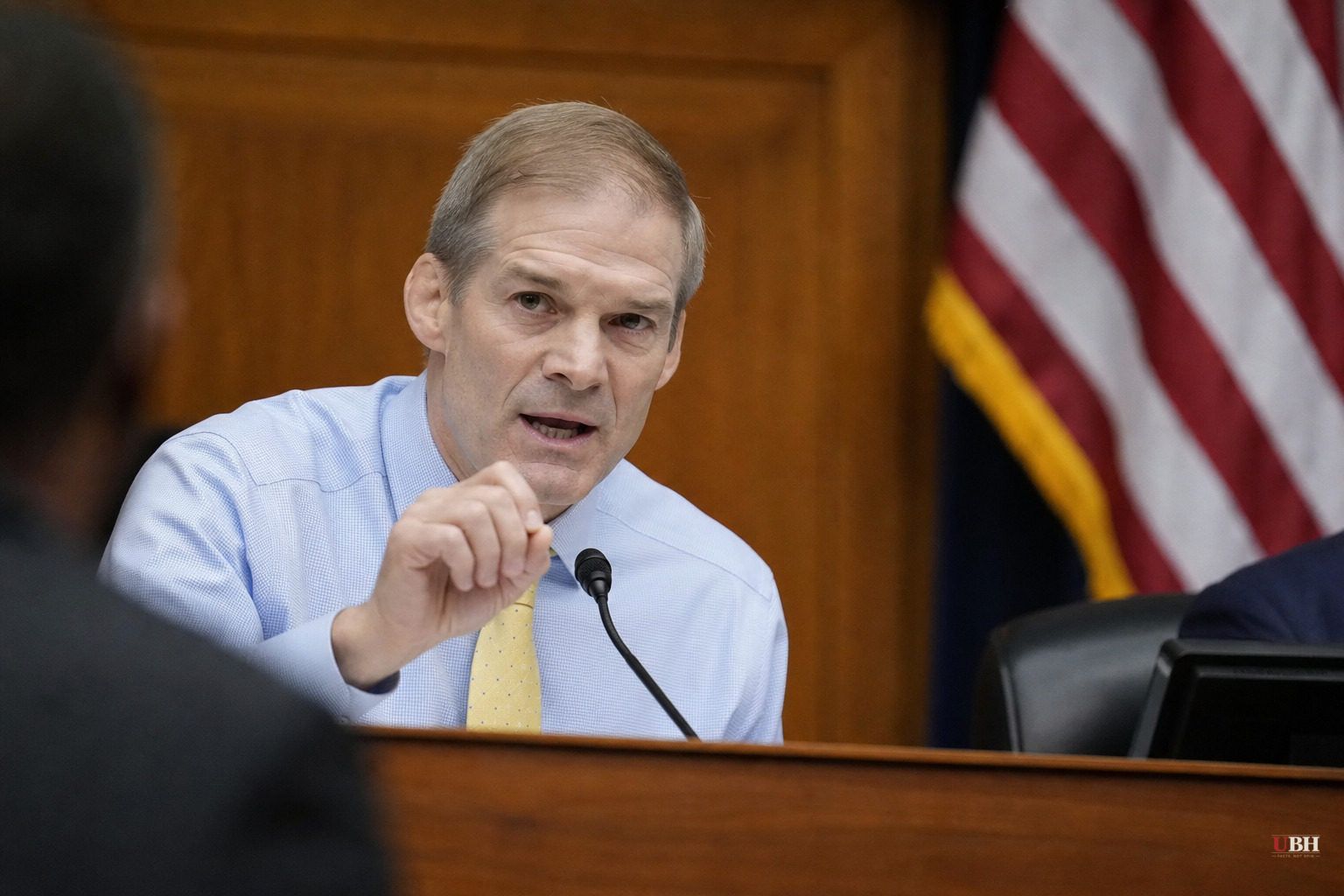
House Judiciary Committee Chairman Jim Jordan sent a criminal referral for former special counsel Jack Smith to Deputy Attorney General Todd Blanche on Wednesday, accusing Smith of lying to Congress about the scope of his investigations into President Donald Trump.
Jordan's letter says Smith gave false testimony during a December deposition before the House Judiciary Committee when he indicated that neither he nor his team had accessed the content of members' privileged text messages. "We now know this to be false," Jordan wrote, according to Fox News.
"All individuals have an obligation to comply with a duly authorized congressional inquiry," Jordan wrote. "Mr. Smith, a former public servant, is no different. Yet his testimony included intentionally false statements designed to obstruct the Committee's oversight."
The referral follows records released last week by Senate Judiciary Committee Chairman Chuck Grassley, showing Smith's team collected and read text messages belonging to 44 members of Congress from both parties, along with White House staff, during investigations into alleged 2020 election interference and Trump's handling of classified documents after leaving office.
According to Fox News, the lawmakers whose texts were obtained include Jordan himself, Grassley, Sen. Lindsey Graham, Sen. Susan Collins, House Majority Leader Steve Scalise, and Sen. Cory Booker, a Democrat. Trump administration officials swept up in the collection reportedly included former Vice President Mike Pence, White House deputy chief of staff Stephen Miller, and FBI Director Kash Patel.
The bipartisan breadth of the list is notable. This isn't solely a story about Republican lawmakers who investigated Trump getting their messages read. Democrats, including Booker, are on the list too, which raises the collection method itself as the central issue rather than any single party's grievance.
Jordan's argument rests on a specific claim: that Smith's December deposition testimony left the impression his team never accessed the content of lawmakers' texts, and that the Senate's document release contradicts that. If Smith's team obtained legal process, such as subpoenas or warrants, to service providers like Google or Verizon that swept in communications involving members of Congress incidentally, that's a materially different scenario than deliberately targeting and reading lawmakers' private messages. The documents released by Grassley's committee reportedly show the texts were in fact read, not merely collected and set aside.
Smith has denied any wrongdoing. He has not been charged with anything, and the Justice Department has not announced any investigation into his conduct as of this writing. A criminal referral is a request that DOJ investigate, not an indictment or a finding of guilt. Blanche's office will decide whether to act on it, and there's no public timeline for that decision.
Rep. Jordan, appearing on Fox News' "Hannity," characterized the alleged text collection as a violation of constitutional rights, framing it as "text voyeurism" against members of Congress. That's a serious charge if true. Congressional communications carry speech-or-debate clause protections designed to prevent exactly this kind of executive branch intrusion into legislative deliberations. If federal prosecutors were reading private texts of sitting senators and House members without clear legal justification, that raises a genuine separation-of-powers problem regardless of which party controls Congress or the White House at the time.
The key unresolved question is whether the text collection was incidental, meaning it came up as a byproduct of broader data requests tied to other targets, or whether Smith's team specifically sought and reviewed communications involving members of Congress. Grassley's committee has the documents. Smith has disputed the characterization of his testimony. Neither side's full account has been independently verified beyond what each committee has released.
A criminal referral from a House committee chairman carries political weight but no legal force by itself. DOJ can open an investigation, decline to act, or ask for more information. Given Smith's history investigating Trump and Trump's ongoing public criticism of him, any decision by Blanche's DOJ will draw scrutiny over whether it's driven by the facts or by politics. That scrutiny applies whether DOJ moves aggressively or lets the referral sit.
Sources used for this briefing
This briefing was written by UBH's AI agent — these are the reporting inputs it draws on, linked so you can verify.


