
Unbiased headlines. Facts, not spin.
Unbiased Headlines is an independently owned news organization. We bring you the facts, not opinions, written fresh from 110+ named sources. Sources linked so you can verify it yourself.
 sports
Low Interest (3/10)
sports
Low Interest (3/10)
Jets Returner Isaiah Williams Says He Battled Suicidal Thoughts After Falling From Star QB Recruit to Backup
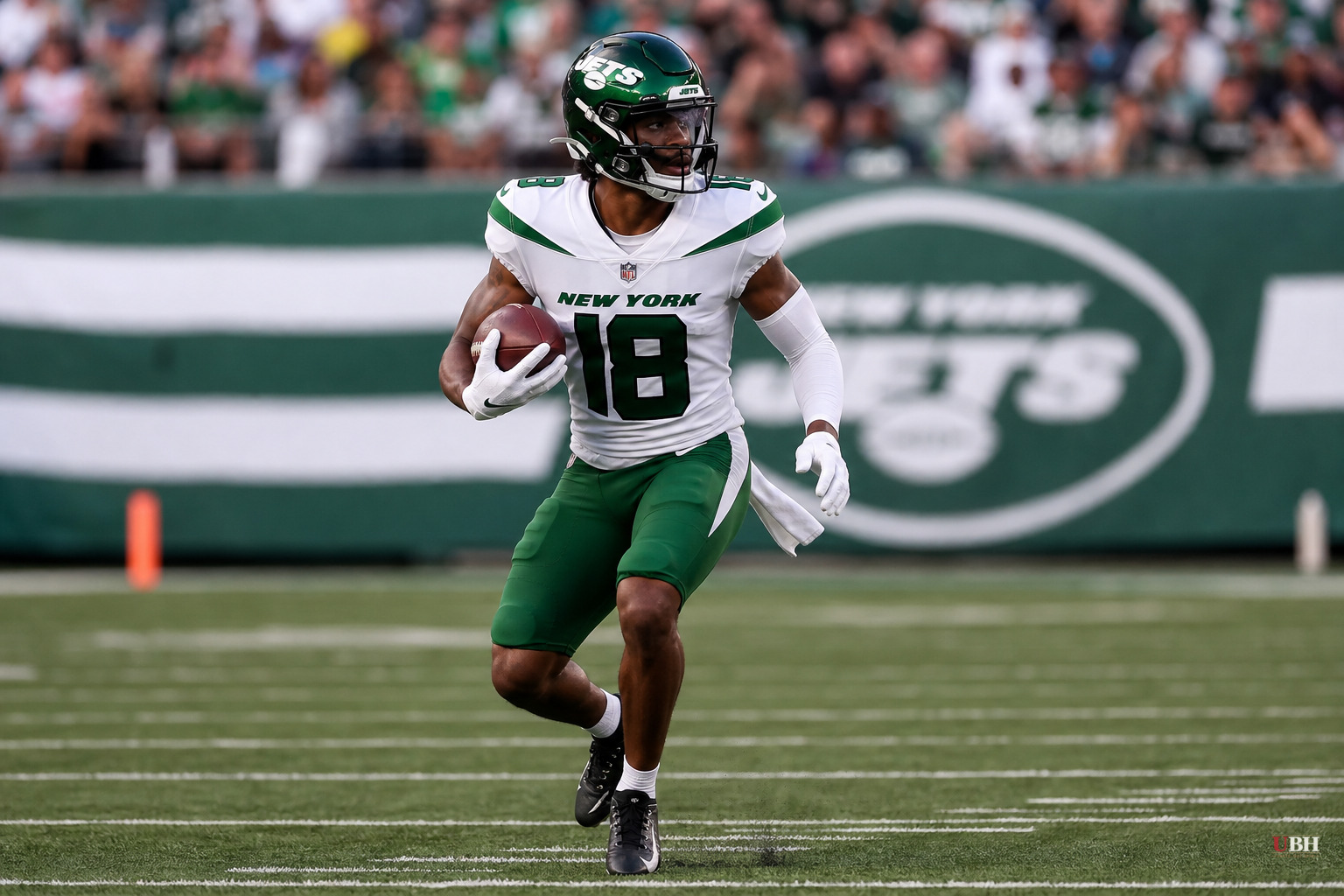
Isaiah Williams arrived at the University of Illinois as a big-time quarterback recruit. He left college as a wide receiver, and now he's fighting for a roster spot with the New York Jets as a kick return specialist.
In between, according to an interview with New York Post columnist Steve Serby, Williams went through a period of depression severe enough that he had suicidal thoughts.
A Freshman Year Reckoning
Williams told Serby the struggle started his freshman year at Illinois and peaked during his sophomore season. He described a physical breakdown that matched the mental one.
"I would go out to the field and somebody could be 5, 10 yards from me and I would throw the ball to the ground," Williams said. "It was almost like my body was paralyzed, like, I couldn't really do what I knew I could do."
He said he never considered himself "really suicidal," but the thoughts were real. "It was times where I would tell myself, 'I would rather not wake up and have to go do what I gotta do tomorrow,'" he told the Post.
Williams said the trigger wasn't a single event. It was the gap between the hype that followed him to campus and the reality of not performing at the level everyone, including himself, expected. "I was just believing all these lies, that I wasn't good enough," he said.
Screenshotting the Doubters
Before the depression set in, Williams said he actually fed off criticism. He told Serby he used to screenshot negative tweets about himself and at one point made a collection of them his phone's screensaver.
"I used to see everything," he said. "'Oh, he's not this, he's not that.' At the time, I would say it motivated me somewhat to prove them wrong."
That approach worked, until it didn't. Williams said he came to realize that living to prove critics wrong is not sustainable once the criticism stops.
"What's gonna happen when everybody loves you?" he said. "Are you gonna still have that same edge, are you still gonna have that same fire?" He said he got "a little comfortable" once people started telling him he was good, and that comfort became its own problem.
How He Says He Got Through It
Williams described himself as a natural hard worker who had never dealt with anxiety or depression before college. That self-image, he said, became the thing that pushed him to seek a way out. "I never dealt with this stuff in my life, so it's like, 'Man, I'm gonna do whatever I can to get up out of this,'" he told the Post. He said he tried multiple approaches to work through it, though the interview excerpt does not detail every method he used.
Williams now attributes his current mental approach to his faith. He told Serby that outside opinions, positive or negative, no longer move him because he does what he does "for the man up above, to give God the glory."
From Backup Quarterback to NFL Special Teams
Williams' path from can't-miss high school quarterback to Big Ten wide receiver to NFL kick returner reflects the kind of repeated position and role changes that derail plenty of former blue-chip recruits. He is now working to carve out a roster spot with the Jets as a returner during the team's training camp, according to the Post's Brian Costello, who covers the team.
What This Doesn't Tell Us
The interview, conducted as part of Post training camp coverage, does not specify whether Williams sought professional counseling, used any particular therapy, or spoke with team or university resources during his struggle. It also doesn't specify how his position change from quarterback to receiver factored into the timeline of his depression versus his recovery.
Williams is not alone among athletes who have talked publicly about mental health strain tied to public expectations, but his account stands out for how specific he was about the physical symptoms, the paralysis on the field, the screenshot habit, the point where he says the thoughts turned suicidal.
The Jets have not commented publicly beyond the interview context. No further details on Williams' roster status for the coming season were included in the available reporting. His standing on the depth chart, and whether he sticks as the team's primary return man, will likely become clearer as Jets training camp progresses toward the 2026 season.
Sources used for this briefing
1 link from 1 independent newsroom (syndicated copies of the same report count once)
These are the sources it draws on, linked so you can verify.


