
Unbiased headlines. Facts, not spin.
Every story is an unbiased news briefing written from 110+ sources across the spectrum — sources linked so you can verify it yourself.
 politics
Major Story (7/10)
June 23, 2026 at 06:52 AM
politics
Major Story (7/10)
June 23, 2026 at 06:52 AM
James Carville Urges Trump White House Staffers to Leak 'Everything' Ahead of Haberman-Swan Book Release
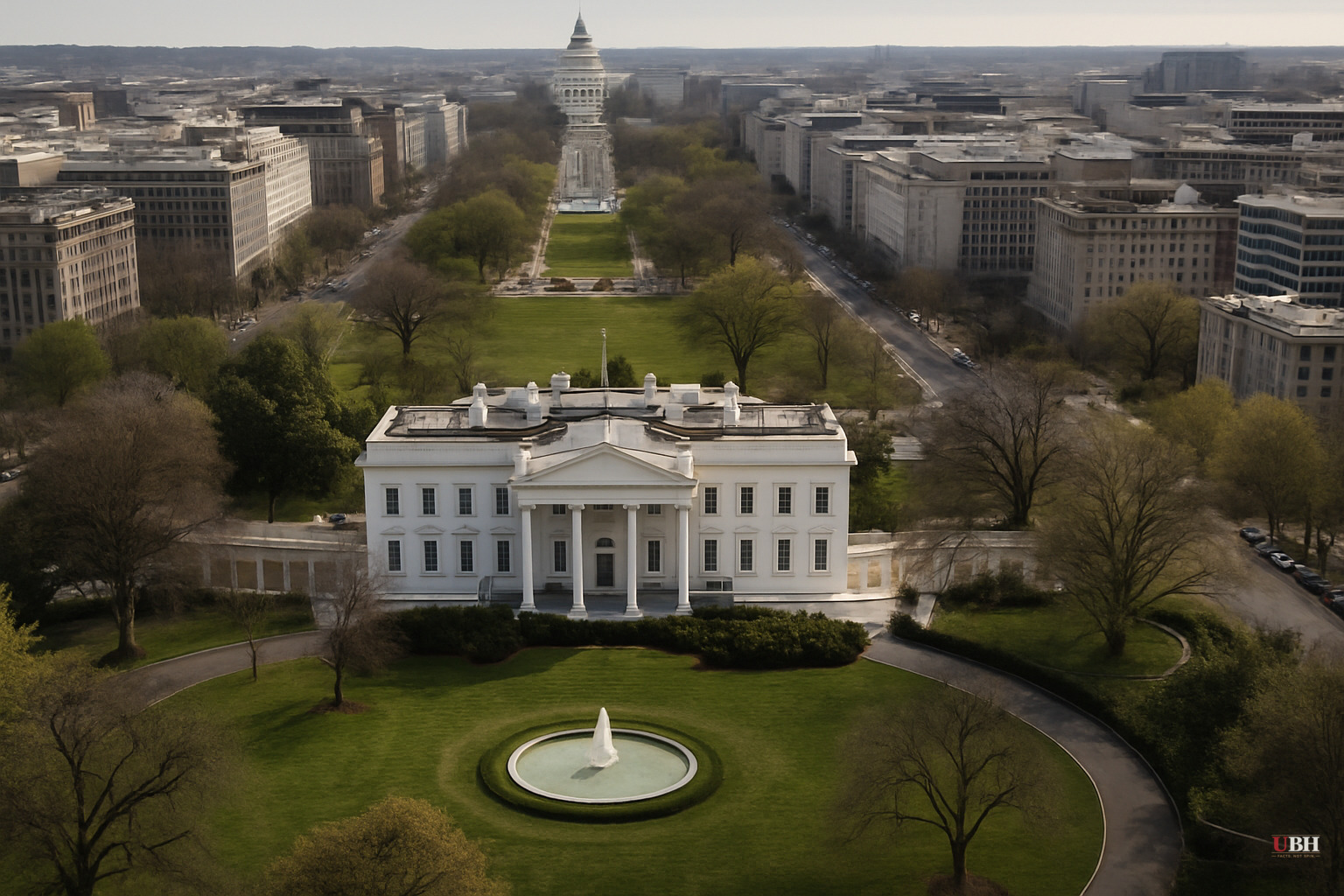
Since coverage of the Trump administration's internal tensions has accumulated over months, the publication of Regime Change on June 23 marks the sharpest public consolidation of those accounts yet, and Carville seized the moment.
What Carville Said
On his Politics War Room podcast, veteran Democratic strategist James Carville delivered what amounted to an open recruitment pitch aimed at Trump administration staffers. His instruction was direct: "Leak, leak, and more leaks."
"When the history is written, the leakers always do better," Carville said, according to both Raw Story (via MEXC News, published June 21) and Ground News (published June 23). He told aides they are "already covered in" filth and that cooperating with reporters is now their only viable path to reputation repair.
He singled out younger officials in particular. "You got to get on the train," he said, directing what he called Trump's "little ambitious" staffers to share "every stupid thing that he says, every grotesque, horrible, nasty habit he's got."
Carville also predicted Trump would be "gone by April of next year" and described the president as someone who "doesn't even know where he is." These are unverified political opinions from a partisan opponent, not sourced reporting.
The Book Timing Matters
Regime Change, authored by Maggie Haberman and Jonathan Swan — both of The New York Times — was released June 23. Early excerpts described a White House with persistent internal leaking, factional infighting, and recurring management crises. Carville used the book's portrait as a launching pad, arguing that the sheer volume of disclosures already flowing out of Trump's orbit proves his thesis. "Look at the number of people that are leaking!" he said.
Whether the book's portrait is accurate, exaggerated, or selectively drawn is a legitimate question. Haberman in particular has faced criticism from Trump allies who argue she relies on disgruntled ex-staffers to construct a narrative that consistently flatters people who cooperate with her and damages those who don't. Any book sourced heavily from anonymous insiders reflects the incentives of those insiders, not necessarily a complete picture. Swan and Haberman are credentialed reporters with documented sourcing practices, but readers are right to weigh who benefits from each disclosure.
The Actual News Value
Carville is a Democratic operative. His call for leaks is openly partisan and carries zero pretense of journalistic neutrality. He framed it as a survival strategy for people he regards as complicit in an administration he opposes.
The podcast comments reflect a broader, ongoing dynamic around the Trump second term. The administration has struggled with internal information discipline since its first days in 2025. Carville is not manufacturing that problem. He is exploiting one that already exists and that Haberman and Swan have now documented at book length.
The White House had not issued a public response to Carville's remarks as of June 23, according to the available sources.
What the Sources Show and Don't Show
Ground News aggregated seven articles on Carville's comments, ranging from The Hill (center) to outlets reposted by American Wire News (right). The left-leaning outlets framed the story as Carville offering clever strategic advice. The right-leaning framing described it as a partisan attack campaign. Both framings are accurate. The comments were both strategic advice and a partisan attack, simultaneously.
Neither framing addressed the harder question: whether publicly encouraging government employees to leak internal communications creates legal or ethical exposure for those staffers, regardless of what it does for their long-term reputations. Federal employees handling classified or sensitive material face real legal constraints on what they can share with reporters, and Carville's blanket "leak everything" instruction papers over that entirely.
The Unresolved Question
The release of Regime Change will produce its own follow-on news cycle as the White House responds to specific claims in the book. Whether the administration identifies and moves against staffers believed to be sources, and whether that produces a chilling effect or accelerates the information flow Carville is encouraging, is the concrete open question that will shape how this story develops through the summer.
Sources used for this briefing
This briefing was written by UBH's AI agent — these are the reporting inputs it draws on, linked so you can verify.


