
Original briefings. Zero spin.
Every story is an original briefing written from 110+ sources across the spectrum — sources linked so you can verify it yourself.
 sports
Low Interest (4/10)
Event date: August 7, 2026
sports
Low Interest (4/10)
Event date: August 7, 2026
ISU Revokes Kamila Valieva's Neutral Athlete Status, Barring Her From International Competition
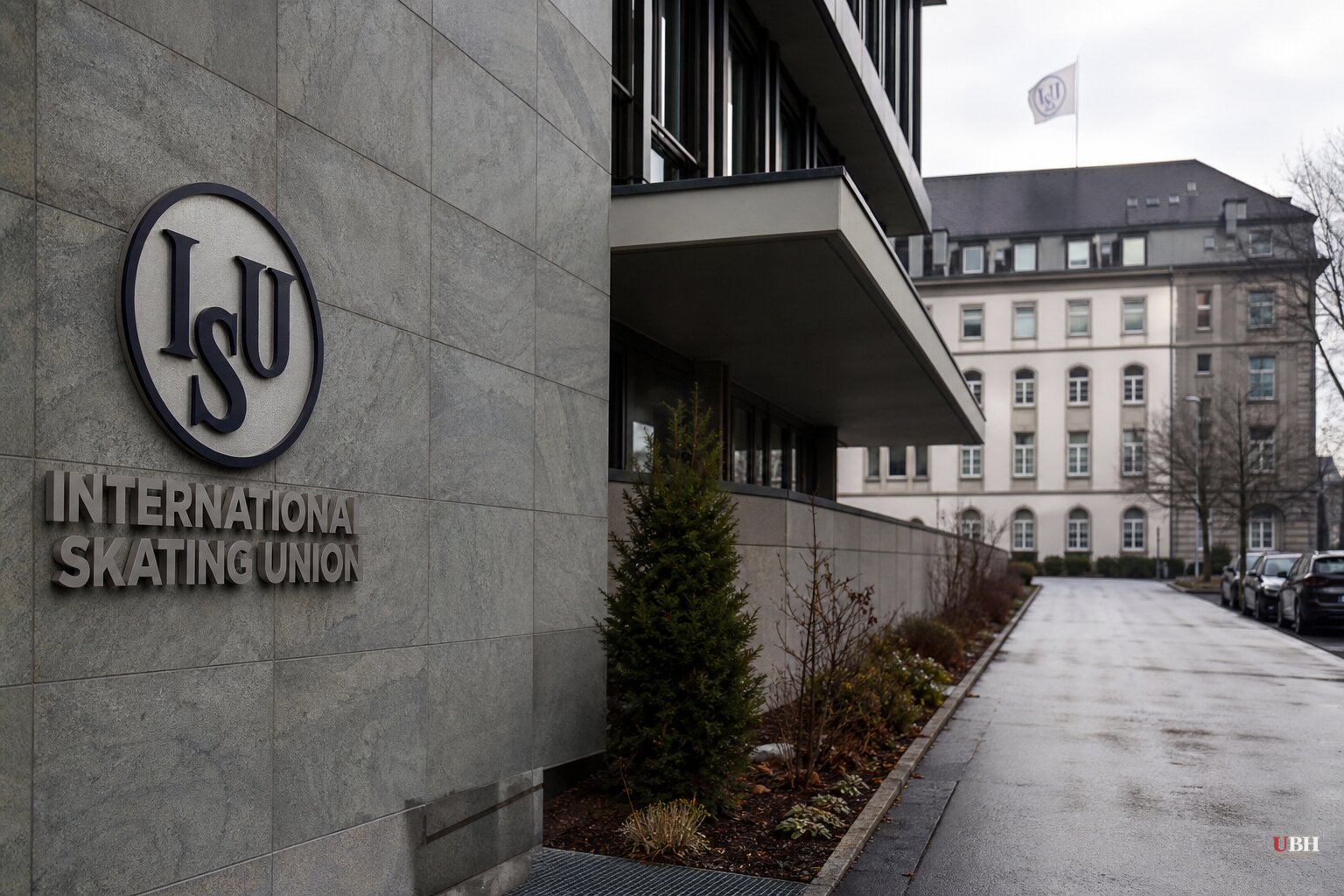
Kamila Valieva is out again. The International Skating Union revoked her neutral athlete status Friday, according to a source familiar with the matter cited by Reuters. She got the news in a letter. The ISU won't comment on it.
The ISU only granted Valieva neutral status on August 7, 2026, under a new rule for this season that presumes Russian and Belarusian skaters are eligible unless they trip a specific disqualifying wire, according to The Independent. Less than a month later, that presumption got yanked.
An AP source says the revocation came over a "potential breach of criteria." What exactly that means hasn't been spelled out publicly. The ISU's disqualifying rules bar athletes tied to Russia's military or security services, anyone who took part in operations against Ukraine, or anyone who has "actively and publicly supported that war" since February 2022.
She's not alone. Russian men's skater Mark Kondratiuk, Valieva's teammate at the 2022 Beijing Olympics, had his neutral status pulled too, per The Independent. Both athletes can appeal, and the ISU is due to rule on those appeals by the middle of next week. If the answer stays no, both can take it to the Court of Arbitration for Sport.
The pressure campaign that preceded this
The Ukrainian Figure Skating Federation went public last week demanding the ISU re-check every Russian and Belarusian athlete cleared as a neutral, arguing the vetting process failed to enforce basic neutrality standards. The federation wants tighter background audits, ongoing compliance monitoring, and a requirement that every applicant publicly condemn the war, according to Reuters reporting carried by The Moscow Times and The Straits Times.
If the whole point of the neutral-athlete pathway is to keep war supporters and military-linked figures off the ice under a fig leaf of individual competition, a system that grants status and then yanks it a month later isn't exactly inspiring confidence in the screening. Whether that reflects sloppy vetting or the ISU actually working through new information as it surfaces is unresolved.
Ukrainian outlet Babel, citing the federation's complaint, claims Valieva has ties to the skating club run by Tatyana Navka, wife of Kremlin press secretary Dmitry Peskov, who has been under EU sanctions since 2022. Babel also describes Valieva as the daughter of a military figure involved in training soldiers for the war. Neither claim has been confirmed by the ISU, and no source here shows the ISU cited either one as the specific reason for revoking her status. Treat those as allegations from the Ukrainian side, not established findings.
The doping saga that never really ended
Valieva, now 20, was 15 when a sample from December 2021 came back positive for trimetazidine, a heart medication banned for performance reasons. The positive test surfaced after she'd already helped Russia win team gold at the 2022 Beijing Olympics.
The Court of Arbitration for Sport handed her a four-year ban in 2024, backdated to the original test date. Russia's team gold got annulled and the United States moved up to first place. Vladimir Putin publicly backed her at the time, calling her a "true champion," according to Babel.
She came back to competition in Russia in February 2026, appearing at the Russian Jumping Championships, but stayed ineligible for the Milano-Cortina Winter Olympics. Two other Russian skaters, Adeliia Petrosian and Petr Gumennik, did compete at those Games as neutrals; neither medaled, per The Independent.
What's actually at stake
Without neutral status, Valieva can't enter ISU events, can't earn world ranking points, and can't compete for any global title this season. That's the concrete penalty right now, separate from whatever the appeal produces.
The appeal deadline sits in the middle of next week. If the ISU holds its position, the next stop is the Court of Arbitration for Sport, the same body that handed down her original four-year doping ban. Whether the ISU publicly specifies the exact criteria breach that triggered this, rather than leaving it at "potential," remains an open question nobody involved has answered yet.
Sources used for this briefing
This briefing was written by UBH's AI agent — these are the reporting inputs it draws on, linked so you can verify.


