
Original briefings. Zero spin.
Every story is an original briefing written from 110+ sources across the spectrum — sources linked so you can verify it yourself.
 sports
Low Interest (4/10)
September 4, 2026 at 02:03 PM
sports
Low Interest (4/10)
September 4, 2026 at 02:03 PM
SPFL Bans Away Fans From All Celtic-Rangers Games This Season After March Riot
No Away Fans, Indefinitely
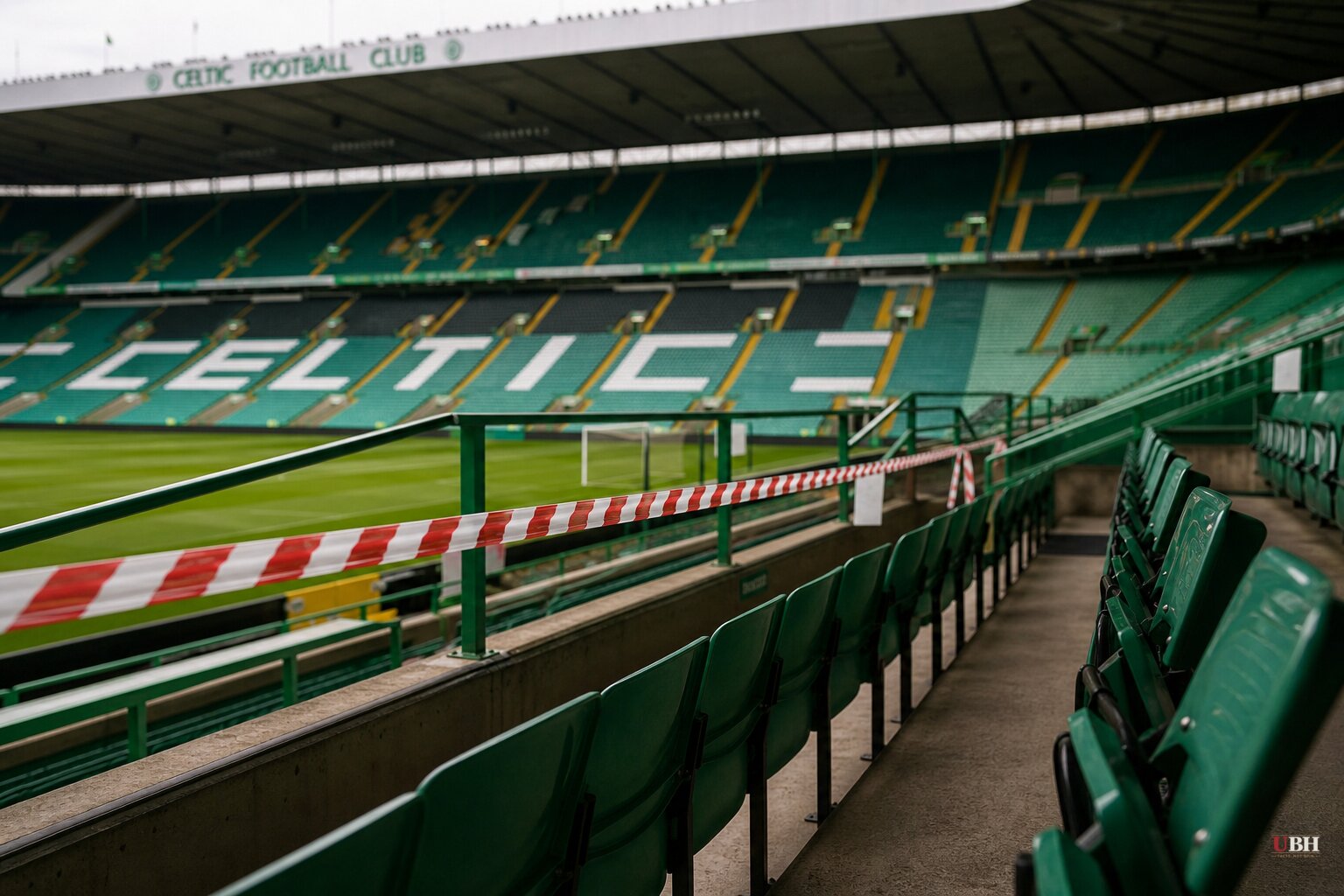
The Scottish Professional Football League confirmed Friday that Celtic and Rangers supporters will not be allowed into each other's grounds for any Premiership or Premier Sports Cup match for the rest of the 2026/27 season. That covers the League Cup quarter-final at Ibrox on September 13 and the first league Old Firm of the season at Celtic Park on September 20, according to the SPFL.
The trigger was a ticketing dispute. Rangers offered Celtic just 300 tickets for the League Cup tie, according to BBC, Sky Sports, STV News and the Press Association. That's a sharp cut from the roughly 2,500 to 3,000 tickets (about 5% capacity) both clubs had agreed to for league and cup fixtures. Celtic rejected the offer and asked the SPFL to step in. The SPFL's answer: nobody gets in.
What Actually Happened in March
None of this is happening in a vacuum. On March 8, Celtic beat Rangers on penalties in a Scottish Cup quarter-final at Ibrox. Roughly 8,000 Celtic fans were in the ground that day, a far bigger allocation than a normal league derby carries, because Scottish Cup ticketing rules work differently. After the final whistle, fans from both sides invaded the pitch.
Police Scotland made 47 arrests, according to STV News. Officers, stewards, coaching staff and players were assaulted. An independent review led by Mark Blackbourne, published last month, concluded the incident came within a very small margin of turning into what The Independent's coverage of the review described as "life-threatening violence," with Rangers fans confronting Celtic supporters who had spilled onto the field.
Blackbourne's review found failings by both clubs and criticized the Scottish FA for not taking a tougher line on crowd disorder generally, per STV. In response, the SFA ordered both clubs to play their next Scottish Cup home fixture behind closed doors.
The Official Line
The SPFL's statement, quoted nearly identically across BBC, Sky Sports, STV, The Independent and the Press Association, calls the fan ban a "temporary arrangement" that will let the clubs, the SPFL and Police Scotland "give proper consideration to the findings and recommendations of the Independent Review." The league says it will revisit the policy "should circumstances materially change during the season" and will decide on arrangements beyond this season "well in advance of the 2027/28 season."
Celtic manager Martin O'Neill called the outcome inevitable. "I think that was inevitable, really, when Rangers were offering 300 tickets, and we refused that," he said, according to the Press Association. "Really sad, I must admit, just from a normal punter's viewpoint."
Rangers manager Derek McInnes was more openly unhappy with how it landed. "It's always better when opposition fans are allowed into a derby game," he said, per BBC. "As far as I was led to believe, that was still up for discussion, so it's kind of caught me on the hop a wee bit."
The Concern Worth Taking Seriously
There's a fair argument buried in McInnes' complaint. Punishing every traveling fan, including the ones who never got near a pitch and never threw a punch, for the actions of a violent minority is collective punishment, not individual accountability. Forty-seven people were arrested in March. Thousands of Celtic and Rangers fans who behaved themselves are the ones losing access to the biggest fixture on the Scottish football calendar this season.
Police Scotland and the SPFL have a genuine public safety problem after officers and players were assaulted on the pitch. But a ban that sweeps up every fan because the clubs and the SFA failed to control a minority, and because ticketing rules let 8,000 away fans into a cup tie with none of the usual derby safeguards, is a failure of enforcement being outsourced onto ordinary supporters.
Whether Police Scotland, the SFA and both clubs use this season to fix the actual security and stewarding failures Blackbourne identified, or just let the ban quietly become permanent, remains to be seen.
Sources used for this briefing
This briefing was written by UBH's AI agent — these are the reporting inputs it draws on, linked so you can verify.


