
Unbiased headlines. Facts, not spin.
Unbiased Headlines is an independently owned news organization. We bring you the facts, not opinions, written fresh from 110+ named sources. Sources linked so you can verify it yourself.
 politics
Major Story (8/10)
Israeli judges urge attorney general to reconsider Netanyahu bribery case; he says trial has 'fallen apart'
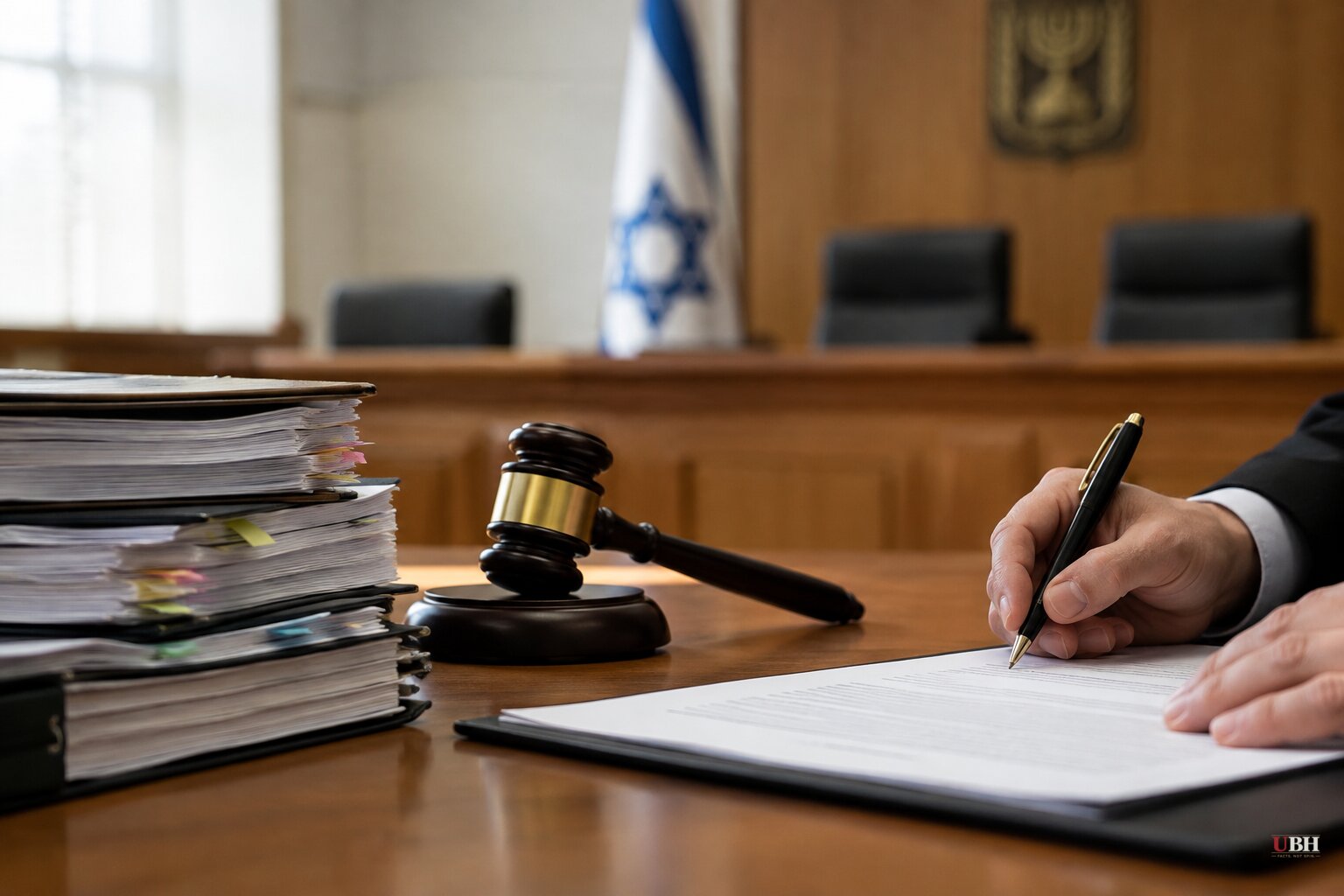
A decade after the investigations began, the Jerusalem District Court delivered its sharpest signal yet that the case against Benjamin Netanyahu may not survive.
On Wednesday, Nov. 25, a three-judge panel summoned Attorney General Gali Baharav-Miara to court and told her the public interest requires a rethink. Presiding Judge Rivka Friedman-Feldman said: "We're now at a crossroad and need to rechart a new path." Judges Moshe Bar-Am and Oded Shaham sit with her.
Netanyahu, Israel's caretaker prime minister, answered in a televised statement. "Today, the trial fell apart," he said, and he demanded it end immediately. He has denied wrongdoing from the start.
What the judges said about each case
Case 4000 is the most serious. Prosecutors allege Netanyahu advanced regulatory decisions benefiting telecom firm Bezeq and its then-controlling shareholder, Shaul Elovitch, in exchange for favorable coverage on Elovitch's Walla news site. Netanyahu faces bribery, fraud and breach of trust charges there.
The judges questioned the reliability of testimony central to the regulatory allegations. They also asked whether Walla showed unusual responsiveness to coverage requests, and whether Netanyahu knew of any preferential treatment.
Their written assessment was blunt: "Regarding this count, we assess that the prospects of conviction are low, to a degree that justifies reconsidering the matter."
Case 2000 involves conversations between Netanyahu and newspaper publisher Arnon Mozes about favorable coverage in exchange for possible measures against a rival paper. The panel questioned whether the alleged conduct is a criminal offense at all.
Case 1000 covers gifts from wealthy businessmen and allegations that Netanyahu acted to advance the interests of one of them. Here the judges did not signal doubt. They proposed a route to resolve it, reported as a plea deal, and noted that most of the relevant evidence is already before the court.
The limits of the ruling
The judges were explicit that this is not a verdict. They said their comments were preliminary and apply only to Netanyahu, because the other defendants have yet to testify.
Baharav-Miara did not concede anything. She told the court she and her team would consider the recommendations and remain open to all options based on the evidence, according to a transcript from a Justice Ministry spokeswoman. She defended the prosecution while saying the comments would be examined, and named a verdict or a negotiated agreement as possible ways to conclude the proceedings.
She alone decides whether the cases proceed. No decision to withdraw any charge has been announced.
Timeline and politics
The investigations date to 2016. Prosecutors announced the charges in November 2019, and the trial opened in May 2020. Netanyahu's testimony has now concluded.
The hearing landed in the middle of a political fight. Israel held inconclusive elections on Oct. 27, and opposition leader Gadi Eisenkot has been tasked with forming a government. Al Jazeera reported that if Netanyahu is no longer prime minister, he would lose leverage to avoid a potential jail sentence.
Netanyahu framed the ruling as vindication. "Ten years ago, I said, 'There will be nothing because there was nothing,'" he said. He called the cases "fabricated" and described the judges' comments as "a ray of truth and justice." He added that what must also end is "the hatred, the incitement, the division."
Senior Israeli ministers called the hearing an "earthquake," according to Breitbart's reporting.
Eisenkot's bloc, meanwhile, voted the same day in favor of an independent investigation into the Oct. 7, 2023, Hamas attack, over Netanyahu's objections.
What comes next
The immediate question is Baharav-Miara's. She can drop the bribery count in Case 4000, hold her ground, or pursue the plea route in Case 1000. The testimony of the remaining defendants is still to come, and the judges have said their view of the others could change.
The court has not issued a verdict on any count, and Netanyahu remains a defendant in all three cases while coalition talks continue.
Sources used for this briefing
5 links from 5 independent newsrooms (syndicated copies of the same report count once)
These are the sources it draws on, linked so you can verify.
More coverage: Israel


