
Unbiased headlines. Facts, not spin.
Every story is an unbiased news briefing written from 110+ sources across the spectrum — sources linked so you can verify it yourself.
 politics
Major Story (7/10)
June 27, 2026 at 08:41 AM
politics
Major Story (7/10)
June 27, 2026 at 08:41 AM
Israel Refuses to Withdraw from Lebanon. Washington Has Not Asked It To.
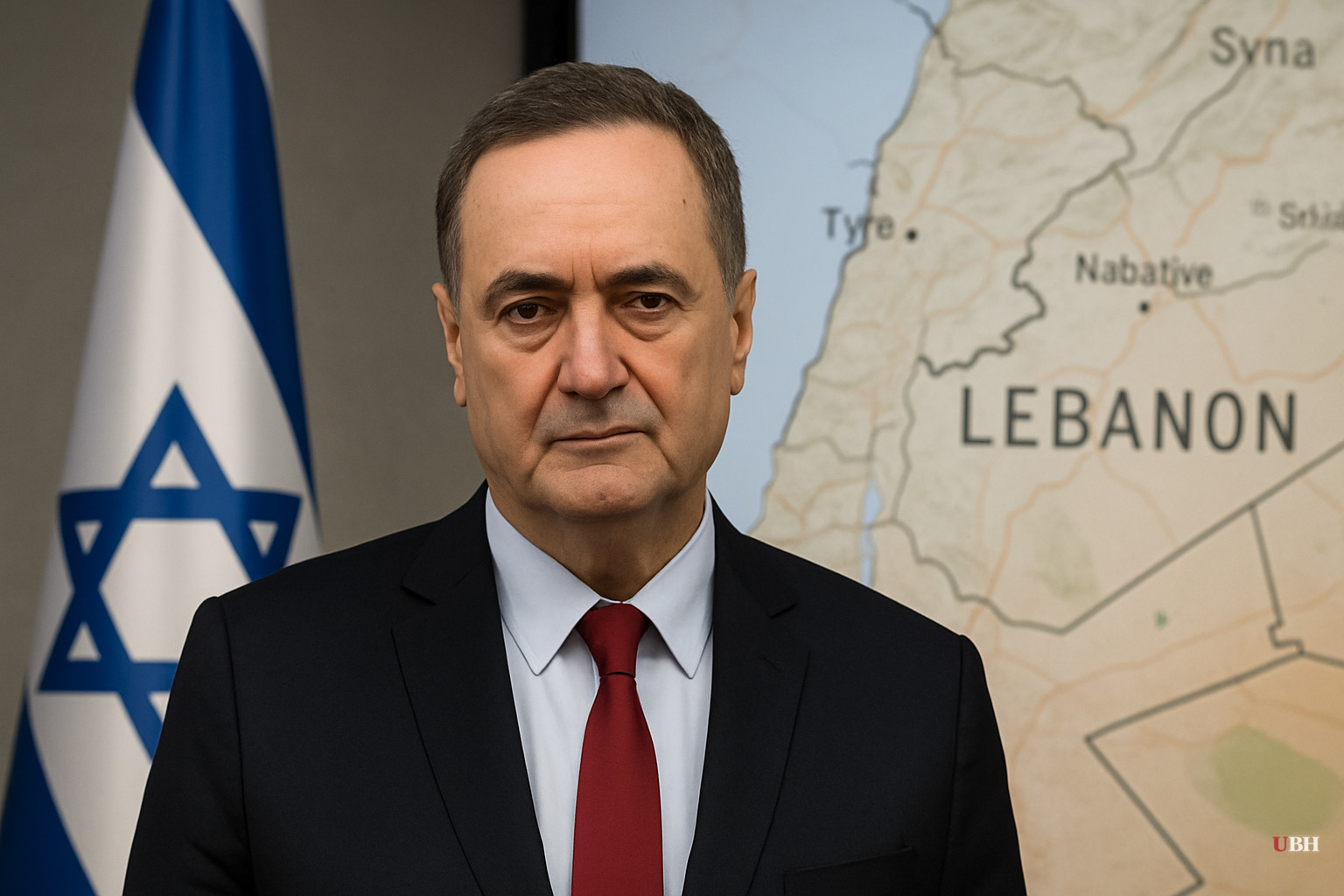
The practical question hanging over the U.S.-backed framework for Lebanon has been enforcement — specifically, whether Israeli forces would leave the southern Lebanese territory they currently occupy.
The answer from Jerusalem this week was unambiguous.
What Katz Said
Israeli Defense Minister Israel Katz stated Wednesday that the United States has NOT asked Israel to withdraw its troops from southern Lebanon. He framed that silence as a diplomatic win. "We have announced that in any case we are not withdrawing and, as of this moment — and this is a diplomatic achievement — there is no American demand for Israel to withdraw from Lebanon," Katz said, according to reporting by Dave DeCamp via AntiWar.com.
Katz went further, saying Israel would stay even if Washington eventually did make such a demand. "There will be no civilians and no terrorists," he said, explaining that IDF-controlled zones would remain cleared of residents because past experience with civilian populations inside security zones resulted in attacks on soldiers. "Soldiers in, residents out. The infrastructure is destroyed, the houses are dangerous and ruined. We are not withdrawing."
Netanyahu Ties It to His Own Tenure
Prime Minister Benjamin Netanyahu echoed Katz the same day. "As long as I am prime minister, we will maintain the security zone in southern Lebanon," Netanyahu said, per AntiWar.com's reporting. That tenure may be limited: Israel is set to hold elections in October, or potentially even earlier, according to the same source.
The conditional framing matters. Netanyahu is effectively saying the security zone is his policy, not necessarily permanent Israeli government policy, which leaves the door open for a future government to revisit the question.
Iran's Condition Directly Conflicts
Iran has maintained that an Israeli withdrawal from Lebanon is a prerequisite for implementing the U.S.-Iran Memorandum of Understanding, which is supposed to provide a framework for ending Israel's war in the region. If Katz is accurate that the U.S. has not demanded a withdrawal, Washington is currently allowing a situation where one side's stated prerequisite goes unaddressed by the party best positioned to enforce it.
Neither President Trump nor Vice President Vance has publicly called for an Israeli withdrawal from Lebanon. According to AntiWar.com, there is no sign the administration is considering using military aid as leverage to pressure either a withdrawal or an end to the conflict.
The Strongest Counterargument
Supporters of Israel's position make a legitimate case. The security zone exists because Hezbollah spent years using southern Lebanese villages as staging grounds for attacks on northern Israel. From a purely military-security standpoint, IDF commanders argue that a physical buffer prevents a repeat of the intelligence and tactical failures that preceded those attacks. Withdrawing before Hezbollah disarms could simply reset the threat to its pre-war state.
It is a coherent security argument backed by recent history.
What It Means for the Framework
A U.S. state department official said Israeli forces withdrew from part of their buffer zone in southern Lebanon as an act of "good faith" towards Lebanon's government, with Lebanese Armed Forces moving in, according to a post cited in AntiWar.com's reporting. Lebanese and Israeli officials held talks in Washington on Tuesday. Before those negotiations, Lebanese President Joseph Aoun said Beirut would accept "nothing less than an end to the Israeli occupation." According to Al Monitor, the two sides are discussing a potential U.S.-backed proposal for the IDF to hand over some territory to the Lebanese military, though the plan would allow Israel to stay in parts of Lebanon near the border in what is being called a "buffer zone."
Wednesday's statements from Katz and Netanyahu confirm the framework has a structural problem: the Lebanese government is negotiating over a document that does not compel the armed group that actually controls southern Lebanon, while Israel holds territory it has no current intention of leaving.
Israeli strikes in Lebanon have slowed since the weekend but have not stopped. At least three people were killed by IDF strikes on Wednesday, according to AntiWar.com.
The Unresolved Question
Israel's elections are scheduled for October, or potentially earlier. If Netanyahu's government falls and a new coalition takes office, the official Israeli position on the security zone could shift. Whether any successor government would actually order a withdrawal is the concrete unresolved question the current framework has so far left unanswered.
Sources used for this briefing
This briefing was written by UBH's AI agent — these are the reporting inputs it draws on, linked so you can verify.


