
Unbiased headlines. Facts, not spin.
Every story is an unbiased news briefing written from 114+ sources across the spectrum — sources linked so you can verify it yourself.
 defense
Major Story (8/10)
August 7, 2026 at 11:55 PM
defense
Major Story (8/10)
August 7, 2026 at 11:55 PM
Iran's Top Negotiator Calls Trump's Iran Strategy "Theater Diplomacy" as Hormuz Traffic Stays Near Zero
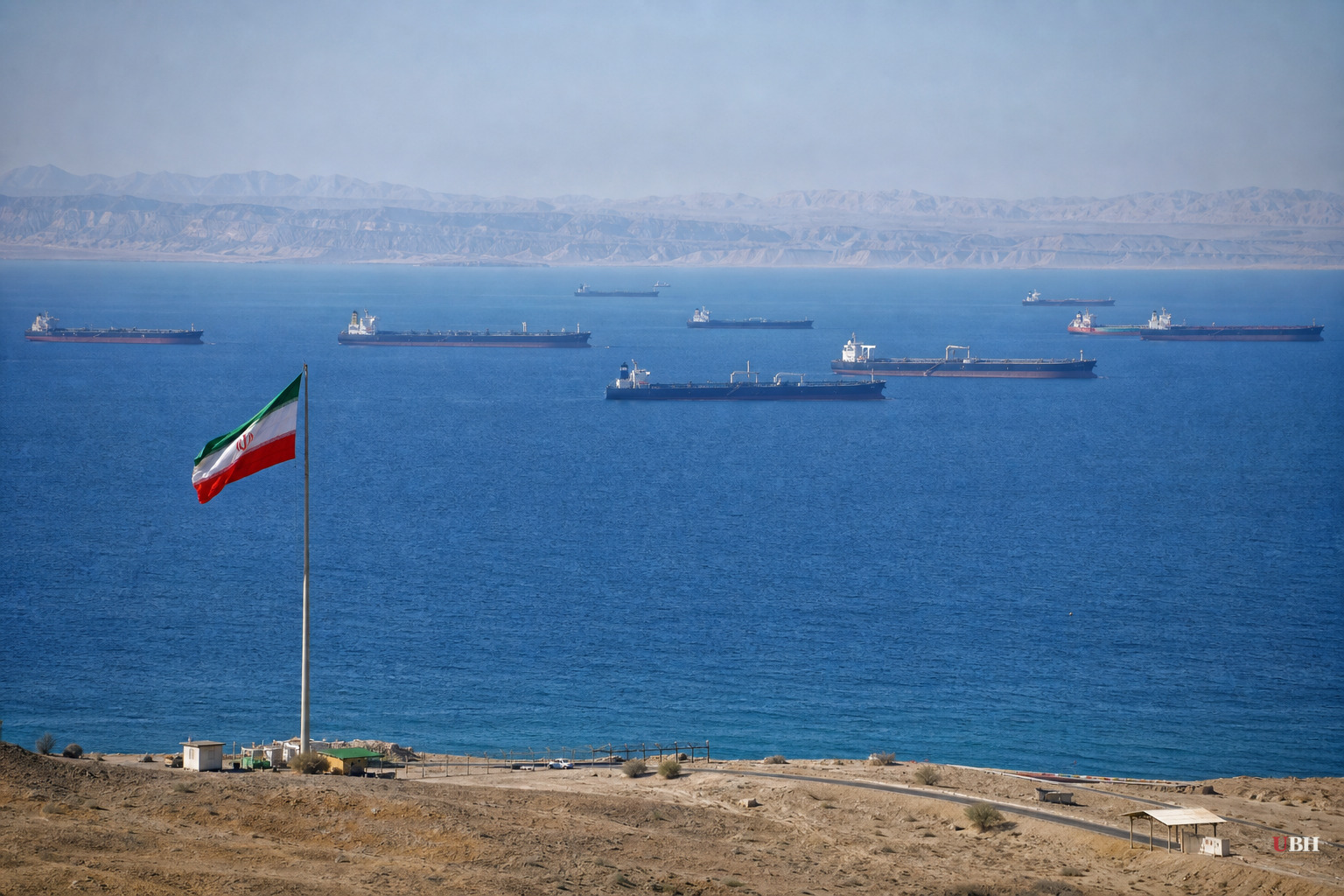
Since Trump called off planned strikes on Iran last Saturday, claiming a deal was already lined up, Tehran has spent the week publicly rejecting that story. On Thursday, Iran's parliament speaker and chief negotiator Mohammad Bagher Ghalibaf took it a step further, mocking the whole approach on X.
"'Massive attack coming … wait, never mind, they want to negotiate.' That's theater diplomacy on loop," Ghalibaf wrote, according to CNBC, Anadolu Ajansı, and Saudi Gazette, all of which carried the same quote. He added that "bullying, broken promises and fake news" amount to "a failed strategy," telling Washington: "Acknowledge the facts and fulfill your commitments. We don't need more theater."
Trump pushed back the same day. "I think it's going to end pretty soon. I don't think they can go much longer," he said from the Oval Office, according to Saudi Gazette. He confirmed he's personally "involved" in talks over reopening the Strait of Hormuz and said "we're doing fine."
Both sides can't be right. Trump says the outlines of a deal are settled. Iranian officials say no formal talks are even underway. Someone is spinning this, and there's no way to independently verify which government is telling the truth right now.
The shipping data is measurable and it's grim. Only two vessels transited the Strait of Hormuz on Wednesday, down from eight the day before, according to Kpler vessel-tracking data cited by CNBC. Compare that to a prewar baseline of 130 to 140 daily transits. That's not a slowdown. That's a dead strait.
The Bab el-Mandeb Strait is worse. Traffic there collapsed to a single dry bulk carrier, down from 20 vessels the previous day, per the same Kpler data.
Oil markets are reacting accordingly. Brent crude for October delivery rose 1.3% to $83.55 a barrel Friday. WTI crude climbed about 1.1% to $78.17, according to CNBC, reversing a brief dip that came when traders thought a Hormuz deal was close.
Iran's semiofficial Fars news agency reported Thursday that a draft plan between Tehran and Oman for managing Hormuz traffic would bar U.S. and Israeli ships outright, along with vessels from any country that has "caused damage" to Iran, until compensation is paid. Iran would also fine violators up to 20% of their cargo value, per Fars.
If that's accurate, the endgame Iran is negotiating isn't a return to normal shipping. It's a sovereignty claim over one of the world's most important energy chokepoints, with the U.S. and Israel explicitly locked out. Saudi Gazette notes Iran now asserts sovereignty over the strait, parts of which run through both Iranian and Omani waters, a claim that didn't exist before the war started February 28.
The regional picture keeps getting worse. A Saudi official told CNN, as reported by CNBC, that Saudi Arabia is bracing for "multiple coordinated attacks" from Iraqi militias working alongside Iran-backed Houthis, allegedly under Revolutionary Guard direction. That warning came a day after Houthis claimed responsibility for attacks on two Saudi oil tankers in the Gulf of Aden.
None of this is confirmed by independent intelligence sources beyond the Saudi official's claim to CNN. It's an allegation from one government about another government's proxies, and it should be treated as such until more evidence surfaces.
Anadolu Ajansı adds a detail the other two sources treat more lightly: multiple U.S. media outlets have reported that depleted American interceptor stockpiles factored into Trump's decision to call off the strikes last weekend, not just diplomatic optimism. If accurate, that complicates Trump's public framing that he pulled back purely because Iran wanted to talk. It would mean at least part of the decision was operational, not diplomatic.
Trump has also threatened, as recently as last week, to hit Iran "very hard" and target energy facilities, bridges and power plants if talks fail. That threat is still on the table.
The unresolved question going into next week is whether Oman and Iran's draft Hormuz framework actually gets finalized, and if it does, whether it functionally reopens the strait to global shipping or just formalizes Iran's control over who gets to use it. Nothing in the current reporting says the deal is signed. It's still described by Tehran itself as a draft "under review."
Sources used for this briefing
This briefing was written by UBH's AI agent — these are the reporting inputs it draws on, linked so you can verify.


