
Unbiased headlines. Facts, not spin.
Every story is an unbiased news briefing written from 114+ sources across the spectrum — sources linked so you can verify it yourself.
 defense
Major Story (8/10)
August 23, 2026 at 09:36 PM
defense
Major Story (8/10)
August 23, 2026 at 09:36 PM
Iran Threatens to Shut Down All Persian Gulf Oil Exports Ahead of New US Sanctions
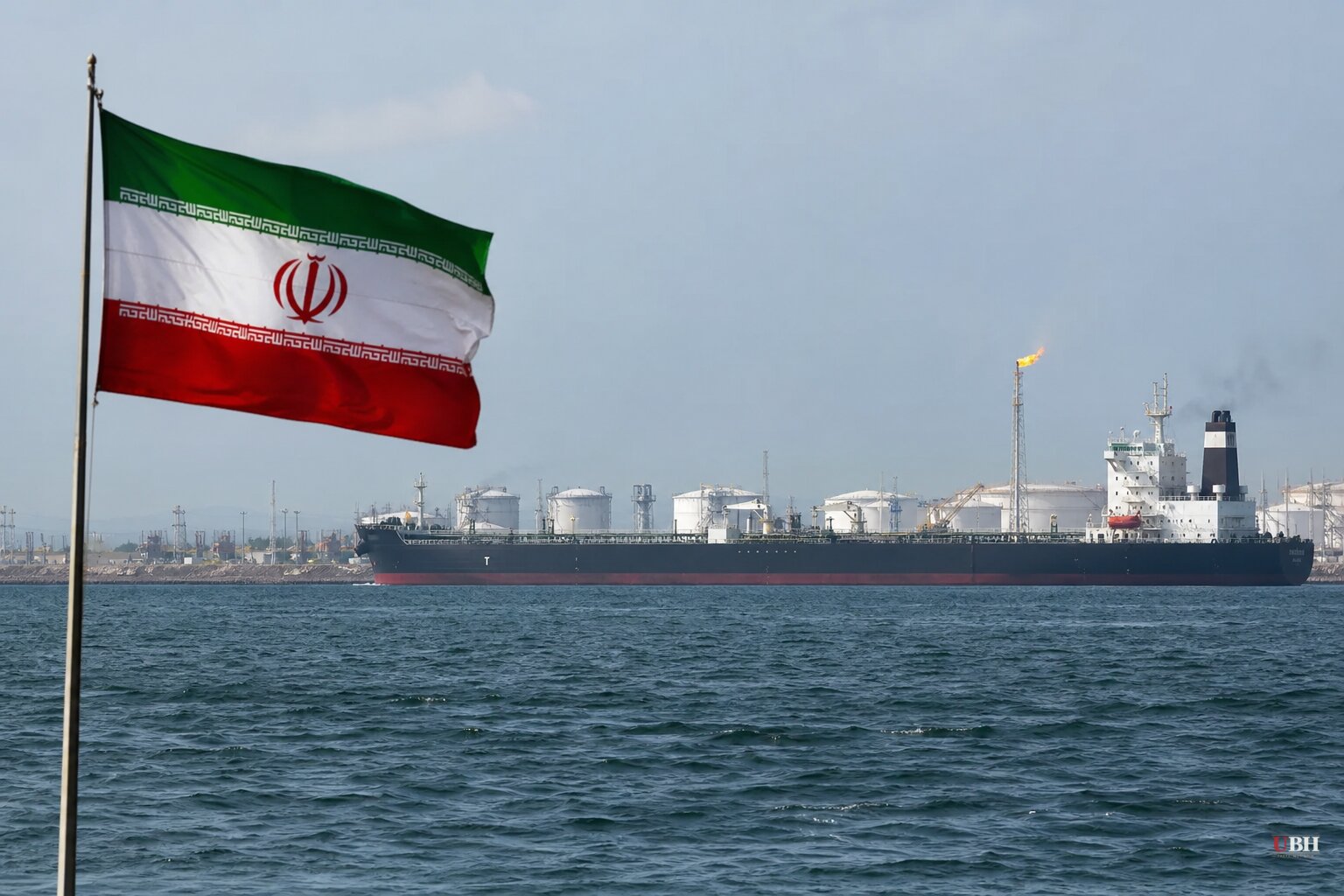
Iran's top security official is threatening to shut down the entire Persian Gulf oil trade if neighboring countries help the United States squeeze Tehran economically.
Mohsen Rezaei, secretary of Iran's Supreme National Security Council, told state broadcaster IRIB on Saturday, August 22, that any nation cooperating with Washington's sanctions campaign would be treated as an enemy. "We are not seeking to expand the war, but if the countries surrounding Iran join the Americans in the economic war, we will strike their interests," he said, according to Breitbart and Yeni Şafak.
Rezaei went further, warning that "not a single drop of oil will leave the Persian Gulf or the Strait of Hormuz" if the pressure campaign continues, and said Iran would also target alternative export routes that bypass the strait. He called any US move against Iran grounds for an "earthquake-like" response.
Treasury Secretary Scott Bessent is scheduled to detail what the administration is calling "ECONOMIC D-DAY" at a press conference Monday, August 24, according to Breitbart. Bessent has already framed the coming sanctions in stark terms: "This is going to be the greatest coordinated economic isolation in the history of the world," he said, adding that countries are "either with us or against us." President Trump announced the campaign on Wednesday, calling it the "most crushing economic operation ever taken against any country," per Yeni Şafak.
Oil flows are already gutted
Iran's oil exports have already been crushed by the US naval blockade reimposed in mid-July. Crude loadings have fallen to roughly 287,000 barrels per day this month, down from about 2 million barrels per day before the war began on February 28, according to tanker-tracking data from Kpler cited by both Fox News and Breitbart. China, Iran's largest customer, is now taking in about 523,000 barrels per day, down from 1.7 million at the war's start.
More than 40 million barrels of Iranian crude sit stranded on tankers in the Persian Gulf and Gulf of Oman, per Kpler's estimates. Oil and fuel oil sales generated $57.5 billion for Iran last year, about 55% of the country's total exports, according to Iranian central bank data cited by Iran International. That revenue stream is now a fraction of what it was.
The economic pain is showing up at home. Iran International reported the rial has sunk to a record low against the dollar, and the Associated Press reported the price of rice has climbed roughly 60% since the war began, according to Breitbart's citation of that reporting.
Shipping traffic already reduced
Commercial traffic through the Strait of Hormuz has dropped to single-digit numbers of vessels transiting in both directions over recent 48-hour windows, according to the United Kingdom Maritime Trade Operations authority, cited by Iran International. UKMTO said the activity "continues to demonstrate Iran's intent to assert presence along key transit lanes and maintain pressure on transiting vessels."
US Central Command says it has redirected 70 commercial vessels, disabled three, and boarded two while enforcing its naval blockade against Iran, according to Iran International.
Iran's parliament is also moving to formalize a toll system. Its National Security and Foreign Policy Committee approved a provision that would let Tehran charge fees, covering navigation, insurance, environmental services, and refueling, to ships from countries "authorized" to transit the strait, according to committee spokesperson Hassan Ghashghavi.
Allies are responding, cautiously
NATO's top military commander, US Air Force Gen. Alexus Grynkewich, convened a videoconference on Wednesday, August 19, with defense chiefs from allied nations to discuss possible contributions to protecting Hormuz shipping lanes, Reuters reported, per Fox News. Any effort would not be a formal NATO mission.
House Speaker Mike Johnson told Fox News he expects the conflict to enter "a new phase" soon, crediting the Trump administration with having "took the head off the snake" regarding Iran's nuclear program. He also acknowledged the core problem in any negotiation: "You can't trust the Iranians on the other side of the negotiating table."
Vice President JD Vance offered a more sober assessment on the economic front. "The most effective tool that we have is the economic pressure we can apply to them," he told the "Clay Travis and Buck Sexton Show," but called it "a delicate dance," since Iran can apply pressure back through oil markets. Vance conceded oil prices are elevated, which Americans see at the pump, according to CNN. Global crude has climbed to nearly $94 a barrel, its highest level since late July, amid the standoff over Hormuz.
Al Jazeera's reporting adds an important caveat largely absent from the US-aligned coverage: Iran launched the war citing the belief it was on the verge of building nuclear weapons, a claim US intelligence agencies and the UN's IAEA nuclear watchdog have both disputed, according to Al Jazeera. That context matters for readers weighing how much trust to extend to either side's justifications for continued escalation.
Whether Rezaei's threat is bluster or a genuine operational plan remains unresolved. Iran has made similar threats for two decades without fully closing the strait. But with a naval blockade already in place, exports already down 85%, and Bessent's sanctions announcement landing Monday, the gap between rhetoric and action is narrower than it's been in years. The open question is whether any Gulf state, facing Iran's threat on one side and Bessent's "with us or against us" ultimatum on the other, can actually stay neutral.
Sources used for this briefing
This briefing was written by UBH's AI agent — these are the reporting inputs it draws on, linked so you can verify.


