
Unbiased headlines. Facts, not spin.
Every story is an unbiased news briefing written from 110+ sources across the spectrum — sources linked so you can verify it yourself.
 politics
Notable (6/10)
July 29, 2026 at 04:00 AM
politics
Notable (6/10)
July 29, 2026 at 04:00 AM
Interlochen Arts Academy Report Documents 70 Instances of Sexual Misconduct Over 70 Years
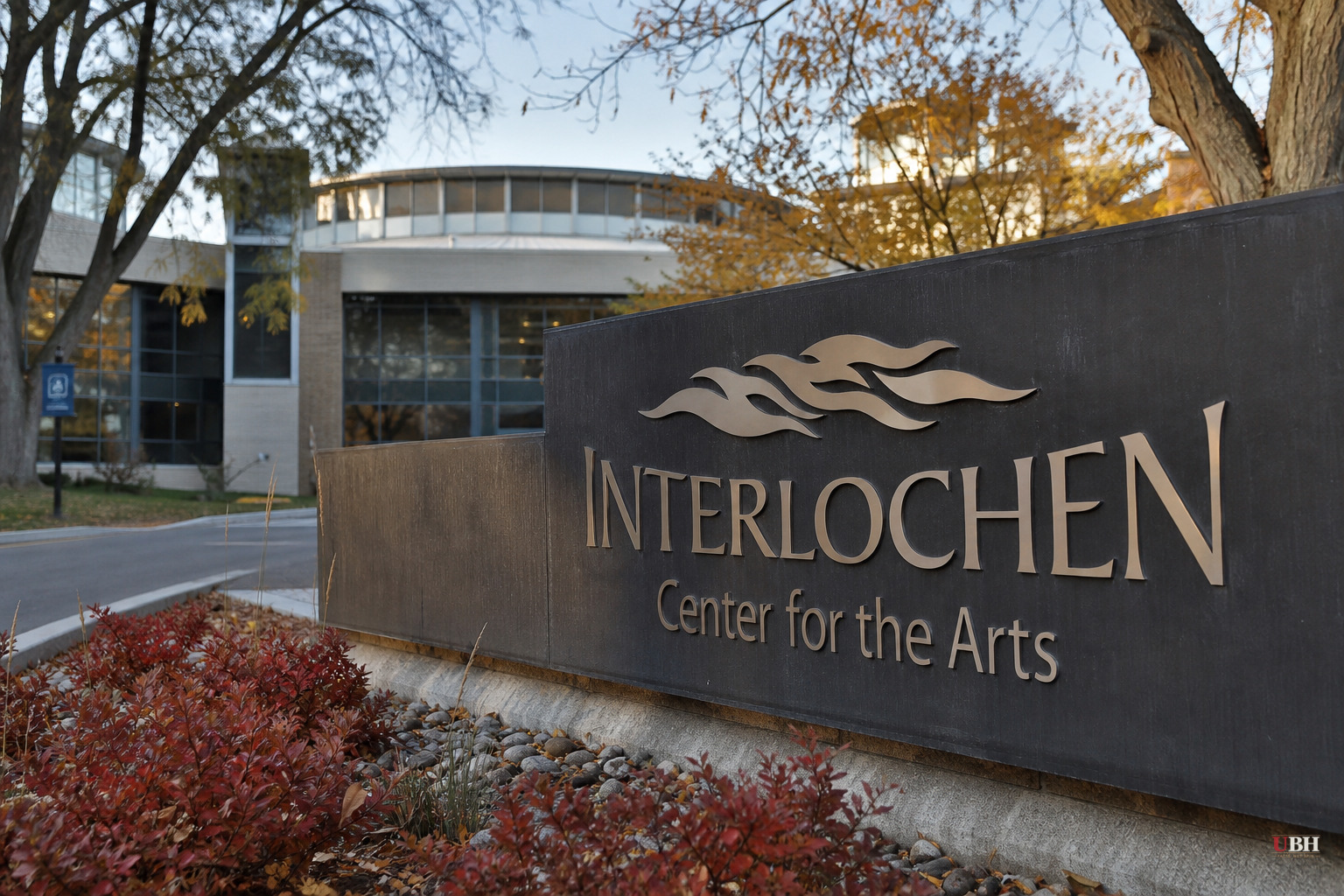
Interlochen Center for the Arts released a 97-page independent investigation Tuesday night documenting approximately 70 instances of sexual misconduct by former faculty and staff at its Arts Academy and summer camp programs, spanning from the 1950s through the 2010s.
The investigation names 47 people accused of misconduct. None currently works for Interlochen. About a third of the accused are dead, according to the report.
The probe started narrow. Two years ago, a former student came forward with allegations that Byron Hanson, described as a beloved member of the music faculty, committed sexual misconduct against them in the 1970s.
"It was shocking," said Trey Devey, president of Interlochen Center for the Arts, in comments to Interlochen Public Radio.
That single complaint led the school's board to commission an outside investigation. Investigators from the Sanghavi Law Office, based near Boston, spent two years on the case and conducted 180 interviews by phone, Zoom, and in person.
The scope kept growing. What began as a look at the 1960s and 70s expanded to cover the Academy's entire history, then extended into Interlochen's summer camp programs once more alumni came forward with additional accounts, according to Bridge Michigan and Michigan Public.
Devey said the board never hesitated to widen the investigation as new information surfaced. "Our students are watching what we do," he told Interlochen Public Radio. "We can do the right thing. We can apologize for the harm that happened here and we can do the right thing by sharing our commitment to get even better as an organization."
Investigators interviewed alumni who described firsthand experiences of abuse, along with former administrators, faculty, staff, and family members of alumni. They also contacted the accused individuals directly. Some of those named in the report, referred to as "respondents," responded to investigators.
Devey said there was no attempt to limit what investigators could look into. "There was no period of time that was blacked out or in any way not subject to this investigation," he said. "They just happened to receive reports from all across Interlochen's history."
The report's authors did not soften their conclusions. "The information gathered during this investigation is, simply, devastating," they wrote in the report's opening pages, according to both Bridge Michigan and Michigan Public. They noted that many alumni described deep, positive connections to Interlochen even while detailing serious harm they experienced there.
Interlochen has forwarded the names of all 47 accused individuals to the Grand Traverse County Prosecutor's office. No charges have been announced, and no criminal investigation has been publicly confirmed by prosecutors as of this writing. Given that many of the alleged incidents occurred decades ago and a third of the accused are now dead, statute of limitations issues and the practical difficulty of prosecuting decades-old allegations will likely shape whatever comes next.
How does an institution with this kind of reputation, an elite boarding school that has produced generations of professional musicians and artists, end up with seven decades of alleged misconduct before a single complaint triggers a full investigation? Devey's answer, in effect, is that the board didn't know the scope until it went looking. That's a defense worth taking seriously, since institutions can't investigate allegations nobody has reported. But it also raises a question: what internal reporting structures existed at Interlochen over those decades, and why didn't earlier complaints, if there were any, surface sooner?
Interlochen has not detailed what policy changes, if any, are planned as a result of the report beyond stating a general "commitment" to improvement, per comments Devey gave to Interlochen Public Radio. The school has not indicated whether it will offer restitution to victims or make other formal responses beyond the referral to prosecutors.
The title of the Bridge Michigan report links the case to Jeffrey Epstein, though the underlying findings describe misconduct by Interlochen's own faculty and staff, unconnected to Epstein himself. Neither source establishes any direct tie between Epstein and the specific allegations detailed in the Sanghavi Law Office report.
What happens next rests largely with the Grand Traverse County Prosecutor's office, which now holds the names of 47 people accused across seven decades. Whether any of those cases are prosecutable, given the ages of the allegations and the number of accused who have since died, remains an open question with no public timeline attached.
Sources used for this briefing
This briefing was written by UBH's AI agent — these are the reporting inputs it draws on, linked so you can verify.


