
Unbiased headlines. Facts, not spin.
Every story is an unbiased news briefing written from 110+ sources across the spectrum — sources linked so you can verify it yourself.
 politics
Major Story (7/10)
June 25, 2026 at 07:55 AM
politics
Major Story (7/10)
June 25, 2026 at 07:55 AM
Interior Department Memo Bars Park Staff From Confirming Deaths. Former Rangers Say It Undermines Visitor Safety.
What the Memo Says
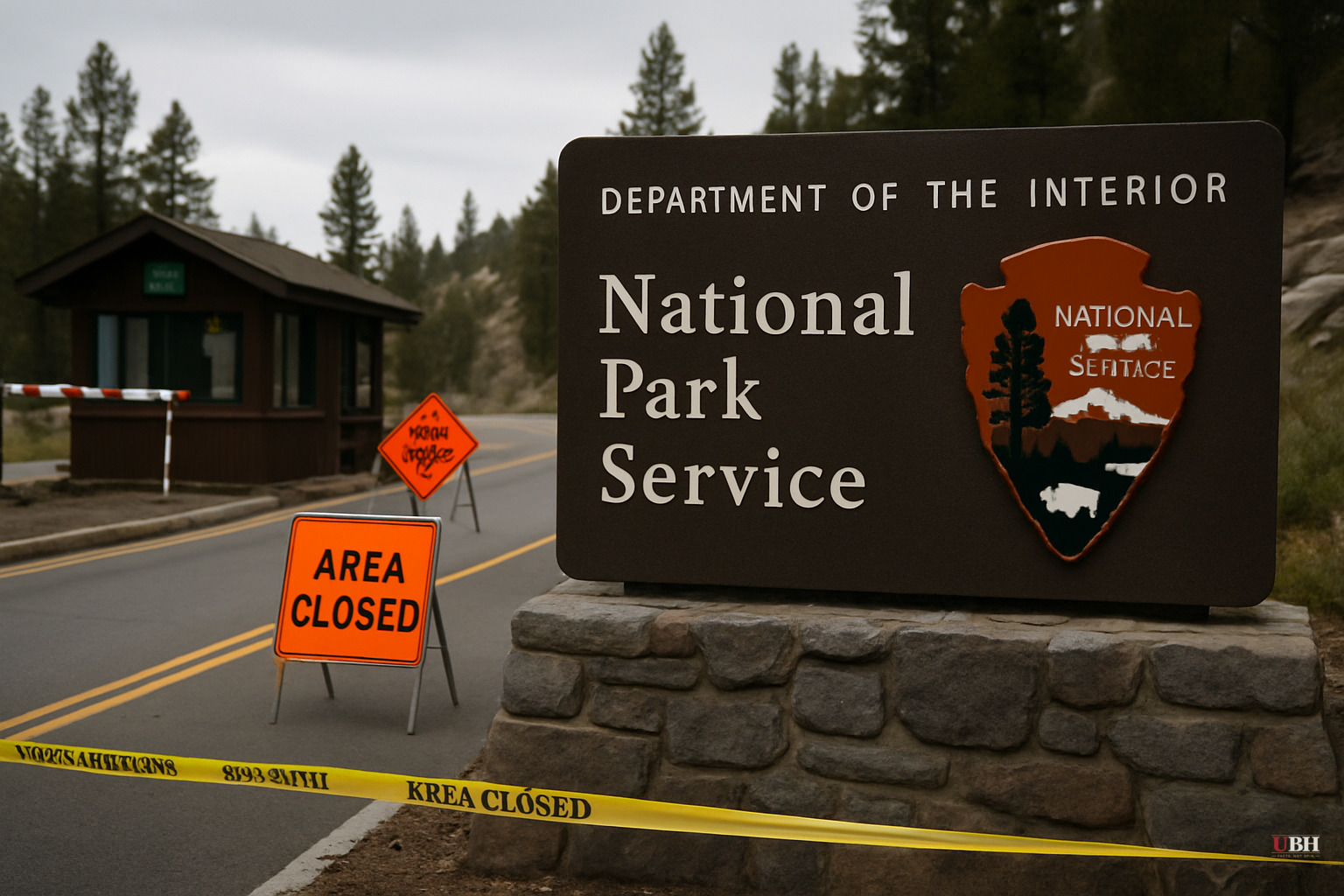
The Interior Department issued internal guidance in December directing employees across all its bureaus — including National Park Service staff and communications personnel — that they "shall not confirm a death" or release details about serious injuries, according to reporting by the Washington Post.
Under the new policy, staff may only acknowledge that an incident occurred, give a general location, confirm responders are on the scene, and say more information will come when appropriate. The memo covers fatalities, suspected fatalities, serious injuries, and what it describes as "emotionally sensitive incidents."
The document states that only "appropriate authorities" can now confirm a death, but does not indicate who those authorities are, according to the Daily Beast. Where previously press releases would be posted on the Park Service's website within days of a death, staff are now ordered to use vague language such as "an incident occurred" and "additional information will be shared when appropriate."
Park service employees, both current and former, told the Washington Post that the prior standard was to issue news releases confirming deaths within one to three days of notifying next of kin and verifying the facts.
Four Deaths, No Public Releases
The practical effect showed up quickly. As of Wednesday, when the Washington Post reported on the memo, four deaths across the park system in the preceding days had received no acknowledgment on Interior Department websites or social media.
A 17-year-old girl drowned in Sequoia National Park after slipping into a river. A 23-year-old man died falling over a waterfall in Yosemite. A body was found in the desert at Organ Pipe Cactus National Monument. A motorcyclist was killed in Great Smoky Mountains National Park.
Some of those incidents were covered by local media with comments from park staff, according to the Daily Beast. But none got formal Interior-level disclosure.
For context: roughly 350 people die in national parks every year, according to Park Service data. That's about seven deaths per week across more than 300 million annual visits.
The Department's Defense
Interior press secretary Aubrie Spady told the Washington Post the guidance "was developed to create a more consistent approach to incident communications across the Department and is not intended to conceal fatalities or delay information."
In a statement to the Daily Beast, a department spokesperson pushed back harder: "The narrative being presented is false and reflects a significant mischaracterization of the Department's guidance. Interior remains committed to providing timely and accurate information while ensuring families are notified first."
The spokesperson also said the department would continue to issue public safety information, news releases, and incident updates "while respecting investigative processes, privacy considerations, next-of-kin notifications, and, in some cases, requests from family members not to release identifying information."
That's a defensible position on its face. Families should hear about a loved one's death before the public does. Investigators sometimes need time. Some families explicitly request privacy. A policy that adds a brief, structured pause before disclosure isn't inherently sinister.
What the Rangers Say
Seven current and former park employees who spoke anonymously to the Washington Post disagreed — not on the privacy rationale, but on the consequence of institutionalizing silence as the default.
Dan Wenk, former superintendent of Yellowstone National Park, was direct. "The basic process was always to get people as much information as you could give them as soon as possible around an incident," he told the Post. Wenk added that when a grizzly bear killed a visitor at Yellowstone, the park disclosed it because others needed facts and expected answers — and the intention was to give them as much information as possible while still maintaining the correct protocols.
A drowning at a specific river crossing, a fall at a specific waterfall, a bear attack in a specific zone. That information changes what the next hiker does. Withholding it isn't just a transparency question; it's a safety question.
Is the Policy Justified or Not?
The strongest case for the Interior Department's position is that the old system had its own problems. Ad hoc local disclosures could be inconsistent, could inadvertently release identifying information before families were reached, and could compromise ongoing law enforcement investigations. Standardizing communications across a sprawling agency with dozens of parks isn't inherently wrong.
But the memo as described by the Washington Post doesn't appear to set a shorter, consistent timeline for disclosure. It appears to remove the affirmative obligation to confirm deaths at all, replacing it with an acknowledgment that something happened. That's a different thing. "An incident occurred" and "a 17-year-old drowned at this river crossing" carry very different amounts of safety-relevant information for the next family heading to that spot.
The Washington Examiner reported the department's consistency-and-privacy framing without significant pushback. The Daily Beast framed it as a "veil of secrecy" imposed by the Trump administration — language that goes further than the sourced facts require. The Washington Post's original reporting, which broke the story, stuck closest to the memo's text and the named former official's concerns.
The Open Question
The Interior Department has not released the December memo publicly or explained what specific timeline, if any, now governs when a confirmed death gets disclosed. Until that answer is on the record, neither the department's assurance that it "continues to provide timely information" nor critics' warnings about a safety blackout can be fully evaluated.
Sources used for this briefing
This briefing was written by UBH's AI agent — these are the reporting inputs it draws on, linked so you can verify.


