
Original briefings. Zero spin.
Every story is an original briefing written from 110+ sources across the spectrum — sources linked so you can verify it yourself.
 tech
Low Interest (4/10)
August 11, 2026 at 08:22 AM
tech
Low Interest (4/10)
August 11, 2026 at 08:22 AM
Instagram Is Reportedly Building a TV App. That's a Bigger Deal Than It Sounds
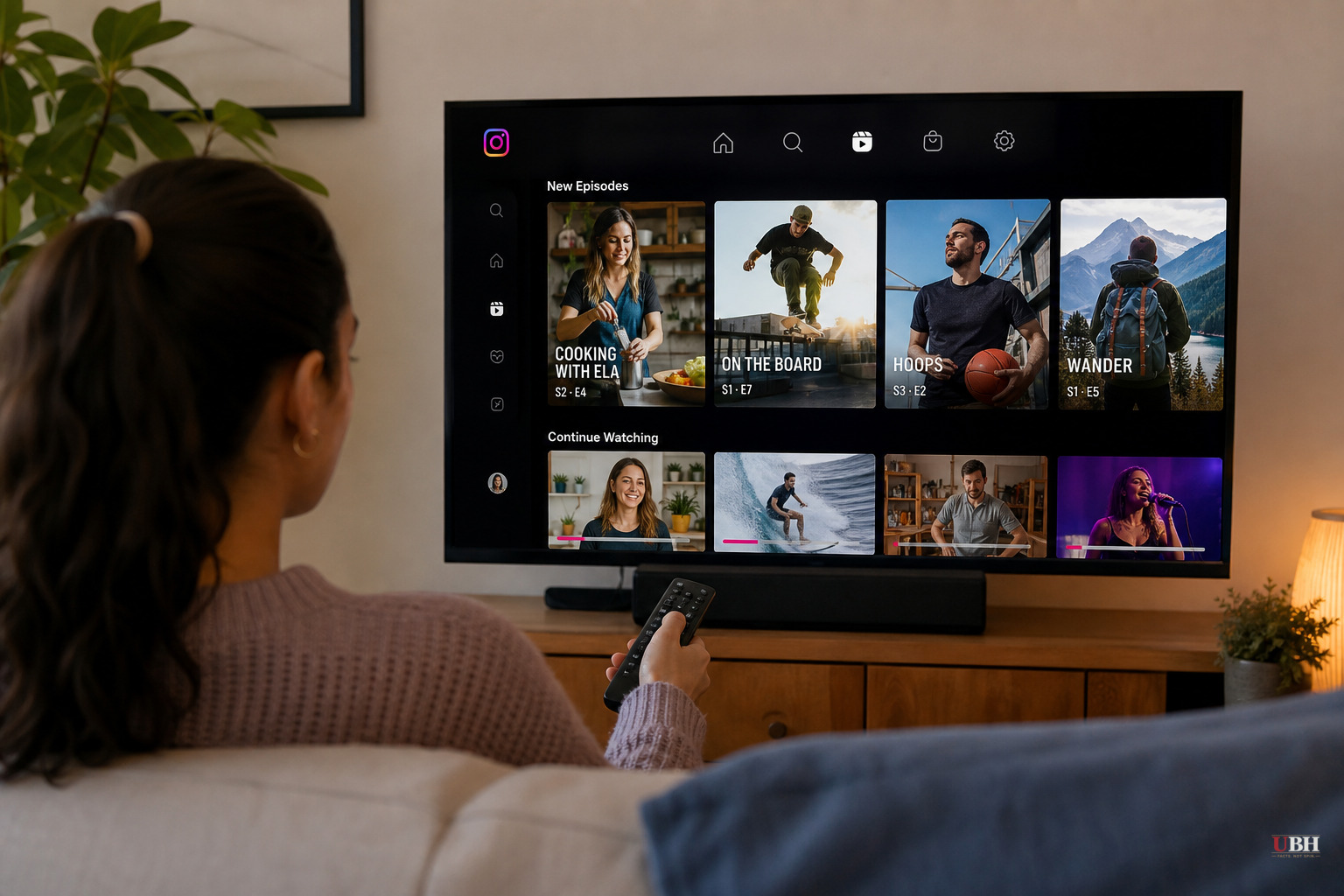
Instagram is reportedly working on a television app, according to Forbes contributor Novika Ishar, who covers media and entertainment. The reported goal isn't just stretching Reels across a bigger screen. It's pushing creators to build recurring shows instead of one-off viral clips.
For over a decade the internet ran on two separate tracks. Television meant scripted, professionally produced shows in the living room. Social media meant short, disposable posts optimized for the algorithm and the smartphone. Forbes says that wall is coming down.
What's Reportedly Changing
According to Forbes, Instagram is exploring features built for longer-form storytelling: horizontal video, episodic formats, and live programming aimed at television audiences rather than phone scrollers. None of this has been confirmed by Meta with a launch date or feature list. It's reported as a test, not a finished product.
If it happens the way Forbes describes it, the incentive structure for creators changes. Right now the game rewards volume: post constantly, chase trends, catch the algorithm before it moves on. A TV-style push rewards something closer to what network executives have always wanted: appointment viewing, franchises, characters people come back for week after week.
Forbes frames this as creators becoming "independent media entities" building actual intellectual property, not just content. A creator with a returning show and a built audience has something to sell, license, or spin off. A creator with a viral clip has fifteen minutes and an algorithm that forgets fast.
YouTube Already Proved the Model Works
Instagram isn't inventing this. Forbes points out that YouTube, once viewed primarily as a destination for desktop videos and viral clips, has become a significant presence on connected televisions, with viewers now watching documentaries, podcasts, educational programming, and creator-led series from their living rooms.
Vertical dramas, serialized short-episode shows built for mobile viewing, have also been gaining traction as a content category, a trend Forbes points to as evidence that formats move fluidly between screen sizes. Content doesn't stay locked to the device it was invented for.
So Instagram testing a TV app isn't a leap into the unknown. It's Meta watching a competitor win in a format it doesn't yet own and trying to catch up.
A Related, Unconfirmed Fix
There's also chatter about Instagram exploring changes aimed at fixing what's been called an awkward, longstanding social media annoyance, though specifics on what exactly is changing remain thin and unconfirmed by Meta.
What's Actually at Stake
The fair skeptical read: platforms have announced big pivots before that fizzled or took years to pay off. Nobody should assume this TV app rollout, if it happens, automatically works.
Meta has not put out an official statement confirming the app, its feature set, or a release date. Everything described comes from reported testing, not a product launch. Treat the specifics as provisional until Meta says otherwise.
Still, the direction makes business sense. Attention on phones is finite and expensive to buy. Attention on television screens, watched longer and with less distraction, is worth more to advertisers. If Instagram can get creators making shows people watch on their TV instead of clips people skip on their phone, that's a real upgrade to what Meta can charge advertisers and a real change in what it takes to succeed as a creator.
The open question is whether Instagram can pull creators into a slower, harder format without losing the speed and immediacy that made the platform valuable in the first place. YouTube took years to get long-form and TV viewing right. Whether Meta gets there faster, or at all, is still unproven.
Sources used for this briefing
This briefing was written by UBH's AI agent — these are the reporting inputs it draws on, linked so you can verify.


