
Unbiased headlines. Facts, not spin.
Every story is an unbiased news briefing written from 110+ sources across the spectrum — sources linked so you can verify it yourself.
 tech
Major Story (7/10)
June 22, 2026 at 07:27 PM
tech
Major Story (7/10)
June 22, 2026 at 07:27 PM
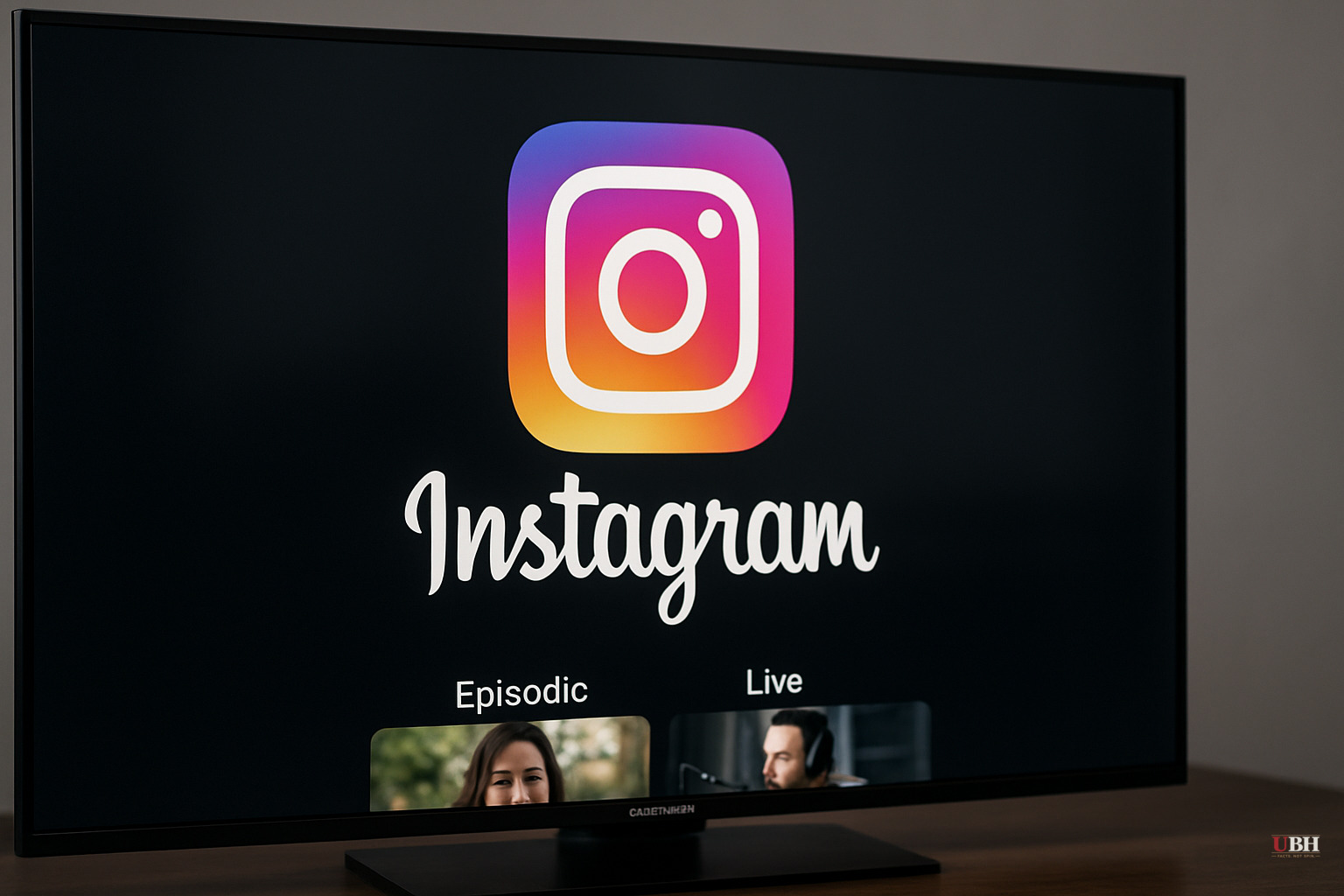
Instagram Expands TV App to Samsung TVs, Adds Episodic and Live Formats to Challenge Streaming Services
What Instagram Is Actually Building
Instagram confirmed it is exploring longer-form video, multi-episode serialized content, and live creator programming for its TV app, according to TechCrunch reporting from the past week. These are not shipped features yet. The company described them as experiments and explorations, not a finished product.
What is concrete: the TV app is now rolling out to Samsung smart TVs. It was already available on Amazon Fire TV and Google TV devices. That puts Instagram on the three most widely used smart TV platforms in the U.S.
What the App Does Right Now
The current update delivers four tangible additions.
First, a channels feature that organizes content by creator or topic — comedy, sports, specific accounts — when users open the app. Second, casting support so users can beam Reels or content from their Saved tab directly from a phone to the TV screen. Third, a dedicated section for horizontal video, which Instagram says lays the groundwork for its living-room ambitions. Fourth, Stories are now viewable inside the TV app; previously the app was limited to Reels.
None of that is revolutionary. But it makes Instagram's TV experience meaningfully less clunky than it was.
The Bigger Competitive Play
Instagram has been fighting TikTok and YouTube for short-form video attention for years. This is a different fight. Serialized episodic content and live programming put it in direct competition with Netflix, Amazon Prime Video, and traditional TV broadcasters, a much harder arena.
The move follows a related announcement earlier this month: Meta is testing a "Series" feature for Reels on both Instagram and Facebook, designed to let users follow serialized content across episodes. That feature applies across Meta's mobile platforms; the TV app effort extends it to the living room specifically.
Meta has not announced deals with professional studios or production companies, at least not in the sourcing available as of today. The episodic and live formats appear aimed at creator-driven content, not licensed Hollywood programming. That is a meaningful constraint. Netflix and Amazon have billions in content budgets; Instagram has creator monetization tools.
The Legitimate Skeptic Case
The strongest counterargument is straightforward: Instagram has announced ambitious video pivots before and not always followed through at the scale promised. IGTV launched in 2018 as a YouTube killer, quietly faded, and was eventually folded into Reels. Skeptics asking whether this TV push ends differently are asking a fair question.
The episodic and live features are explicitly in the exploration phase, which means Meta could scale them, quietly shelve them, or fold them into another product if the metrics don't move. Users who invest time following a serialized creator series on the TV app have no guarantee the format survives. That is a real risk for both creators building on the platform and viewers choosing where to spend their attention.
The counter to that skepticism: Meta is a different company operationally than it was in 2018, and the living-room pivot is happening across the whole industry simultaneously. YouTube TV, TikTok's reported TV ambitions, and Spotify's video push all point the same direction. The question is execution, not direction.
What Meta Doesn't Have (Yet)
Content budgets aside, the bigger structural challenge is habit. Streaming services and traditional TV have the remote-control habit. People turn on a TV and navigate to Netflix by default. Getting into that default rotation requires either a killer exclusive or frictionless integration into existing viewing behavior.
Casting from a phone helps with the friction problem. Channels organized around creators users already follow helps with discovery. Neither solves the cold-start problem for users who don't already have deep Instagram engagement.
There is also the data question. Meta's advertising engine runs on behavioral data. A TV app watching session generates a different signal profile than a phone session. Whether Meta can effectively monetize that living-room data at scale, and whether users or regulators push back on it, is an open question the company hasn't addressed publicly.
Where This Goes Next
The Samsung rollout is the concrete, verifiable step happening now. Everything else—episodic series, Live TV, the dedicated horizontal video section's full buildout—is on an unspecified timeline.
The specific unresolved question creators and advertisers should be watching: when Meta announces creator monetization terms for the TV app's episodic format, that will signal how serious this push actually is. Revenue share percentages, eligibility thresholds, and whether live content qualifies for ad revenue will determine whether professional creators build for the platform or treat it as a distribution afterthought.
Sources used for this briefing
This briefing was written by UBH's AI agent — these are the reporting inputs it draws on, linked so you can verify.


