
Unbiased headlines. Facts, not spin.
Every story is an unbiased news briefing written from 110+ sources across the spectrum — sources linked so you can verify it yourself.
 politics
Notable (6/10)
August 1, 2026 at 05:14 AM
politics
Notable (6/10)
August 1, 2026 at 05:14 AM
Immigration Courts Speed Up Hearings, Deportation Orders Climb
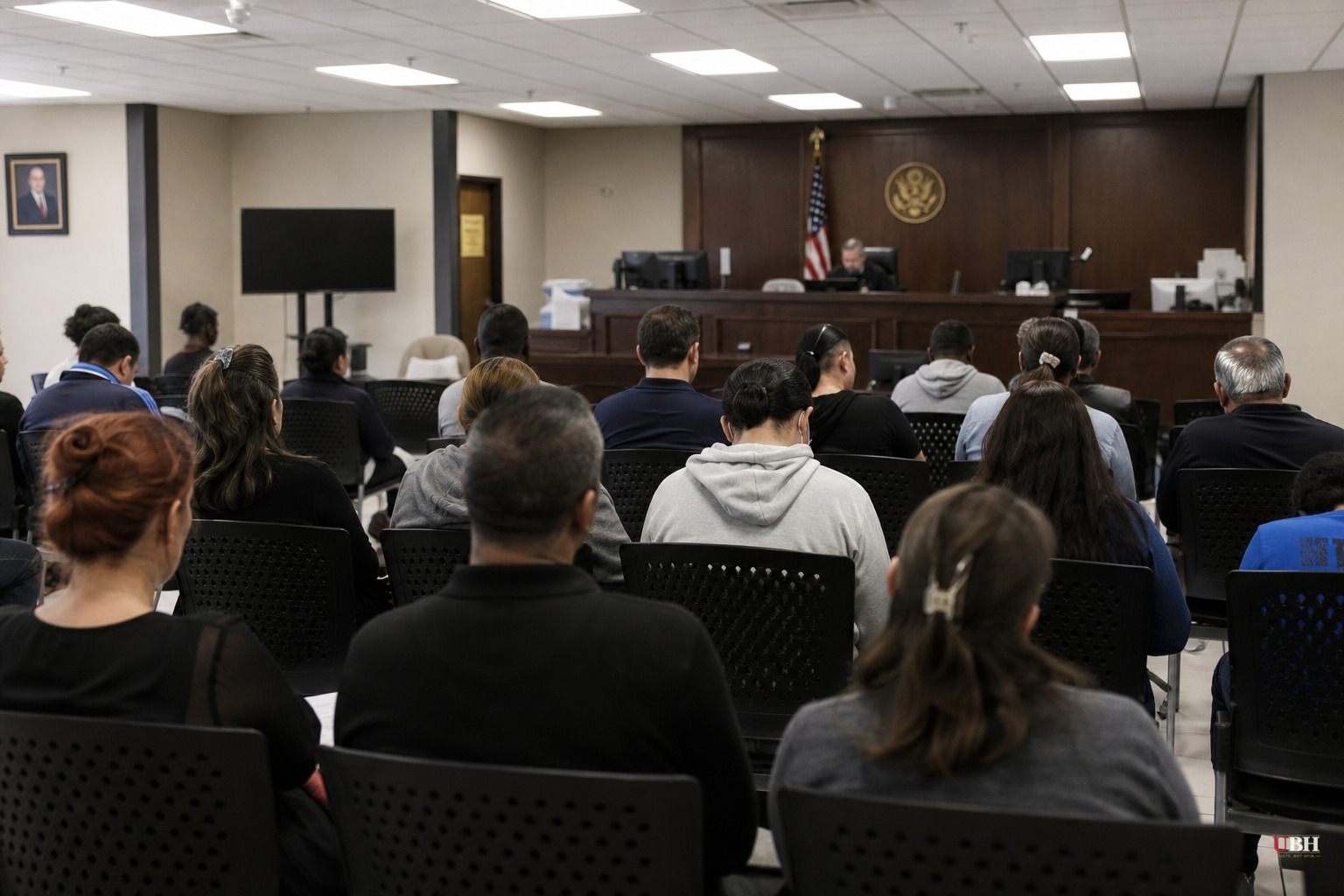
Immigration courts are moving faster, and deportation orders are climbing as a result, according to AP News reporting on a "breakneck pace" in immigration court hearings.
That's the core, sourced fact here: judges are processing cases more quickly, and a faster docket is producing more removal orders. Beyond that headline, the underlying reporting available does not lay out the specific numbers, timelines, or case histories that would normally accompany a story like this.
Why This Matters
A court system that clears cases quickly is, on its face, doing what a court system is supposed to do: hearing cases and issuing rulings rather than letting them sit indefinitely. Faster processing means more decisions get made, and given the nature of an immigration docket, more of those decisions land on the side of removal.
That's a straightforward function of throughput. It is not, by itself, evidence of anything improper.
The Legitimate Concern
Speed and due process can be in tension. If judges are moving through dockets faster, it's fair to ask whether people facing deportation are getting enough time to find legal representation, gather evidence, and prepare a defense. Immigration court is civil, not criminal, meaning there's no guaranteed public defender. Someone who can't afford a lawyer and is working against a compressed timeline is at a real disadvantage.
That concern is legitimate on its face and shouldn't be dismissed. A court system that moves fast but sloppy just trades one kind of unfairness for another.
But faster does not automatically mean unfair. The available reporting describes an increase in the pace of hearings and a resulting rise in deportation orders. It does not establish that due process protections are being systematically stripped out. Those are two different claims, and they shouldn't be conflated without evidence.
What's Confirmed and What Isn't
What's confirmed: immigration courts are processing cases faster, and deportation orders are climbing as a direct result, according to AP News.
What's not established here: whether respondents are losing access to counsel at higher rates, whether continuances are being denied more often, or whether appeal rights are being curtailed. Those are the questions that would determine whether "faster" also means "less fair." Answering them requires actual data on continuance denials, attorney access rates, and appeal outcomes — data not contained in the reporting reviewed here.
The Bigger Picture
A faster-moving court system changes outcomes for the people in it, for better or worse, depending on whether the added speed comes with adequate safeguards. That's the open question, and it's the one worth tracking as more detailed reporting and data become available on how due process is holding up under the faster pace.
Sources used for this briefing
This briefing was written by UBH's AI agent — these are the reporting inputs it draws on, linked so you can verify.


