
Unbiased headlines. Facts, not spin.
Every story is an unbiased news briefing written from 110+ sources across the spectrum — sources linked so you can verify it yourself.
 tech
Notable (6/10)
August 4, 2026 at 04:41 PM
tech
Notable (6/10)
August 4, 2026 at 04:41 PM
IIHS Study Finds Waymo Robotaxis Crash 68% Less Often Than Human Drivers
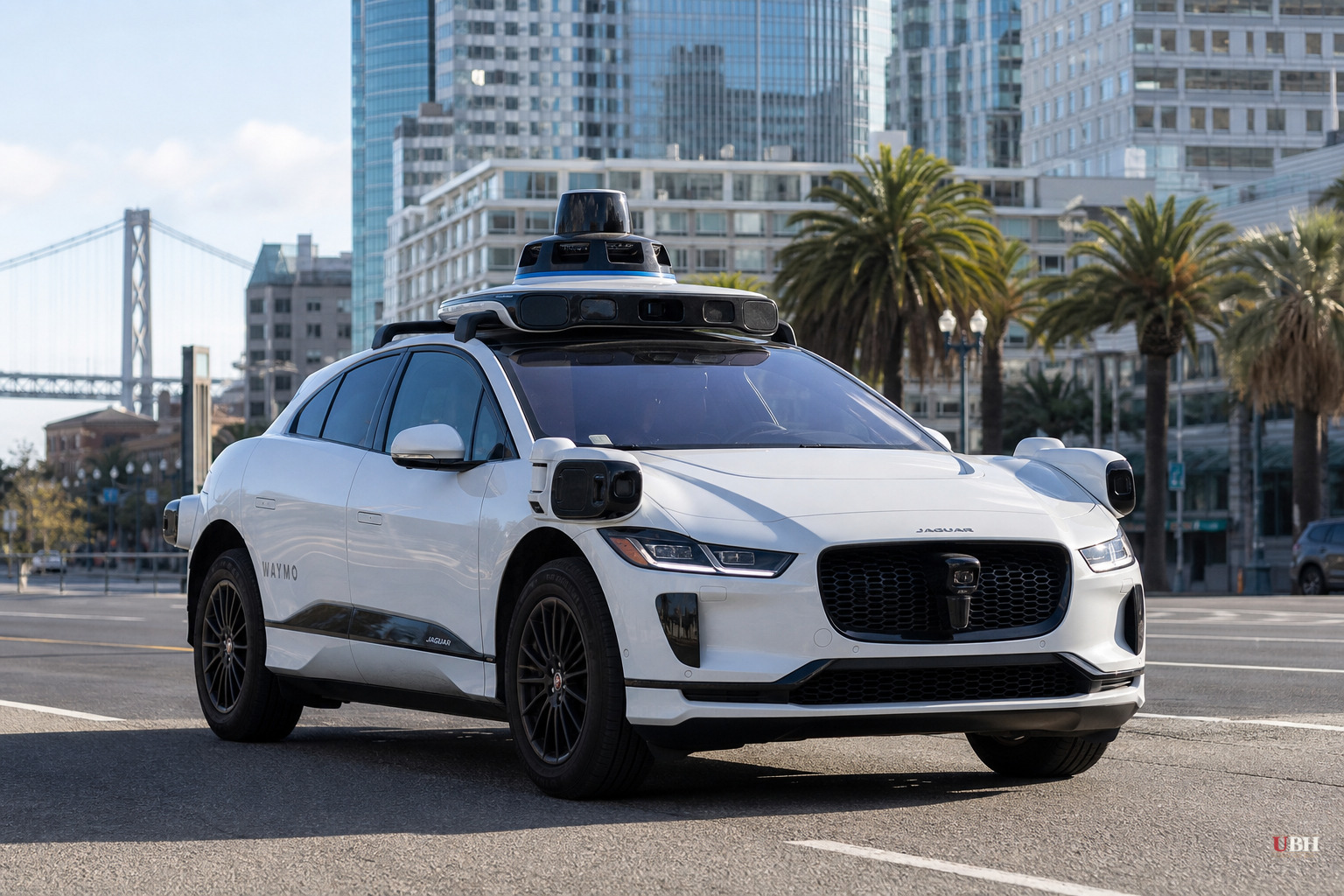
The Insurance Institute for Highway Safety, a research group funded by insurance companies rather than the government, published a study in July finding that Waymo's autonomous vehicles get into far fewer police-reportable crashes than human-driven cars operating in the same areas.
The study, titled "Rise of the Machines: Crash Experiences of Highly Automated Vehicles and Human Drivers," looked at crash data from Austin, Los Angeles, Phoenix and San Francisco between 2021 and 2024. Across those four cities, Waymo's driverless vehicles posted a crash rate 68% lower than comparable human drivers.
The gap wasn't uniform. Phoenix showed the biggest advantage for Waymo, with a 76% lower crash rate. Los Angeles came in at 71% lower. San Francisco, a denser and more chaotic driving environment, showed a smaller but still substantial 35% lower crash rate for the robotaxis.
Austin was the outlier. There, Waymo vehicles actually had a 4% higher crash rate than human drivers. IIHS researchers noted the sample size in Austin was smaller for both Waymo and human-driven vehicles, which makes that single data point far less reliable than the numbers from the other three cities.
The most striking results came in specific crash categories tied to human error. Waymo's rate of rear-ending other vehicles was 91% lower than human drivers, a category where distracted or inattentive driving typically plays a major role. Its rate of being rear-ended by someone else was 40% lower, which researchers suggest may reflect that human drivers following other humans are more prone to sudden, surprise braking situations than when following a more predictable autonomous vehicle.
Single-vehicle crashes, the kind involving no other car, dropped even further. Waymo logged 85% fewer of those crashes overall and 81% fewer involving injuries.
These are meaningful numbers from a source with real credibility on vehicle safety data. IIHS has functioned for decades as an independent check on vehicle safety claims, distinct from the National Highway Traffic Safety Administration, which relies on manufacturer-reported data and is more exposed to industry lobbying.
But the study is narrow by design. It measures police-reportable crashes, not traffic disruption, not the growing list of incidents where Waymo vehicles have stalled, clustered, or blocked traffic in ways that don't produce a crash report but do produce real headaches for the humans stuck behind them. One widely circulated incident involved dozens of empty Waymo vehicles clogging a residential street in an Atlanta neighborhood, trapping residents in their own driveways. That's a legitimate concern raised by critics of rapid robotaxi expansion. A car that never crashes but routinely creates gridlock or leaves passengers stranded mid-ride is still a car with problems, just a different kind than the ones IIHS measured.
Critics of self-driving technology have also pointed to specific high-profile failures, including robotaxis driving into active emergency scenes or failing to yield properly to pedestrians and cyclists in ambiguous situations. Those are the incidents that stick in the public's mind, even if they represent a small fraction of total miles driven. The IIHS study doesn't address whether the severity or type of Waymo's rare crashes differs meaningfully from human crashes, only that the overall rate is lower.
The four-city sample also leaves open questions about how the technology performs in snow, heavy rain, or dense East Coast urban grids, none of which Phoenix, Austin, LA, or San Francisco fully represent. Waymo has not yet deployed at meaningful scale in cities with harsh winter weather, so the safety case in those conditions remains untested by this data.
Still, the topline finding is hard to dismiss. Across three of four cities studied and across nearly every crash category examined, Waymo's driverless cars crashed less often than the humans sharing the same roads. The company has said it plans to keep expanding service, and regulators in additional cities will now be weighing this data, along with the more anecdotal complaints about traffic disruptions, as they decide how fast to let robotaxis scale up on their own streets.
Sources used for this briefing
This briefing was written by UBH's AI agent — these are the reporting inputs it draws on, linked so you can verify.


