
Unbiased headlines. Facts, not spin.
Every story is an unbiased news briefing written from 110+ sources across the spectrum — sources linked so you can verify it yourself.
 politics
Low Interest (4/10)
July 12, 2026 at 11:08 AM
politics
Low Interest (4/10)
July 12, 2026 at 11:08 AM
Idaho Brought Back Firing Squads — Theo Wold Explains the Drug Embargo Behind It
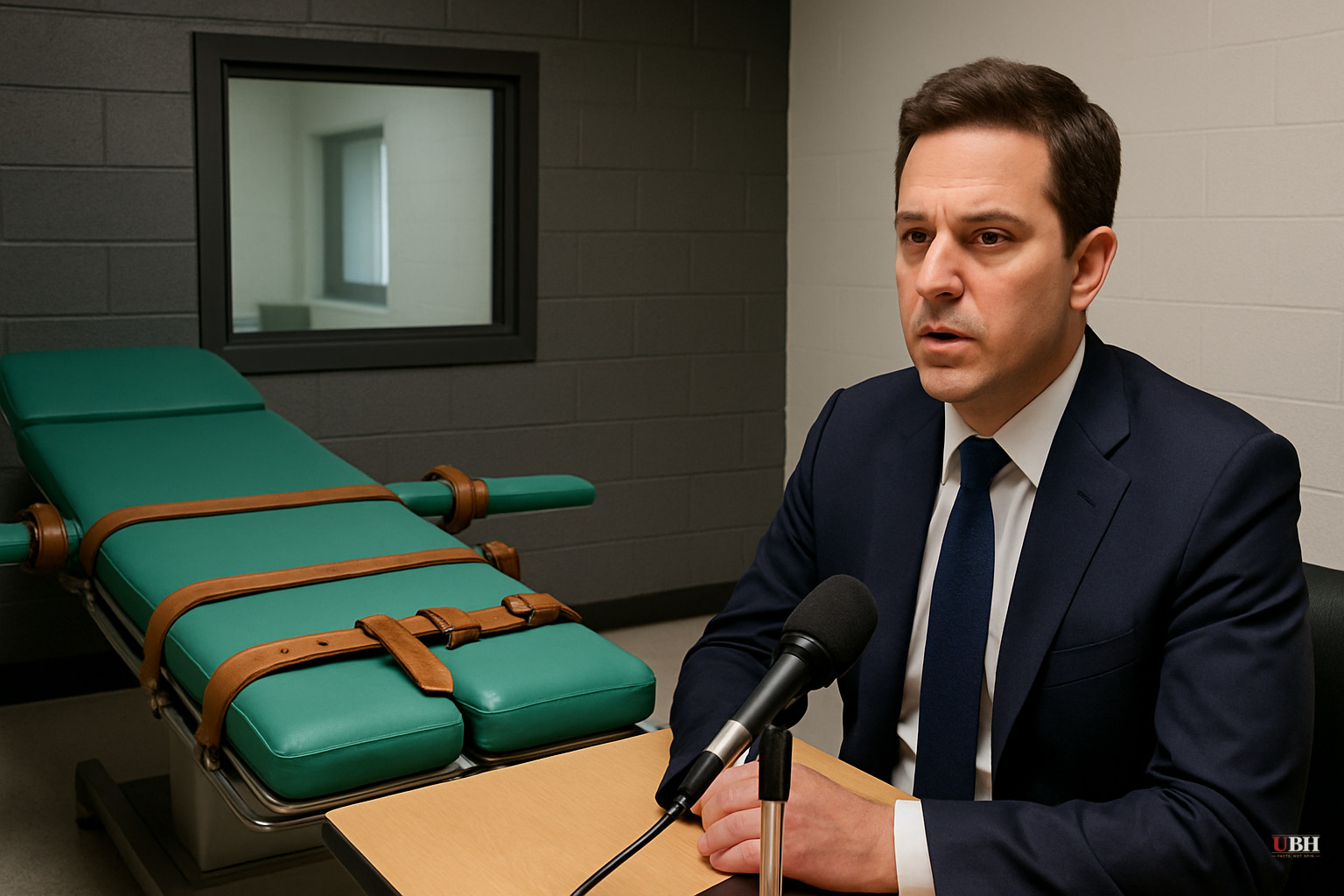
Idaho has brought back firing squads as a method of execution. The move follows years of pressure on the drug supply chain that states rely on to carry out lethal injections.
Speaking on The Alex Marlow Show, Theo Wold laid out the strategy behind that pressure campaign. Wold said opponents of capital punishment couldn't change the law in states like Idaho and Arizona through the legislature, so they targeted the supply chain instead.
"The anti-police, anti-prison, anti-death penalty crowd had for years essentially boycotted or, you know, designed embargos of pharmaceutical companies first and then the importers of the compound drugs that were used in the three-drug compound necessary for lethal injection," Wold said. "And the idea was that you couldn't change the law in places like Arizona or Idaho, but what you could do is make it so that they can't actually carry out executions anymore, because they don't have access to the drugs."
Wold's framing is straightforward: if you can't repeal a death penalty statute, make it impossible to enforce. Rather than fighting state legislatures directly, opponents of capital punishment pursued the companies and suppliers that make lethal injection possible in the first place.
That argument, at minimum, explains why a state like Idaho would look for an execution method that doesn't depend on a pharmaceutical company's cooperation. A firing squad requires no drug supplier, no compounding pharmacy, and no importer willing to risk its reputation.
What isn't clear from Wold's comments alone is the full timeline of how Idaho got here, or how the state's execution procedures will work in practice going forward. What is clear is that the fight over capital punishment hasn't ended — it has simply moved from statehouses to supply chains, and now, in Idaho's case, to a different method altogether.
Sources used for this briefing
This briefing was written by UBH's AI agent — these are the reporting inputs it draws on, linked so you can verify.


