
Unbiased headlines. Facts, not spin.
Every story is an unbiased news briefing written from 110+ sources across the spectrum — sources linked so you can verify it yourself.
 politics
Major Story (7/10)
July 22, 2026 at 02:07 PM
politics
Major Story (7/10)
July 22, 2026 at 02:07 PM
ICE's Own Staff Warned About Overcrowding at NYC Holding Site. Detainees Stayed Packed In Anyway.
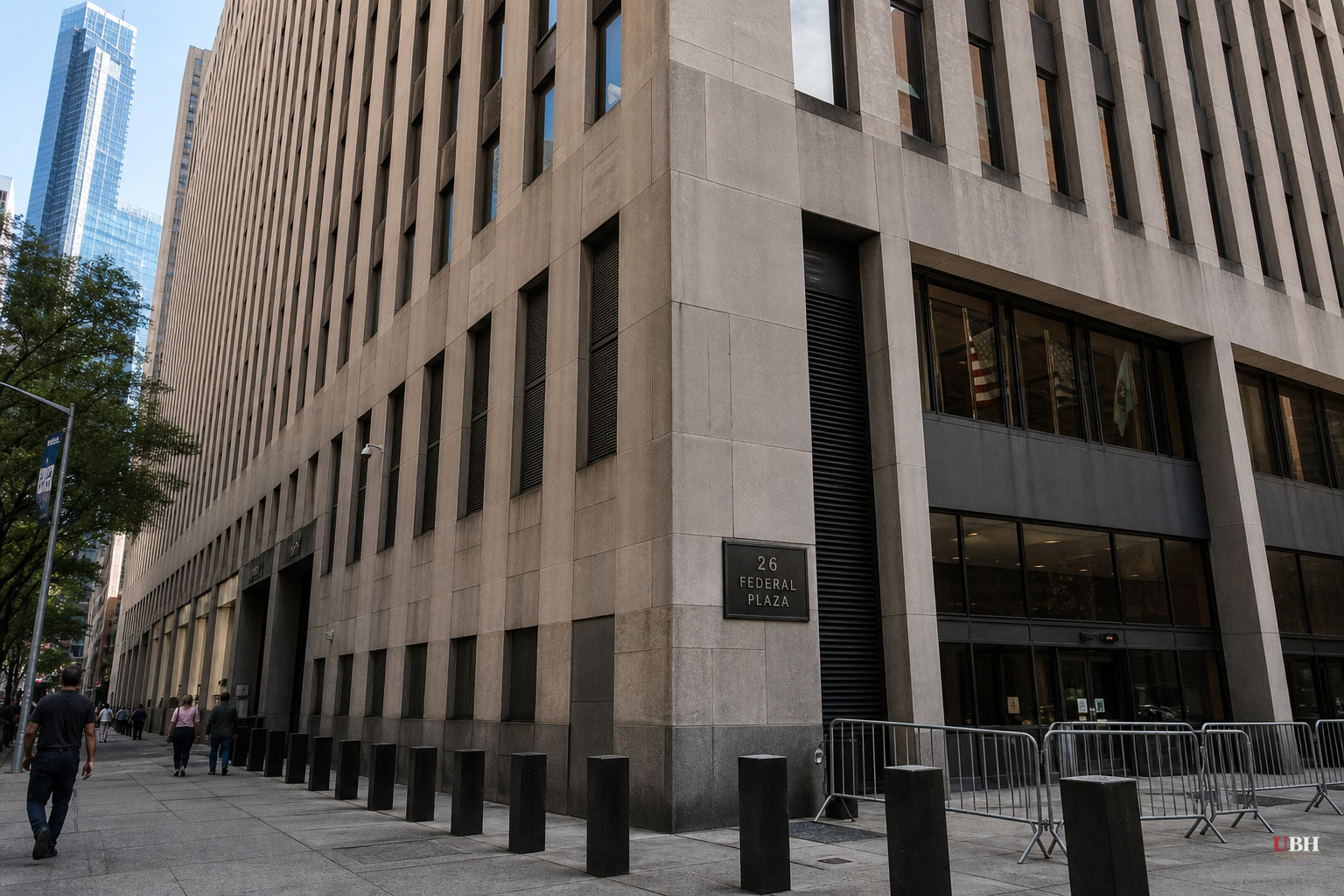
ICE's own supervisors called it insane. Then they kept packing people in anyway.
Internal emails and text messages released in federal court in May, and reviewed by the Washington Post, show ICE officials at 26 Federal Plaza in Manhattan repeatedly warning colleagues about dangerous overcrowding at the facility's 10th-floor holding rooms. Those rooms were designed to hold a handful of detainees for a few hours. For weeks, they held dozens.
"This is insane," Carla Calidonio, an ICE assistant field office director, wrote on June 14, according to the documents. Less than a month later, on July 11, another assistant field office director, Nancy Zanello, wrote that "we have had multiple hospital stays this week." By Aug. 7, a supervisory detention and deportation officer named Lige Hampton wrote, "Hopefully we don't wait until something negative happens."
The warnings came from inside the agency running the facility. These aren't activist lawyers or outside watchdogs guessing at conditions, but ICE's own assistant field office directors and supervisors documenting the problem in writing in real time.
What Detainees Say Happened
According to sworn testimony cited by the Post, detainees slept sitting up because there wasn't room to lie down. The rooms had no beds and no showers. Detainees with serious medical conditions, including tuberculosis, an ovarian cyst, and kidney failure, went without adequate care because the facility lacked full-time medical staff, the internal documents show.
"I was just a body that they crammed into a room, almost as if to be forgotten," former detainee Nuvia Martinez said in sworn testimony included in the court filings.
A federal judge has since temporarily capped 26 Federal Plaza's capacity, according to the Post's reporting on the underlying lawsuit, which a former detainee brought against the Department of Homeland Security.
Why This Happened
The crowding traces back to a straightforward operational bottleneck. ICE agents in New York were arresting immigrants faster than the agency could transport them to longer-term detention centers, according to the internal communications. Rooms built for waits of a few hours became holding pens for days.
This is a direct byproduct of the Trump administration's deportation targets. After taking office for his second term, President Trump signed an executive order aimed at what he called the "unprecedented flood of illegal immigration," and his officials directed ICE to hit arrest quotas of 1,200 to 1,500 people per day. That volume strained the transport and detention pipeline, and 26 Federal Plaza is one facility among many where the strain showed up as overcrowding, according to daily population data ICE provided to the Deportation Data Project, a Freedom of Information Act-based research effort out of UC Berkeley and UCLA that the Post analyzed.
The Fair Read on Both Sides
There's a legitimate argument that enforcing immigration law means processing large numbers of people quickly, and that surges in arrests will always create temporary logistical strain somewhere in the system. Nobody disputes ICE has a mandate to enforce the law, and ramping up enforcement after years of record illegal crossings under the Biden administration was a stated campaign promise Trump was elected to deliver on.
But a strained pipeline doesn't excuse ignoring your own staff's written warnings for weeks. The emails show this wasn't a one-day surge that caught everyone off guard. Calidonio's "insane" email came in mid-June. Zanello's hospital-stay warning came nearly a month later, in July. Hampton's warning that they shouldn't wait for tragedy came in August. That's a pattern management should have acted on well before a federal judge had to step in and cap the facility's population.
No criminal charges have been filed over conditions at 26 Federal Plaza, and DHS has not been quoted disputing the authenticity of the internal emails in the reporting reviewed here. The claims about specific medical neglect, including the tuberculosis and kidney failure cases, come from the plaintiff's sworn testimony and internal ICE communications entered into the court record, not from an independent medical review. A lawsuit's exhibits are chosen to support the plaintiff's case.
What Happens Next
The underlying lawsuit against DHS continues, and the court-ordered capacity cap at 26 Federal Plaza remains in place for now. The bigger question is whether similar overcrowding is happening at other temporary ICE holding sites around the country that haven't yet produced a lawsuit or a document release. The Deportation Data Project's population figures, which the Post says it analyzed for facilities beyond just 26 Federal Plaza, suggest this bottleneck between arrests and long-term detention capacity is not unique to Manhattan.
Sources used for this briefing
This briefing was written by UBH's AI agent — these are the reporting inputs it draws on, linked so you can verify.


