
Unbiased headlines. Facts, not spin.
Every story is an unbiased news briefing written from 110+ sources across the spectrum — sources linked so you can verify it yourself.
 politics
Major Story (7/10)
July 12, 2026 at 05:35 AM
politics
Major Story (7/10)
July 12, 2026 at 05:35 AM
ICE Street Arrests in Houston Quadrupled Under Trump Before Fatal Shooting, Texas Tribune Data Shows
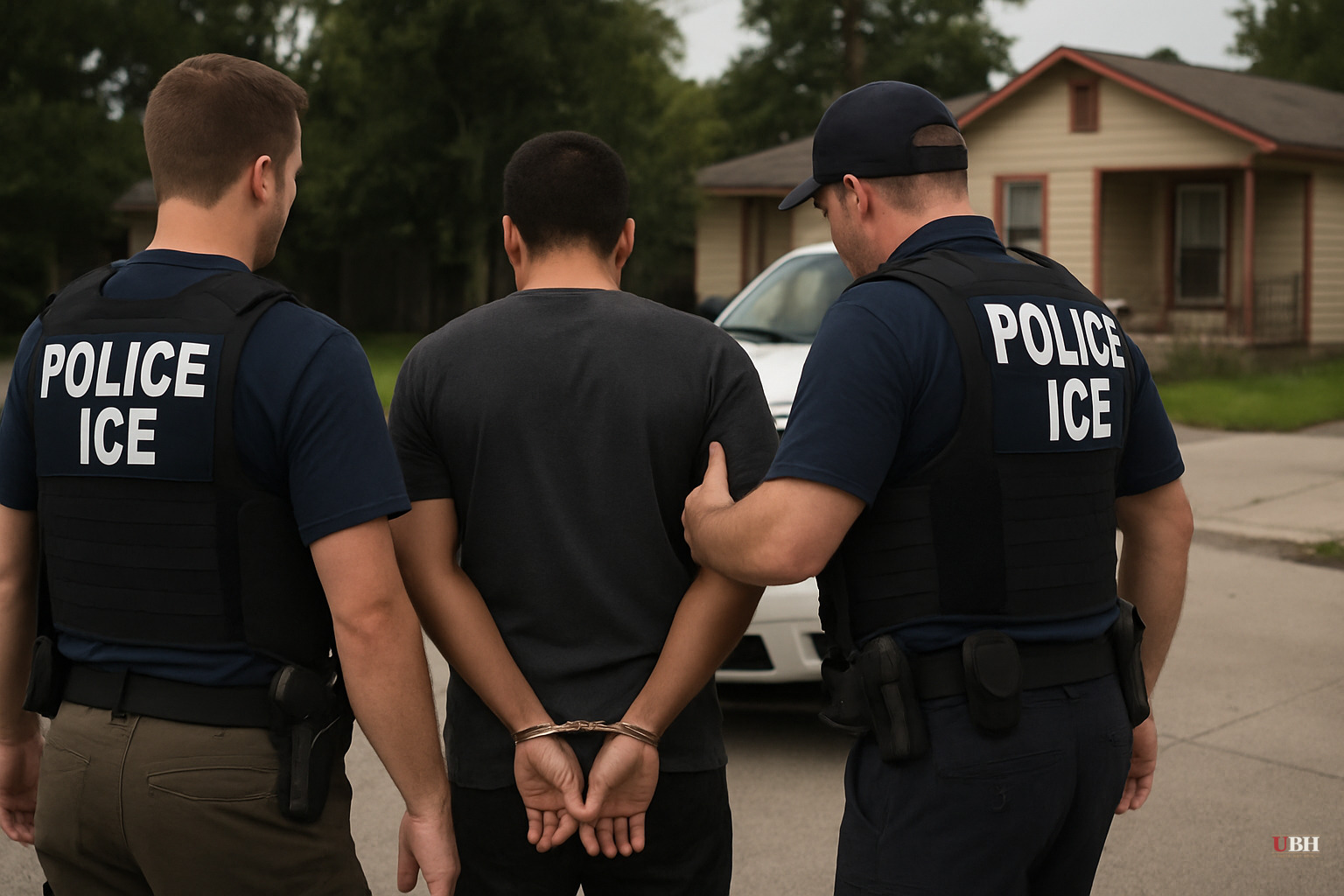
Since ICE agents shot and killed Lorenzo Salgado Araujo on July 7 in a case of mistaken identity, the story has moved from the shooting itself to the pattern of enforcement behind it.
A Texas Tribune analysis of federal arrest data, obtained through the Deportation Data Project's Freedom of Information Act requests, found that ICE arrests outside of jails and detention facilities in Houston jumped from a monthly average of 150 under President Biden to more than 640 during the first 13 months of the Trump administration. Community arrests, meaning stops on streets, in homes, and in public places rather than jail pickups, went from 16% of all Houston arrests under Biden to nearly a third by early March 2026.
Statewide, the shift was even sharper. Community arrests in Texas rose from 14% to 36% of the total. Nationwide the increase was smaller but still real, climbing from 34% to 43%, according to the Tribune's review.
Fewer Criminal Records, More Volume
The same data shows the share of Houston arrests involving people with criminal convictions fell from 61% under Biden to 39% under Trump, even as total arrest volume grew. ICE made about 7,100 arrests statewide in February 2026, with 1,660 of them in Houston, up from roughly 4,200 statewide a year earlier.
César Cuauhtémoc García-Hernández, an immigration law professor at Ohio State University, told the Tribune the strategy shift toward public encounters raises the odds of violent confrontations. "The shooting of the gentleman in Houston is exactly the tragic outcome to the kind of on-the-street encounter between ICE and residents of local communities that has become increasingly common, but also increasingly violent," he said.
DHS Pushes Back on the Data
The Department of Homeland Security disputed the analysis in a Friday statement, calling it cherry-picked. "This data is being cherry-picked by the Deportation Data Project to peddle a false narrative," DHS said, adding that neither DHS nor ICE has verified the project's methodology or results.
The Deportation Data Project is run by immigration lawyers and professors, not a neutral government auditor, and DHS hasn't confirmed its numbers match the agency's internal accounting. The underlying records were pulled from ICE's own systems through FOIA, the standard method reporters and researchers use when agencies don't release data voluntarily. DHS's objection is to the framing and analysis, not to the raw arrest figures themselves.
There's also a legitimate policy argument behind the shift itself. Sanctuary city and county policies in some jurisdictions limit how much local jails cooperate with ICE detainers, which pushes federal agents toward field arrests instead of jail pickups. That's a real operational constraint, not just an aggressive choice, and it's the kind of tradeoff critics of sanctuary policies have warned about for years.
Confirmation on the Target, No Evidence Yet on the Shooting
Separately, Democratic Rep. Sylvia Garcia, whose district includes the shooting site, said acting ICE Director David Venturella personally confirmed to her that Salgado Araujo "was not a target" of the operation. DHS has said agents were surveilling a property where they'd previously spotted two white vans and stopped Salgado Araujo's van because the driver resembled the actual target.
DHS maintains the officer fired in self-defense after Salgado Araujo ignored commands and rammed an ICE vehicle. No body camera footage exists because, DHS said, the field office hadn't yet been issued the devices, a delay the agency attributed to "back-to-back Democrat shutdowns." Houston Rep. Christian Menefee rejected that explanation, saying Republicans in Congress, not Democrats, control whether ICE gets funded for the equipment it wants.
No independent investigation into the shooting has been announced by DHS, the Justice Department, or any outside body. No charges have been filed. Rep. Garcia has called for outside investigators to be brought in, saying "we've got to do something."
The unresolved question is whether the Tribune's arrest data and the Salgado Araujo shooting are connected by more than timing, or whether they're two separate stories that happened to collide in the same city in the same week. DHS says the data is unreliable. The agency hasn't yet released its own competing numbers to prove it.
Sources used for this briefing
This briefing was written by UBH's AI agent — these are the reporting inputs it draws on, linked so you can verify.


