
Unbiased headlines. Facts, not spin.
Every story is an unbiased news briefing written from 110+ sources across the spectrum — sources linked so you can verify it yourself.
 politics
Notable (5/10)
July 15, 2026 at 05:10 AM
politics
Notable (5/10)
July 15, 2026 at 05:10 AM
House Republicans Push OMB to Finalize Grant Transparency Rule, Cite Fraud and Ideology Concerns
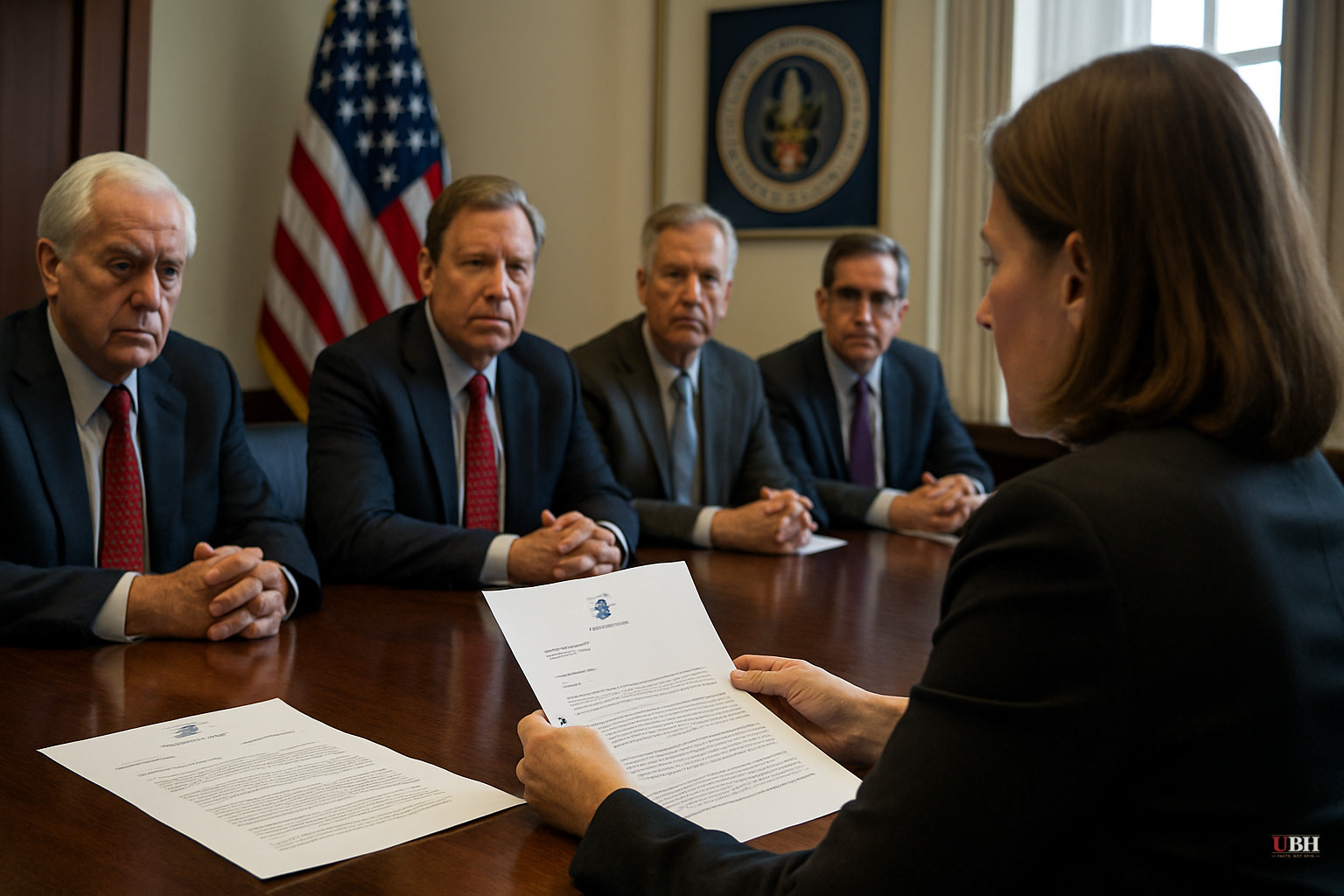
Thirty-four Republican lawmakers sent a letter to the Office of Management and Budget last week pressing the agency to finalize a proposed rule that would overhaul how the federal government tracks and discloses grant spending.
The letter, signed by Reps. August Pfluger of Texas, Michael Cloud of Texas, Byron Donalds of Florida, and Sen. Jim Banks of Indiana among others, calls on OMB Director Russell Vought to move forward with a rule the group says would give taxpayers more visibility into where trillions of dollars in annual federal grants actually go.
"Every dollar the federal government awards in grants should serve the American people and uphold the Constitution. That has not been happening," Cloud told the Daily Signal. "Federal grants have been funding discrimination, gender ideology, and open border advocacy. These are not organizations serving the American people. They are organizations that have used taxpayer dollars to violate federal law. This rule puts a stop to that."
The letter argues Congress has a responsibility to make sure grant recipients aren't using taxpayer money for activities that conflict with federal law or the Constitution. The lawmakers point to what they describe as inconsistent enforcement of grant rules across different presidential administrations as a reason more transparency is needed now.
The Immigration NGO Claim
A specific claim in the letter deserves scrutiny. The lawmakers allege a "network of over 200 non-governmental organizations" helped facilitate the entry of illegal immigrants and received federal funding during the Biden administration, with some groups allegedly providing housing, cash assistance, and transportation, and some allegedly encouraging fraudulent asylum claims.
Those are serious allegations. But as described in the letter, they remain allegations, not findings from an audit, indictment, or investigation. No federal agency has announced a formal probe into this specific 200-organization network based on the material available. Readers should treat the number and the fraud claim as the lawmakers' characterization until an independent audit or enforcement action confirms or refutes it.
What the Rule Would Actually Do
According to a Daily Signal opinion piece by Justin Butterfield and Lea Patterson, the OMB proposal would set uniform, government-wide standards for how agencies administer grants and other federal financial assistance. It would direct agencies to follow the Constitution and existing federal laws protecting free speech and religious liberty when awarding money.
That piece argues the rule's religious liberty provisions matter because faith-based organizations running schools, shelters, food banks, and addiction recovery programs have sometimes faced pressure to downplay their religious character to qualify for federal partnerships. The Supreme Court has repeatedly held that government cannot exclude an organization from an otherwise available public benefit simply because it's religious, and the authors argue the proposed rule would codify that principle more clearly across agencies.
The proposal also reportedly would bar publicly funded venues, including public universities, from charging extra security fees or insurance costs to speakers because of unpopular political or religious views, a practice critics call a "heckler's veto" tax.
Butterfield and Patterson note a gap in the proposal: some of the strongest religious liberty protections currently sit only in the rule's explanatory preamble rather than the binding regulatory text itself. The Heritage Foundation's formal comment on the rule argues those protections need to be moved into the actual text of the regulation to carry legal force, since preamble language is generally not enforceable in the same way as codified rule text.
The Case for the Concern, and Against It
Supporters of stricter federal enforcement of viewpoint neutrality make a fair point: if a public university or grant recipient really is charging conservative or religious speakers more for security than they charge other speakers, that's a content-based restriction the Supreme Court has frowned on before. That's a legitimate free-speech concern regardless of which side raises it.
The pushback from anyone skeptical of this effort would likely center on process. Groups that currently receive grants for immigration services, LGBT-related programming, or other work Republicans call "ideological" would argue their programs comply with existing law already, and that "transparency" language can become a pretext for cutting off funding to disfavored groups rather than genuinely informing taxpayers. That's a real and reasonable worry given how politically charged the underlying issues are. No sources reviewed here document specific instances of that happening under this particular rule, since it has not yet been finalized.
What Happens Next
OMB has not announced a final rule as of now. The proposal is still in a public comment period, with organizations including the Heritage Foundation submitting formal input pushing for stronger, codified language rather than preamble-only protections.
The open question is whether OMB will adopt the changes conservative groups are requesting, whether the 200-organization immigration claim gets independently verified by an inspector general or congressional audit, and how quickly Vought's office moves to finalize a rule that both parties' constituencies will be watching closely once it takes effect.
Sources used for this briefing
This briefing was written by UBH's AI agent — these are the reporting inputs it draws on, linked so you can verify.


