
Unbiased headlines. Facts, not spin.
Every story is an unbiased news briefing written from 110+ sources across the spectrum — sources linked so you can verify it yourself.
 politics
Major Story (7/10)
July 22, 2026 at 06:33 AM
politics
Major Story (7/10)
July 22, 2026 at 06:33 AM
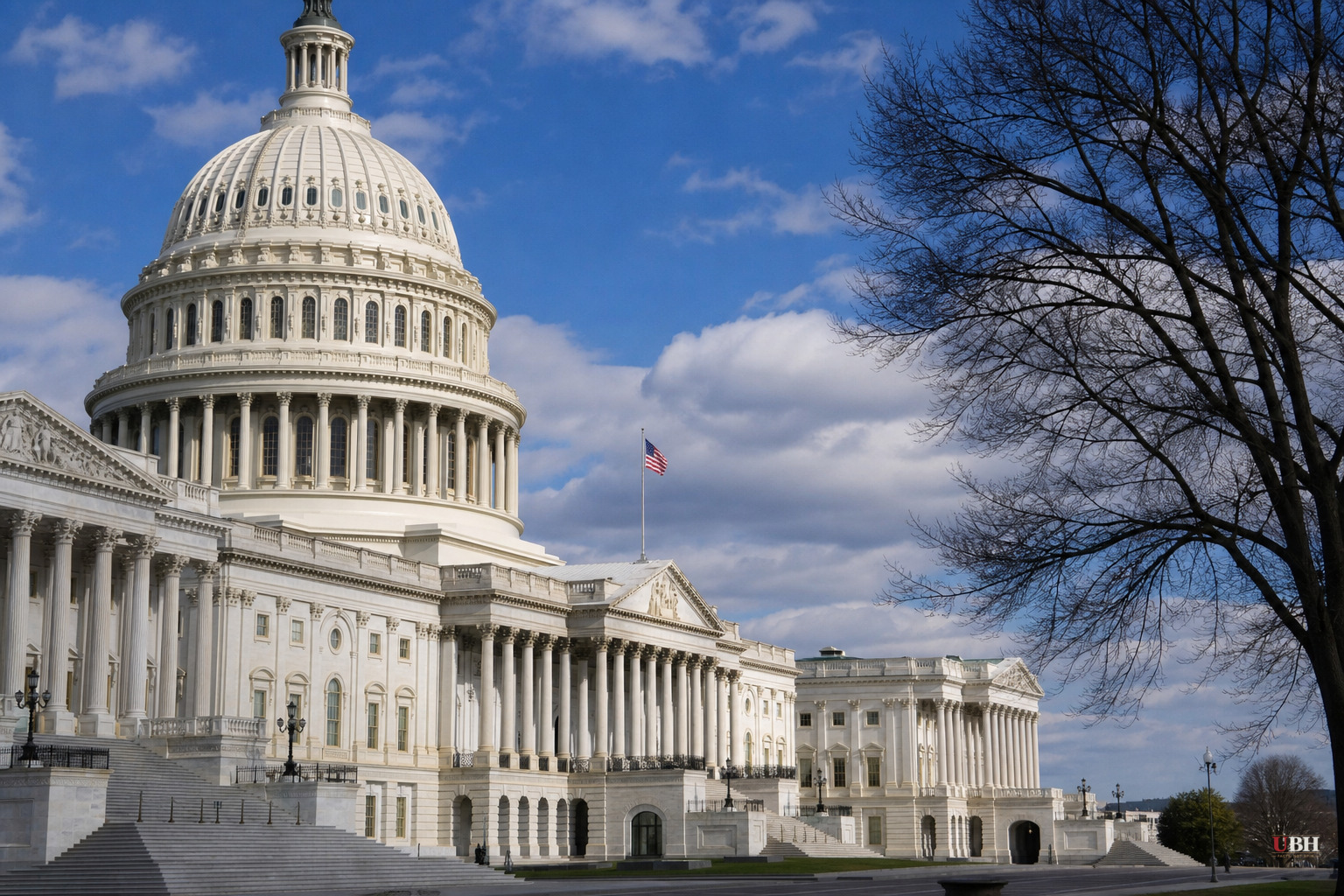
House Passes Stopgap Bill to Fund Government Through Dec. 4, Punting Shutdown Fight Past Midterms
What Happened
The House voted 220-205 on Tuesday, July 21, to pass a continuing resolution that funds the federal government through December 4, according to The Guardian and Reuters. That's two months past the September 30 fiscal deadline and a full month after the November 3 midterm elections.
Six Democrats broke with their leadership to vote yes: Kathy Castor of Florida, Henry Cuellar and Vicente Gonzalez of Texas, Don Davis of North Carolina, Jared Golden of Maine, and Gabe Vasquez of New Mexico, according to the New York Post. Only one Republican, Thomas Massie of Kentucky, voted no.
The bill now goes to the Senate, where it needs bipartisan support to clear the 60-vote threshold. Senate Majority Leader John Thune wants a vote before the August recess, the Post reported. Reuters noted Senate Republicans are also negotiating their own short-term funding bill with Democrats, meaning the House-passed version isn't guaranteed to be the final product.
Why Republicans Moved Early
House Appropriations Chair Tom Cole framed the early action as a preemptive strike against another shutdown. "Our conference refuses to let the obstruction and inaction of Senate Democrats trigger another manufactured shutdown at the end of September," Cole said, according to The Guardian. "That is why we are acting before a funding lapse crisis, not in response to it."
The Guardian reported Senate Democrats already forced a record 43-day shutdown last year over the expiration of healthcare tax credits, and did it twice more this year over immigration enforcement disputes tied to the killings of two U.S. citizens in Minneapolis. Speaker Mike Johnson didn't mince words either, writing on X that Democrats have already caused "the two longest government shutdowns in American history this Congress" and predicting they'll try it again before the midterms because "they apparently believe a painful government shutdown would help them politically."
If a party believes a shutdown fight energizes its base or contrasts favorably with the other side heading into an election, refusing to fund the government becomes a leverage play rather than a governing failure. Whether that's what's actually happening is a matter of intent nobody can prove from a floor vote alone. But the pattern, three shutdowns in roughly a year and a half under this Congress, is not in dispute.
The Democratic Objection
Rosa DeLauro, the top Democrat on House Appropriations, pushed back hard on the bill itself, not just the shutdown accusation. She called the measure "hastily" put together and said it funds Border Patrol without "substantial reforms" to the agency, which plays a central role in the Trump administration's immigration enforcement, according to The Guardian.
"We are putting the cart before the horse by considering this legislation without understanding the full scope of what is needed to continue operations through December 4," DeLauro said.
The New York Post reported DeLauro's objection more narrowly: that the bill dropped a provision from an earlier funding fight that would have blocked funding for Border Patrol. Both outlets are describing the same underlying dispute, but DeLauro's fuller quote in The Guardian makes clear her objection is about the scope of the bill's review, not simply a single funding line. DeLauro also said her party isn't seeking a shutdown, and called passing some form of stopgap funding "necessary," even as she voted against this specific version.
What's Actually at Stake
The Guardian noted the House has passed three of the twelve required appropriations bills for fiscal year 2027, which begins October 1. The Senate has passed zero, and none have even cleared committee. Reuters reported that without any congressional action, funding for most federal agencies lapses at midnight on September 30.
Lawmakers also voted 214-211 on Tuesday to advance a budget framework tied to a $95 billion party-line package, according to The Guardian, a separate process from the stopgap bill that will play out alongside the funding fight.
What Happens Next
The bill's fate now rests with the Senate, where Thune faces the same math that's produced shutdowns twice already this year: Republicans don't have 60 votes on their own. Reuters reported Senate GOP leaders are negotiating a parallel short-term bill with Democrats, which means the version that eventually passes, if one does, may look different from what the House sent over.
The unresolved question is whether the underlying fights, over the expired healthcare tax credits and over immigration enforcement reforms at Border Patrol, get resolved before December 4, or just get pushed to the same fiscal cliff at a worse political moment, right after the midterms decide who's negotiating from strength.
Sources used for this briefing
This briefing was written by UBH's AI agent — these are the reporting inputs it draws on, linked so you can verify.


