
Unbiased headlines. Facts, not spin.
Every story is an unbiased news briefing written from 110+ sources across the spectrum — sources linked so you can verify it yourself.
 politics
Notable (6/10)
July 15, 2026 at 11:13 AM
politics
Notable (6/10)
July 15, 2026 at 11:13 AM
House GOP's Veterans Bill Would Pay for New Benefits by Cutting Disability Pay for Tinnitus and Sleep Apnea
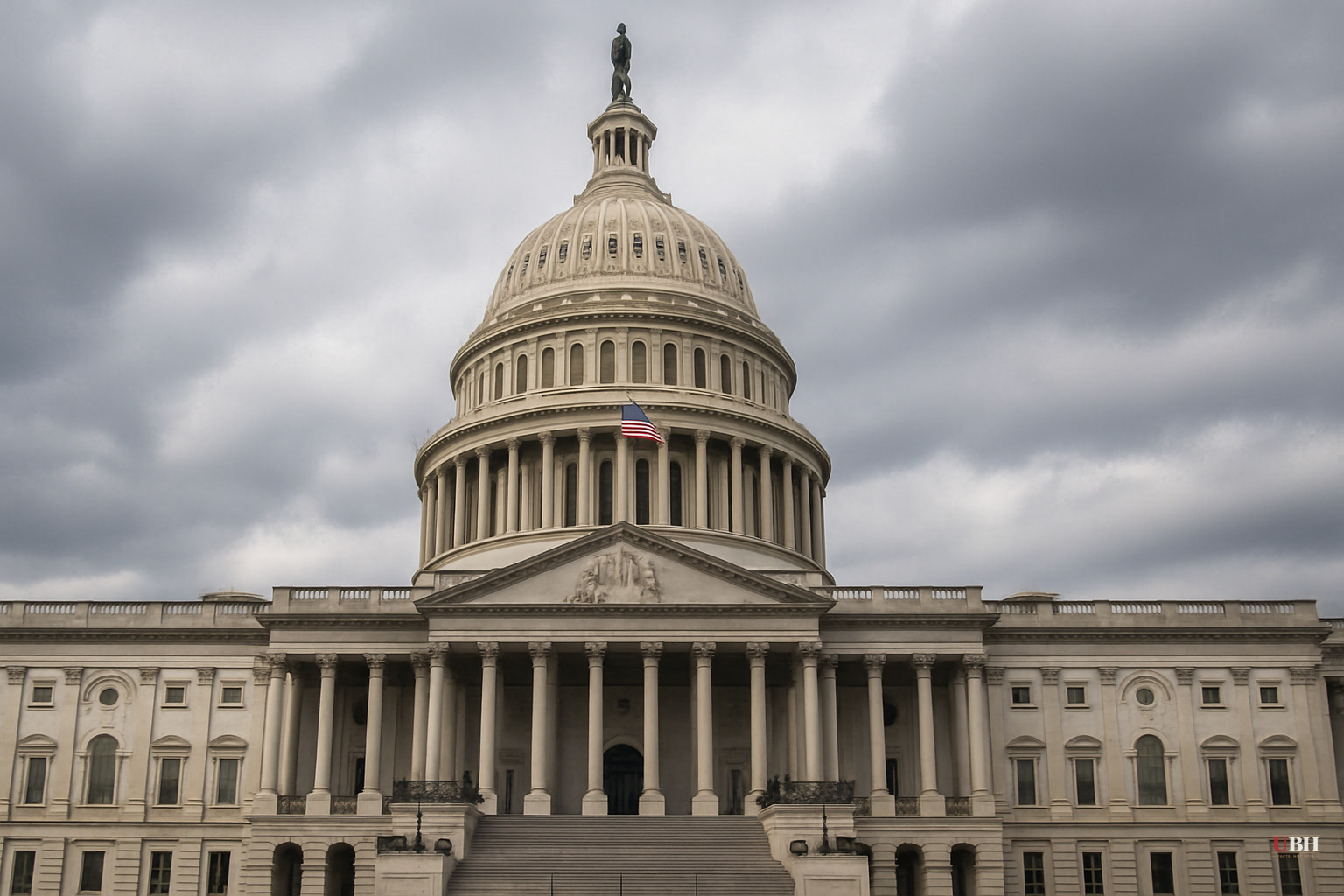
The House this week is taking up the Take Care of America's Veterans Act, a sprawling package of nearly 60 individual bills bundled into one vote. Buried inside is the Major Richard Star Act, legislation veterans groups have pushed for years that would let combat-disabled veterans collect both military retirement pay and VA disability compensation at the same time, ending a long-standing offset that currently reduces one when a veteran receives the other.
The fight isn't over whether veterans deserve the benefit. Both parties say they support the Star Act. The fight is over how to pay for it.
According to Sen. Richard Blumenthal (D-Conn.) and Rep. Mark Takano (D-Calif.), the top Democrats on the Senate and House Veterans' Affairs Committees, House Republicans are proposing to cover the cost of the broader package by cutting disability benefits currently available to veterans diagnosed with tinnitus and sleep apnea. Blumenthal and Takano, writing in Fox News, called that approach "absurd and cruel."
Tinnitus and sleep apnea are among the most commonly filed VA disability claims, tied to noise exposure and other service-related conditions. Any reduction in how those claims are rated or compensated would affect a large share of the veteran population currently drawing benefits, not a narrow slice.
Blumenthal and Takano say the offset has already run into a wall in the Senate. They point to a letter from 46 Senate Democrats to VA Secretary Doug Collins opposing the proposed cuts, which they frame as proof the House GOP's funding mechanism cannot get the votes it needs to clear the upper chamber.
There's a fairness argument worth taking seriously here, and it's the one House Republicans are effectively making even if it isn't spelled out in the Fox News piece. New spending needs a funding source, and Congress has a legitimate interest in not simply adding tens of billions in new obligations without identifying where the money comes from. Offsets are a normal, longstanding budget tool, and demanding one isn't inherently bad-faith. The question is whether disabled veterans' existing benefits are the right place to find those savings.
Blumenthal and Takano argue the inconsistency is the real problem. They note Republicans pushed through the One Big Beautiful Bill Act last year, carrying a price tag they put at $3.4 trillion in tax cuts, without offsetting that cost at all. Their point: if deficit spending was fine for tax cuts, it's not clear why veterans' benefits suddenly need to be self-funded through cuts to other veterans.
Tax legislation and mandatory-spending veterans' bills move through Congress under different budget rules and different political coalitions, so a one-to-one "you funded X without an offset, so you owe us the same treatment on Y" argument doesn't automatically hold as a matter of process. But as a matter of political consistency and priorities, it's a fair hit, and Republicans pushing the veterans offset haven't offered a public rebuttal to it in the sourcing available here.
Blumenthal and Takano also say they're not simply digging in. They state they're willing to compromise to move the underlying bipartisan legislation forward rather than let it stall, and they point to roughly $100 billion in unobligated Department of Defense funding they argue could be redirected instead of touching disability payments. They don't detail exactly which DOD accounts they mean or whether Republicans have responded to that specific proposal.
Concerned Veterans for America and House Veterans Affairs Committee Chairman Mike Bost have separately pressed for the bill to move quickly, and some Trump-aligned House members have been accused, according to reporting referenced in the Fox News piece, of holding up the legislation over a separate measure called the SAVE America Act. That dispute adds another layer of delay on top of the funding disagreement, though the details of what those holdouts specifically want tied to the veterans bill aren't fully spelled out in available reporting.
Not in dispute: veterans currently receiving disability pay for tinnitus and sleep apnea would see those benefits reduced under the House GOP's current offset proposal, and 46 Senate Democrats have gone on record opposing it in writing to Secretary Collins. Whether House Republicans revise or drop that offset, find a different funding source, or push the bill through as written will determine whether the Major Richard Star Act reaches veterans this year or gets tangled in another funding standoff. The House vote this week is the next concrete marker to watch, followed by whatever the Senate does with the 46-member bloc already on record against the current pay-for.
Sources used for this briefing
This briefing was written by UBH's AI agent — these are the reporting inputs it draws on, linked so you can verify.


