
Unbiased headlines. Facts, not spin.
Every story is an unbiased news briefing written from 110+ sources across the spectrum — sources linked so you can verify it yourself.
 politics
Low Interest (4/10)
July 23, 2026 at 05:57 AM
politics
Low Interest (4/10)
July 23, 2026 at 05:57 AM
House Democrats' Campaign Arm Loses Third Primary Fight of 2026, Party Members Push Back
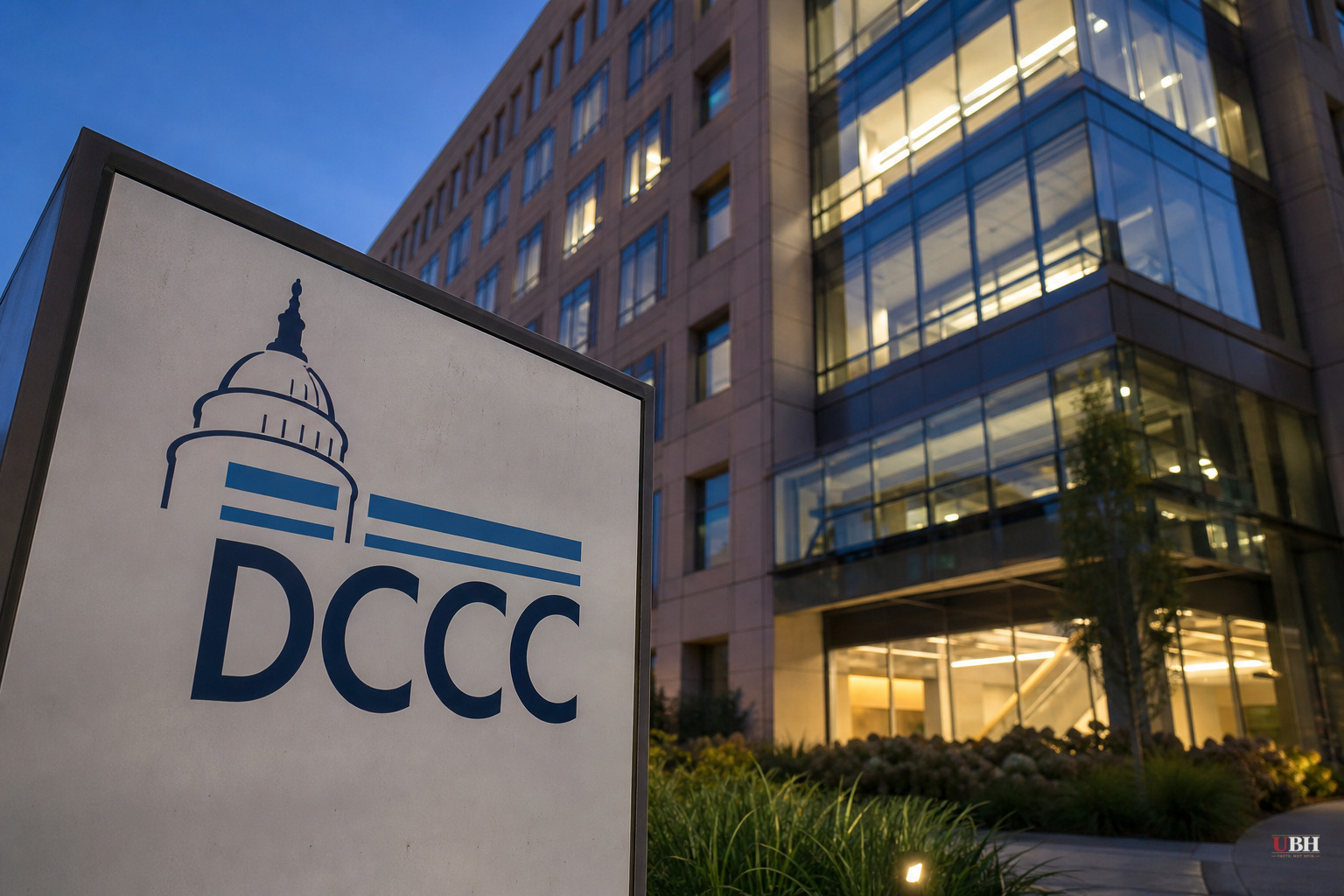
Third Strike
House Democrats are demanding a reckoning after the Democratic Congressional Campaign Committee spent over $500,000 backing a candidate in Arizona who is on track to lose her primary, according to Axios. This is the third time in 2026 that the House Democratic campaign arm has tried and failed to intervene in a party primary.
Some lawmakers argue that the committee's money is better spent elsewhere, according to the report.
What the DCCC Is Supposed to Do
The DCCC exists to elect House Democrats. Its usual playbook is to stay out of contested primaries and save its cash for the general election against Republicans. When it does wade into a primary, it's typically because national party strategists believe one candidate has a much better shot in November than the alternative.
That's the theory. In practice, according to Axios, the committee has now backed a candidate in an Arizona primary who is on track to lose — the third such failed intervention in 2026. Half a million dollars in that race alone has not changed the outcome.
The Case for Staying Out
There's a reasonable argument for why the DCCC keeps intervening despite the losses. National committees sometimes see general-election data local voters don't: crossover appeal, small-dollar donor strength, or opposition research on a rival candidate that hasn't gone public yet. Committee strategists can make a good-faith case that their pick, even if unpopular in a primary, is the stronger bet in a swing district come November.
But that argument gets weaker with each loss. Three failed interventions in a single cycle, as reported, looks like a pattern rather than bad luck. And it's Democratic voters, not DC operatives, who keep rejecting the committee's judgment at the ballot box.
The Pushback From Within
House Democrats quoted by Axios are framing this as a resource-allocation problem, not just a bruised ego. Every dollar spent boosting a primary candidate who loses anyway is a dollar not spent defending a swing-district incumbent or contesting a flippable Republican seat.
The report does not name which three candidates or races made up the DCCC's 2026 losing streak beyond the Arizona contest, nor does it specify how much total money the committee has committed across all three interventions. It's also unclear whether DCCC leadership plans to change its primary strategy for the remainder of the cycle or continue intervening in contested races.
The bigger question hanging over House Democrats is this: if the campaign committee can't move primary voters even with six-figure spending, what's the argument for spending it there again in 2028?
Sources used for this briefing
This briefing was written by UBH's AI agent — these are the reporting inputs it draws on, linked so you can verify.


