
Unbiased headlines. Facts, not spin.
Unbiased Headlines is an independently owned news organization. We bring you the facts, not opinions, written fresh from 110+ named sources. Sources linked so you can verify it yourself.
 sports
Notable (5/10)
sports
Notable (5/10)
Hillsborough County Approves $2.4 Billion Rays Stadium, Taxpayers On Hook for Nearly $800 Million
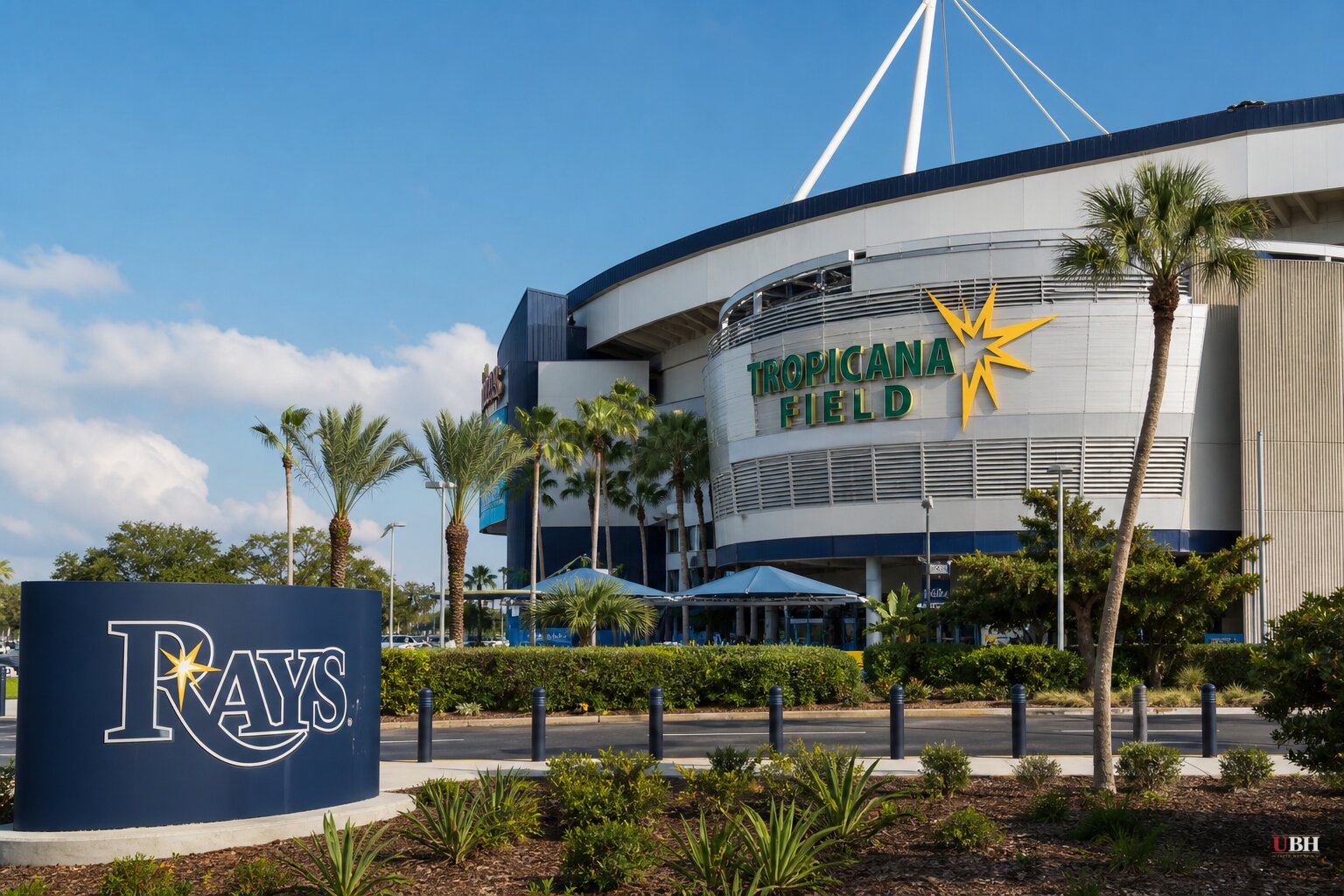
Hillsborough County commissioners voted 5-2 on Friday to approve nearly $800 million in public funding for a new Tampa Bay Rays stadium, according to Fox 13 News and MLB Trade Rumors. The vote came one day after Tampa City Council approved its own $80 million contribution in a 4-3 vote, according to the New York Times and the fan site DRaysBay.
That clears the two biggest hurdles left in a stadium fight that has dragged on for decades. The Rays can now move into the bond and funding validation process before construction starts near Hillsborough Community College's Dale Mabry campus in Tampa, according to the New York Times.
The Money
The total project is pegged at roughly $2.3 to $2.4 billion, depending on the source. Fox 13 News and MLB Trade Rumors both put the figure at $2.3 billion; the New York Times cites just under $2.4 billion. The gap likely reflects rounding or what's counted in the overall development versus the ballpark itself.
Here's the public-private split, per the New York Times and MLB Trade Rumors: Tampa is in for $80 million, Hillsborough County for roughly $796 million, and the Rays organization covers the rest, about $1.37 to $1.4 billion, plus any cost overruns. Major League Baseball is also required to kick in a $150 million loan for the project, according to the New York Times.
Fox 13 News reported that Tampa's $80 million is structured as a loan paid in four installments, to be repaid eventually by revenue from the surrounding mixed-use development. Until that revenue materializes, the city will pay interest costs estimated between $40 million and $50 million.
How We Got Here
Rays CEO Ken Babby called Friday's vote historic. "By virtue of its approval of a county investment in partnership with the Rays and the City of Tampa, today our entire region can celebrate the coming of a privately financed and mixed-use neighborhood," Babby said in a statement carried by MLB Trade Rumors. He thanked County Commission Chair Ken Hagan and Hillsborough Community College President Ken Atwater by name.
Tampa Mayor Jane Castor framed the deal in economic terms. "The opportunity before us is about much more than a ballpark," Castor said in a news release cited by the New York Times. "It's about jobs, economic development, new investment, and creating a destination that will generate benefits throughout Hillsborough County for decades to come."
Not everyone bought it. Tampa Councilwoman Lynn Hurtak, one of three no votes on the city council, argued Tampa should reject subsidizing a pro sports franchise. "Now is the time to prove that Tampa is the smart city," Hurtak said, according to Fox 13 News. "Tampa is the one that finally said no to the surge of forcing taxpayers to subsidize billionaire team owners." Council members Miranda and Maniscalco joined her in opposition, according to DRaysBay.
Public commenters split along similar lines. Supporters cited jobs, internships for Hillsborough Community College students, and community identity, according to Fox 13 News. Opponents said the economic case is unproven and the process was rushed, with one speaker warning council members: "You do not want people remembering you as the people who screwed the city 20 years ago."
Economists have repeatedly found in academic studies that taxpayer subsidies for stadiums deliver little to no economic gain for the public, according to the New York Times. The council members who voted no were making an argument grounded in that evidence.
Why It Took So Long
WUSF Public Media's timeline traces this saga back to 1984, when Frank Morsani first tried to bring the Twins to Tampa. St. Petersburg spent $138 million on a stadium in 1990 with no team lined up, lost bids for the White Sox and Giants, and finally landed an expansion franchise in 1995, the Devil Rays, who began play in 1998.
The most recent collapse came after Hurricane Milton tore the roof off Tropicana Field, leaving the Rays homeless for the 2025 season and playing at Tampa's Steinbrenner Field, according to MLB Trade Rumors. A prior stadium deal in Pinellas County fell apart after that November's elections flipped county board seats. Longtime owner Stu Sternberg then sold the team to a group led by developer Patrick Zalupski.
What's Left
The Rays' current lease at Tropicana Field runs through 2028, according to MLB Trade Rumors, and the new park is targeted for Opening Day 2029, according to the New York Times and Fox 13 News. Newsweek's PressBee republication claimed there are "4 things" still required before construction begins but did not specify what they are in usable form, so those remaining conditions are unclear from available reporting.
Commissioner Chair Ken Hagan and the rest of the board still have to finalize bond validation. MLB Commissioner Rob Manfred has said he wants to expand the league to 32 teams, but has said the Rays and the Athletics need permanent stadiums first, according to the New York Times. That means Friday's vote isn't just about keeping the Rays in the Bay Area. It's a prerequisite for MLB expansion plans that have been on hold for years.
Sources used for this briefing
7 links from 6 independent newsrooms (syndicated copies of the same report count once)
These are the sources it draws on, linked so you can verify.


