
Unbiased headlines. Facts, not spin.
Unbiased Headlines is an independently owned news organization. We bring you the facts, not opinions, written fresh from 110+ named sources. Sources linked so you can verify it yourself.
 tech
Low Interest (4/10)
Hikers Rescued on Mount Shasta Say Gemini Shaped Their Plan, but Rescue Counts Haven't Risen
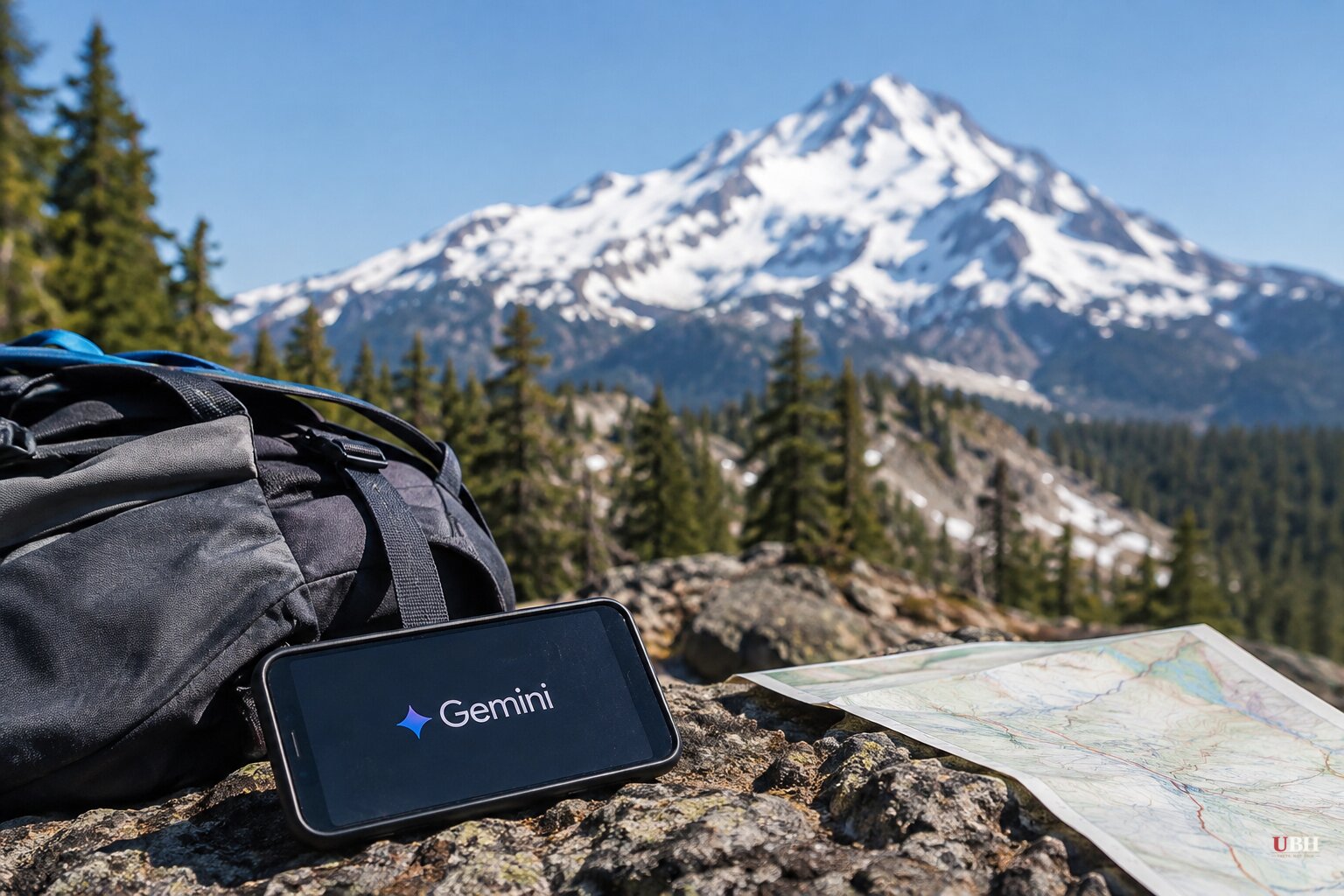
Over the past year, the share of Grand Teton National Park visitors who say they use AI for travel information has gone from zero to 26 percent, according to Park Superintendent Chip Jenkins. "I'm guessing that curve is not going to flatten," he said. The backcountry cases below are what that curve looks like when it goes wrong.
The Mount Shasta rescue
Three hikers called for help from a rocky face on Mount Shasta in Northern California after a string of bad calls, according to High Country News reporting. They didn't pack enough food. They overestimated their fitness. They didn't turn around in the late afternoon when they hadn't reached the top, and instead summited at 7:30 p.m. and came down in the dark.
By morning they were lost on a rough section of the mountain, and one had hurt his knee. They told rescuers that their poor planning came partly from relying on Google's Gemini chatbot.
Nick Meyers, the U.S. Forest Service program manager of the Mount Shasta Wilderness Climbing and Avalanche Center, whose center responded to the call, didn't pile on.
"We get plenty of people who come unprepared or don't do any research at all," Meyers said. "To these guys' credit, they did try. But I think they kind of turned their brains off."
Other cases
Meyers said his team has seen more. One visitor pitched a tent near a "No Camping" sign and insisted she was allowed because AI told her so. A man at a trailhead was wandering with an AI-generated map that put prominent features on the wrong side of a nearby mountain.
In British Columbia, a helicopter crew pulled a 16-year-old off a ledge on the Widowmaker Arete on the back of Crown Mountain. The teen had used Anthropic's Claude to help plan the trip. News stories fixating on that detail went viral in Canada and the U.S.
The teen later said he had also consulted Google Maps and the hiking app AllTrails. So the chatbot was one input among several, and nobody has established how much weight it carried in his decisions.
What the rescue numbers show
The numbers so far don't show an AI-driven spike. Meyers said his office, which oversees a huge wilderness area in Northern California, averages about a dozen rescues a year, and 2026 is shaping up as an average year.
In Wyoming, search and rescue calls are down. The state has logged 312 so far in 2026, compared with 466 in all of 2025 and 377 in 2024. That 2026 figure covers a partial year, set against two full ones. Even so, it points the wrong way for anyone predicting a flood.
Meyers said it remains to be seen whether rising AI use will translate into more backcountry accidents and rescues.
Same problem, new tool
Some search and rescue veterans see chatbots as the latest in a long line of tools that give people new ways to get into trouble. About a decade ago, hikers began pulling destinations and inspiration from Instagram and other social media, sometimes with deadly results. Before that, people were led astray by Google Maps or by trusting smartphone connectivity they didn't have.
Jim Moss, a Colorado recreation attorney and search and rescue volunteer, said media efforts over the past two decades have pushed more people outdoors. He said it remains unclear how questionable chatbot advice will affect them.
That is the strongest counterweight to the alarm: the pattern is familiar. A new information source arrives, some people treat it as gospel, and rescuers clean up. Whether chatbots are worse than a viral Instagram post or a bad phone map is a question nobody has answered with data.
What the cases have in common
In the Shasta case, the failures were ordinary. Not enough food. A pace that didn't match the route. No turnaround time. A chatbot can't carry water or check a watch. Every one of those decisions was made by a person standing on the mountain.
Chatbots also have a practical limit. They produce answers from text patterns, not a live read of snowpack, rockfall, water crossings or closures. A ranger station or a current trail report does. A map that puts landmarks on the wrong side of a mountain, as the trailhead hiker's did, is not a minor error.
The campsite episode is a different kind of problem. A posted sign says no camping. A chatbot's say-so doesn't override it.
What comes next
The open question is whether Jenkins's 26 percent turns into more calls to rescue crews. Meyers' office and Wyoming's search and rescue totals will show it. So far in 2026, neither has moved the wrong way.
Sources used for this briefing
7 links from 7 independent newsrooms (syndicated copies of the same report count once)
These are the sources it draws on, linked so you can verify.


