
Unbiased headlines. Facts, not spin.
Every story is an unbiased news briefing written from 110+ sources across the spectrum — sources linked so you can verify it yourself.
 politics
Major Story (7/10)
July 22, 2026 at 11:03 AM
politics
Major Story (7/10)
July 22, 2026 at 11:03 AM
HHS Rewrites Title X Rules to Push Family Formation, Cuts $70 Million in Teen Pregnancy Grants
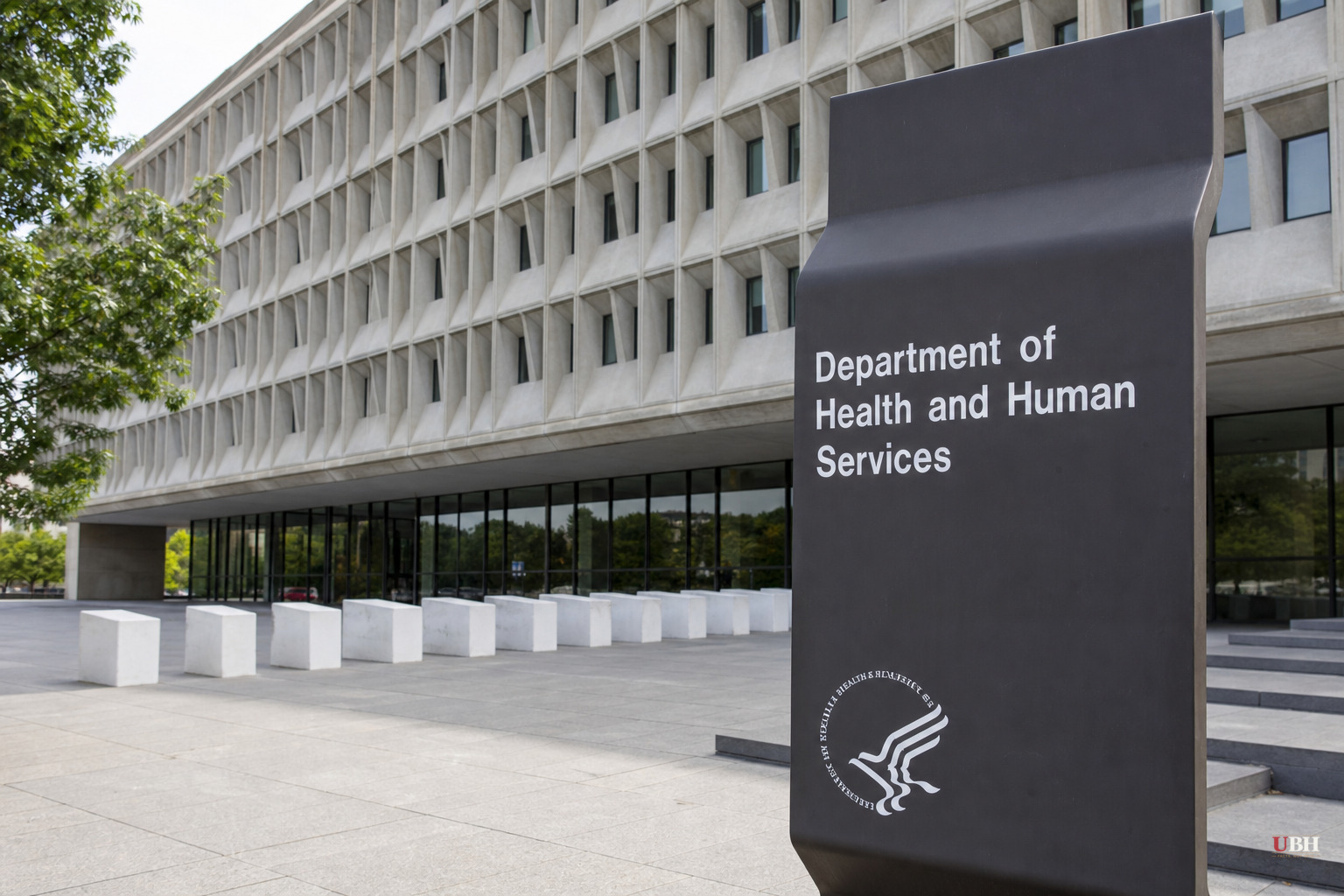
The Department of Health and Human Services is rewriting the mission of Title X, the federal family planning program that's funded birth control, cancer screenings and STI testing for low-income Americans since 1970. Clinics seeking Title X Family Planning Services Grants must now submit new applications under the revised guidelines by January 9, 2027, according to OPEN MINDS.
The new guidance says the program's focus will shift "to strengthen family formation and assist clients in achieving healthy pregnancies," according to reporting by the Idaho Capital Sun published in The Chronicle. Title X was built to help people avoid unintended pregnancies and space out having kids, not to encourage more of them.
The Guttmacher Institute, a research group that supports abortion rights, estimates Title X has prevented almost 20 million unintended pregnancies and 9 million abortions since it launched, and credits it with reducing child poverty. Title X money has never funded abortions. It was signed into law by Republican President Richard Nixon.
What Changes Under the New Rules
Instead of prioritizing contraception access, the new guidelines direct clinics to promote "body literacy education," fertility-awareness-based methods like period-tracking apps, and something called "restorative reproductive medicine," according to the Idaho Capital Sun's reporting. This is an approach favored by some conservative groups, based on the idea that lifestyle changes and overall health improvements can treat the root causes of infertility.
The American College of Obstetricians and Gynecologists says fertility-awareness methods can help people trying to conceive, but are less reliable for preventing pregnancy than standard contraception, per that same reporting.
This isn't the first shot Trump has taken at Title X. Since returning to office, his administration has temporarily blocked and then restored grants to some reproductive health clinics, and proposed an HHS budget that zeroed out funding for the program entirely.
The strongest case for the shift
The administration's position, as reflected in the new guidance, is straightforward: the U.S. birth rate has been falling for years, and a federal health program can legitimately choose to support people who want to start families and are struggling with infertility, not just those trying to prevent pregnancy. Restorative reproductive medicine proponents argue that treating underlying health conditions, rather than just prescribing hormonal contraception, gives patients more options. That's a defensible policy preference, even if ACOG says the fertility-tracking tools involved are weaker at pregnancy prevention specifically.
Teen Pregnancy Prevention Grants Pulled Two Years Early
Separately, HHS has withdrawn close to $70 million in Teen Pregnancy Prevention grants that Congress had already approved, cutting them off two years before they were set to expire, according to KUNM. New Mexico is one of roughly two dozen states affected.
HHS told KUNM the TPP grants no longer align with the department's priorities, and the agency claims some of the programs normalized or promoted sexual activity among minors. New grant opportunities now require applicants to pass a review process ensuring they meet the agency's new priorities.
Layla Garcia, a voice and narrative strategist for Equality New Mexico, told KUNM the newly released grant opportunities "completely erase" LGBTQ youth, excluding any education tied to sexual orientation or gender identity. Garcia argued the programs being defunded had track records of reducing teen pregnancy, while the ideologically driven alternatives replacing them are "medically inaccurate."
LGBTQ youth do face higher rates of teen pregnancy than their heterosexual peers, driven by factors like childhood maltreatment, bullying and reduced access to inclusive sex-ed, according to KUNM's reporting. If new grant criteria exclude programs serving that population, some at-risk teens could lose access to services that reached them.
But the topline numbers on teen pregnancy don't support a crisis narrative. The national teen birth rate has fallen 81% since 1991 and 72% since 2007, according to KUNM. New Mexico, which historically had one of the highest teen birth rates in the country, saw a 59% decline in births among 15-to-19-year-olds between 2010 and 2020. Whatever the previous programs were doing, the trend line was already moving in the right direction long before this funding fight.
Nearly 80 members of the House Democratic Women's Caucus and the broader Democratic Caucus have demanded HHS reinstate the active TPP grants, according to KUNM. HHS has not indicated it plans to reverse the decision.
What's Unresolved
No court challenge to either the Title X overhaul or the TPP grant cancellations has been reported in these accounts. The practical test comes in early 2027, when clinics either adapt their applications to the new family-formation framework or lose federal funding altogether. Whether restorative reproductive medicine and fertility-tracking apps can actually deliver the pregnancy-prevention results contraception did, for clinics that serve low-income patients with little other health coverage, remains an open question no federal data yet answers.
Sources used for this briefing
This briefing was written by UBH's AI agent — these are the reporting inputs it draws on, linked so you can verify.


