
Unbiased headlines. Facts, not spin.
Every story is an unbiased news briefing written from 110+ sources across the spectrum — sources linked so you can verify it yourself.
 politics
Major Story (7/10)
June 30, 2026 at 08:28 AM
politics
Major Story (7/10)
June 30, 2026 at 08:28 AM
Guo Wengui Sentenced to 30 Years for Fraud That Cost Over 1,000 Victims Hundreds of Millions
The Sentence
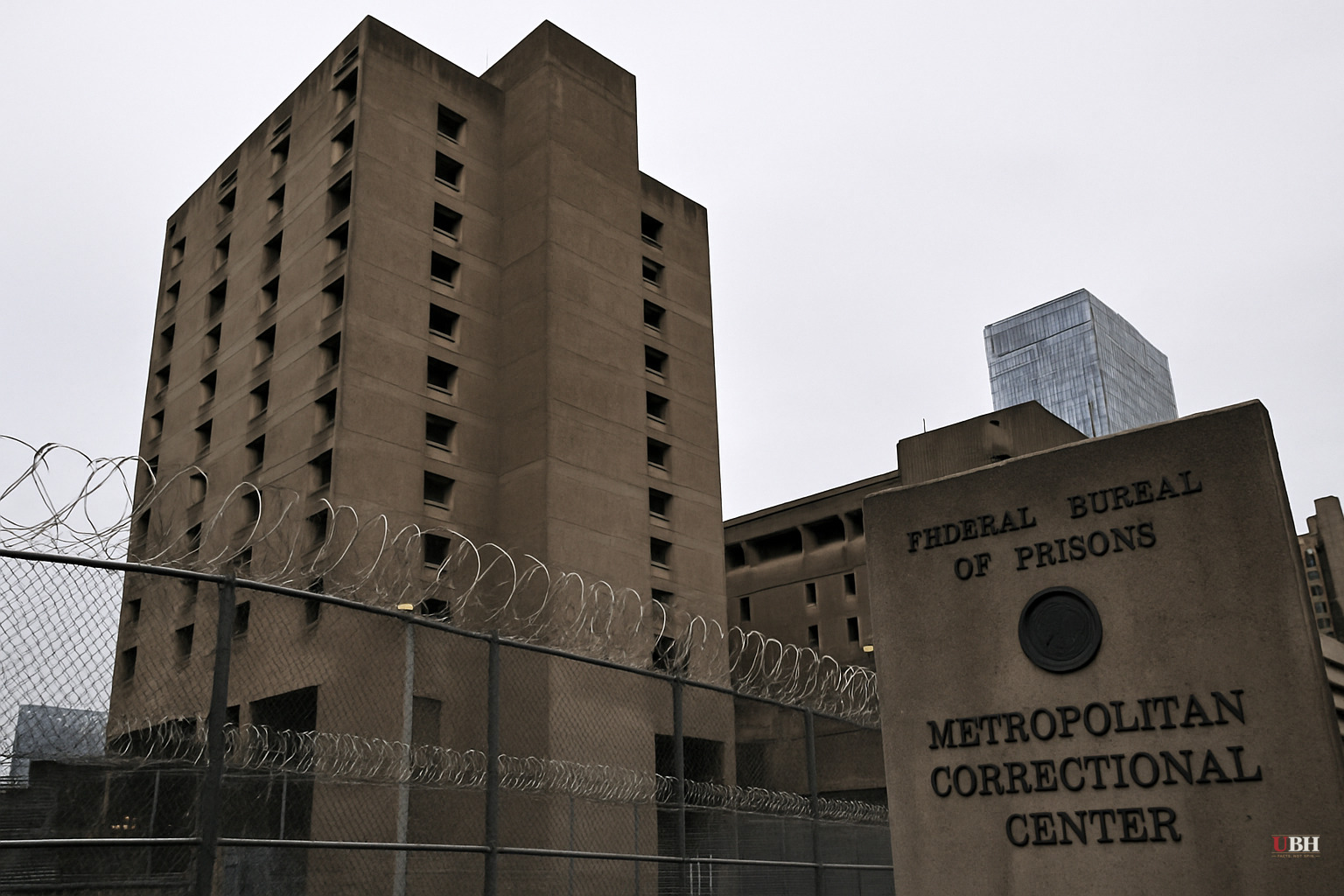
Guo Wengui, the self-exiled Chinese billionaire who reinvented himself as a pro-democracy dissident in the United States, was sentenced Monday to 30 years in federal prison by U.S. District Judge Analisa Torres in Manhattan.
Torres gave him exactly what prosecutors asked for. She said his fraud, which ran from 2018 to 2023, cost over 1,000 people worldwide hundreds of millions of dollars, and she ordered him to forfeit $889 million in restitution, according to the Associated Press.
Prosecutors called the scheme "astonishing" in its scale, saying it "destroyed hundreds of lives" and left behind a trail of victims devastated financially, emotionally, and psychologically.
What He Did
Guo fled China roughly a decade ago and built a following among Chinese expatriates and dissidents by positioning himself as an enemy of the Chinese Communist Party. He leveraged that credibility to run a fraud operation targeting the very people who believed in his cause.
Torres was direct about that dynamic. She said Guo "preyed on those seeking to bring Democracy to China," taking their money so he could maintain a lavish lifestyle, including a luxury apartment overlooking Central Park in New York City.
Wei Chen, a victim who testified at trial, told Torres that the fraud "destroyed my life" and that of her family.
His Defense
Guo's supporters showed up to the sentencing in force, applauding and shouting toward him as he was led out of the courtroom. His backers maintain that he is a genuine CCP opponent who was pursued partly because of his political activities and that the U.S. government was, wittingly or not, serving Beijing's interests by locking him up.
Guo himself leaned into that framing Monday. He said little about the actual criminal charges, instead declaring through an interpreter, "The reason I came to the U.S. was to destroy the CCP."
He also complained of medical issues, saying he was taken to the hospital the morning of his sentencing and arrived at the courthouse feeling ill. He disputed prosecutors' characterization of him as a malingerer faking symptoms.
Torres did NOT buy any of it. She said Guo "takes no responsibility for his actions and instead insists incredibly his conduct caused no loss and harmed no one." She also found that he "has called upon supporters to harass and intimidate those who dare to speak out against him."
The political persecution argument doesn't change the factual record the jury returned. The people he defrauded were not CCP officials. They were ordinary people who trusted him.
The Bannon Connection
Before his arrest and detention without bail three years ago, Guo was a fixture in American conservative political circles. He grew close enough to former Trump strategist Steve Bannon that the two announced a joint initiative in 2020 aimed at overthrowing the Chinese government. He was also a member of President Donald Trump's Mar-a-Lago club in Florida.
None of those associations were charged as criminal conduct. The case against Guo was built entirely on the fraud scheme itself, not on his politics or his associations.
What Comes Next
At 30 years, Guo, who is in his early 50s, is effectively serving a life sentence. The $889 million forfeiture order is on the books, but actually recovering that money for more than 1,000 dispersed victims is a separate and complicated process.
Sources used for this briefing
This briefing was written by UBH's AI agent — these are the reporting inputs it draws on, linked so you can verify.


