
Unbiased headlines. Facts, not spin.
Every story is an unbiased news briefing written from 110+ sources across the spectrum — sources linked so you can verify it yourself.
 politics
Notable (5/10)
August 1, 2026 at 03:31 AM
politics
Notable (5/10)
August 1, 2026 at 03:31 AM
Group Tied to China Paid for US Journalists' Trips, Tracked How Their Views Changed
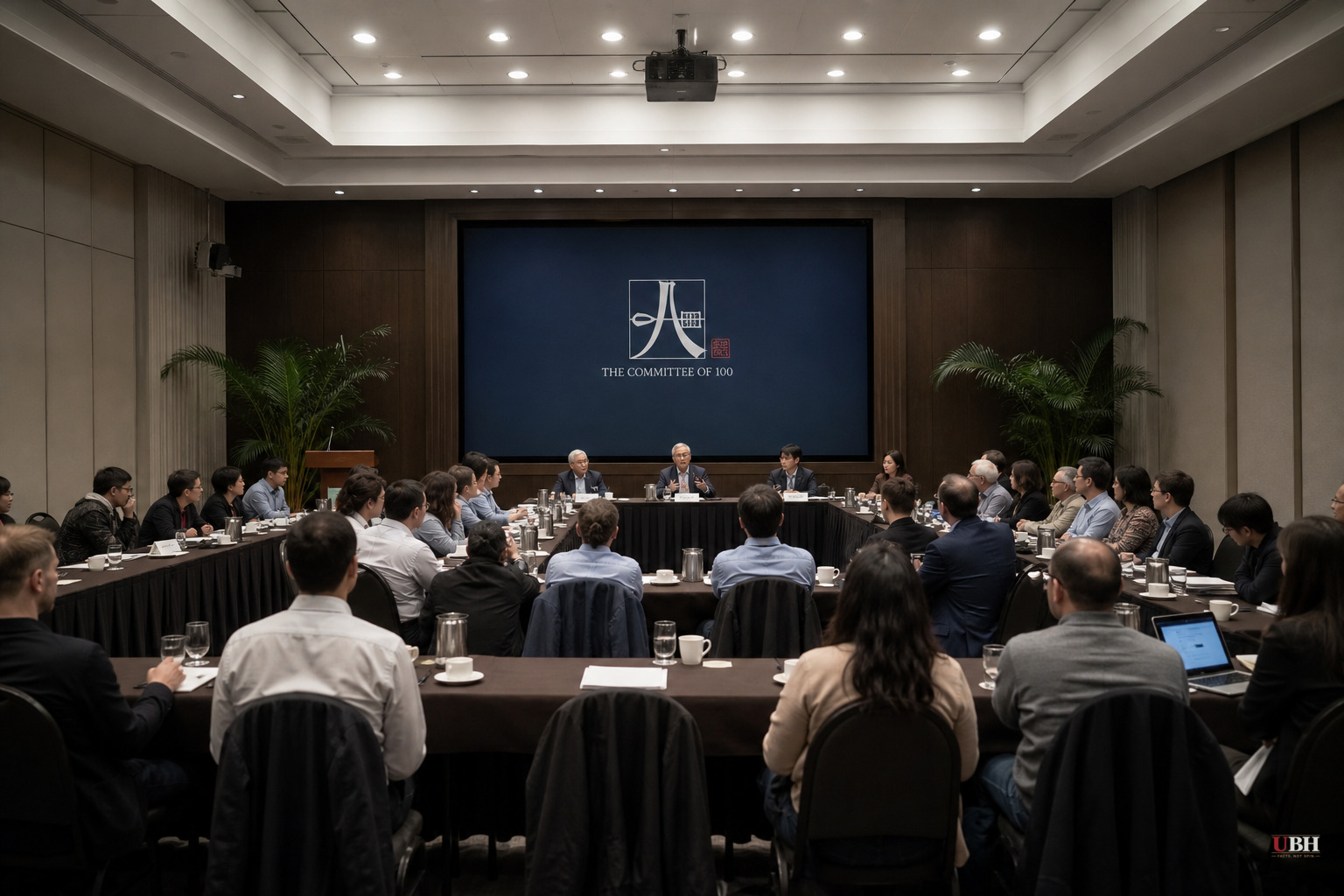
A review of internal documents from the Committee of 100, a nonprofit group focused on U.S.-China relations, has revived questions about a long-running program that paid for senior American journalists to travel to China and then tracked how the trips changed their thinking.
The review, published on Substack July 28 by journalist Natalie Winters, examined records posted on the Committee of 100's own website, according to reporting by Arthur Zhang for The Epoch Times, republished by ZeroHedge. Winters called the multiyear journalist delegation program a "propaganda pipeline."
The Committee of 100, known as C100, confirmed the core facts to The Epoch Times. The group said it covered travel costs, selected which journalists participated, built their itineraries, and chose who they met with in China. C100 pushed back hard on the "pay-for-play" label, telling The Epoch Times that no coverage was exchanged for the trips and that participants kept their editorial independence throughout.
What the documents show
One internal report, marked "Internal Use" and dated 2012, put the cost of a nine-day trip for five journalists at roughly $60,000, according to The Epoch Times. That works out to about $12,000 per journalist for a nine-day trip covering lodging, meals, transportation, sightseeing, and roughly 20 arranged meetings with Chinese officials, academics, media figures, students, and business executives.
The five journalists on that 2012 trip represented The New York Times, The Atlantic, the Financial Times, Foreign Affairs, and WNYC. According to the C100 website, the group traveled through Beijing, Shanghai, and Hangzhou from Nov. 25 through Dec. 3, 2012.
The report itself stated the program's goal plainly: improve perceptions of China among the participants and encourage them to share what they learned with professional peers back home, according to The Epoch Times' review of the document.
The report didn't just track logistics. It recorded specific changes in the journalists' stated views and professional plans.
Winnie O'Kelley, who was deputy business editor at The New York Times at the time, told the group she'd return with several new story ideas and planned to "shape my staff across Asia in some different ways," according to the internal report cited by The Epoch Times.
The fair question, and the fair defense
A foreign-relations nonprofit hand-picked journalists, paid all their expenses, controlled their entire schedule and who they talked to, and then wrote down how their opinions shifted as a result. That structure raises questions about whether this was a neutral fact-finding trip or an influence operation by design, whether or not any story was ever explicitly traded for a plane ticket.
Sponsored trips like this exist across journalism, funded by all kinds of governments, corporations, and advocacy groups. Most newsrooms have disclosure policies requiring reporters to flag when a third party paid for travel. Whether that disclosure happened consistently here isn't established in the available record.
C100 says outright that no coverage was traded for the trips and that journalists retained full editorial control over what they wrote afterward. Attending a curated trip and having your thinking influenced by direct exposure to a country isn't automatically corrupt. That's arguably the point of a reporting trip. Journalists go to war zones, disaster sites, and foreign capitals paid for by all sorts of sponsors, and informed opinions can shift from firsthand exposure without anyone being compromised.
The distinction that matters is whether C100 designed the program to produce favorable coverage of China as a strategic goal, versus simply offering access that journalists were free to interpret critically. The internal document's stated goal, "improve perceptions," leans toward the former. But intent documented in a planning memo isn't the same as proof that coverage was actually altered improperly, and no evidence in the available reporting shows editors spiking critical stories or reporters suppressing findings because of the trip.
What's unproven
No investigation has been announced into C100 over this program. No news organization named in the report, including The New York Times, The Atlantic, the Financial Times, Foreign Affairs, or WNYC, has been shown in this reporting to have issued a statement responding to the specific 2012 trip or its internal tracking of participants' shifted views.
It's also not established in the available record whether these outlets disclosed the sponsored trips to readers at the time, whether their internal ethics policies required such disclosure, or how many similar trips ran in other years beyond the one 2012 delegation detailed in the document.
Winters' Substack piece and The Epoch Times' follow-up both draw on documents C100 itself posted publicly, meaning the group didn't try to hide the program's existence or its stated goals. Whether that transparency about intent should count in C100's favor, or make the "improve perceptions" language more damning, is the open question this story leaves unresolved.
C100 has not, according to available reporting, released a full list of every journalist and outlet that participated in the program beyond the 2012 cohort, leaving the program's total scale and reach through today unclear.
Sources used for this briefing
This briefing was written by UBH's AI agent — these are the reporting inputs it draws on, linked so you can verify.


